2026-09-03
Deep Cheek Sagging Thread Lift: Why You Need to Look at the Structure First, Not Just Cheek Fat
Deep cheek sagging is often more than just excess cheek fat; it's frequently caused by weakened deep structural support. This article explains why analyzing the underlying facial structure is crucial for effective and natural-looking thread lift results.
※ This article is intended to provide medical information.
It is not subject to deliberation under Article 56, Paragraph 2 and Article 57 of the Medical Service Act, and is not an advertisement unrelated to the deliberation content.
Hello,
I am Dr. Junggeun Park,
Director of Faceplus Plastic Surgery Clinic.

Why deep cheek sagging shouldn't be seen as just a cheek fat issue
Many people who come for consultations about deep cheek sagging
say, ‘I think it's because I have a lot of cheek fat.’

Of course, there are cases where the subcutaneous fat is thick.
However, in reality, it's often not just a matter of the amount of cheek fat,
but rather the weakening of the deep layer's supporting structure.
The face's shape is not maintained by the skin alone;
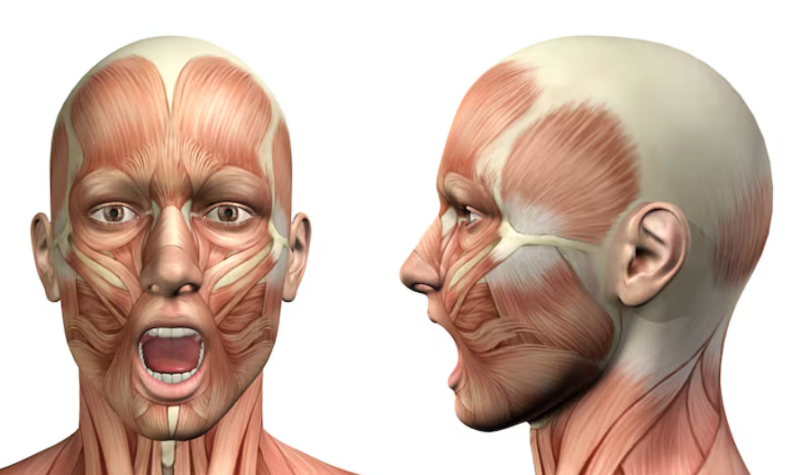
ligaments, fascia, and fat layers work in balance to support it.
If this supporting power decreases, the structures move downwards.
On the surface, it may look like sagging skin,
but often, changes in the internal structure begin first.
Therefore, an approach that only addresses the visible outer areas
has limitations.
Why is it important to analyze the structure first?
The deep cheek is connected to a relatively deep fat layer.
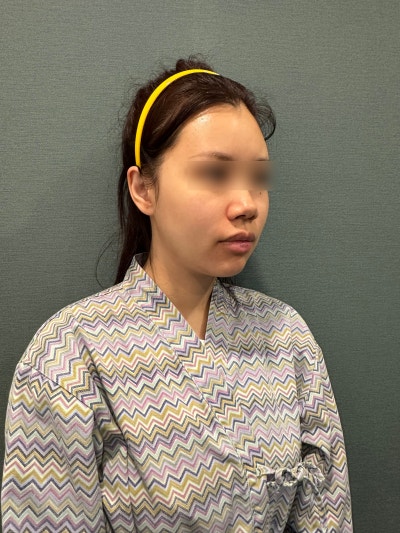
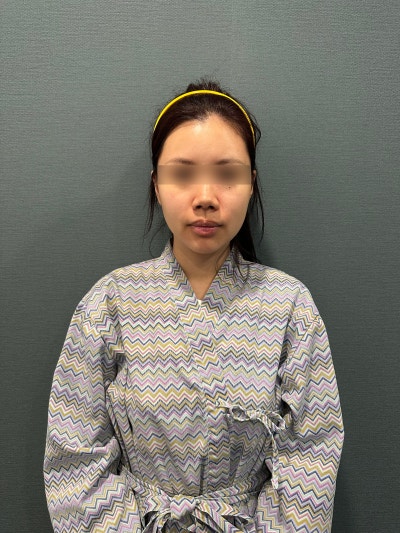
If this area moves downwards, the jawline can become blurred,
and the area around the mouth may appear heavy.
Simply pulling the skin or reducing cheek fat
makes fundamental improvement difficult.
When considering a lift, it's essential to plan which direction
and to what depth the support will be applied.


It's not just about pulling strongly upwards,
but the concept of returning the descended structure to its original position
is important.
If the overall balance of the face is not considered, only specific areas
might be excessively emphasized.
Therefore, during the consultation, it's necessary to understand where the starting point of the current sagging is.
When thread lifting can be helpful
Thread lifting is a method that physically supports and lifts
sagging tissues.
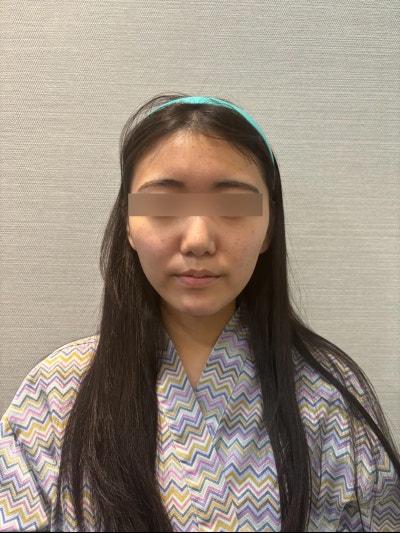

However, it is not equally applicable to all deep cheek problems.
The approach varies depending on skin elasticity, fat thickness, age, and previous treatment history.
If pulled excessively without sufficient support,
the surface can appear unnatural.
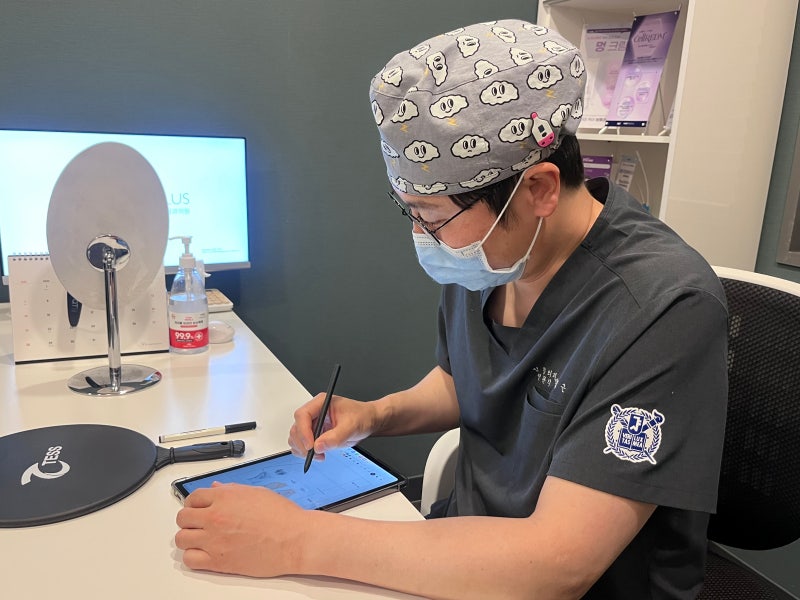
Conversely, if fixed at an appropriate depth, the jawline can be refined,
and the heaviness around the mouth can be alleviated.
The key is not to lift excessively, but to restore naturally.
Simple procedures that do not consider the structure can actually
disrupt the balance.
Criteria for natural results
The most important criterion when improving deep cheek sagging is
not ‘making the face look smaller’ but
‘re-aligning the center of gravity.’
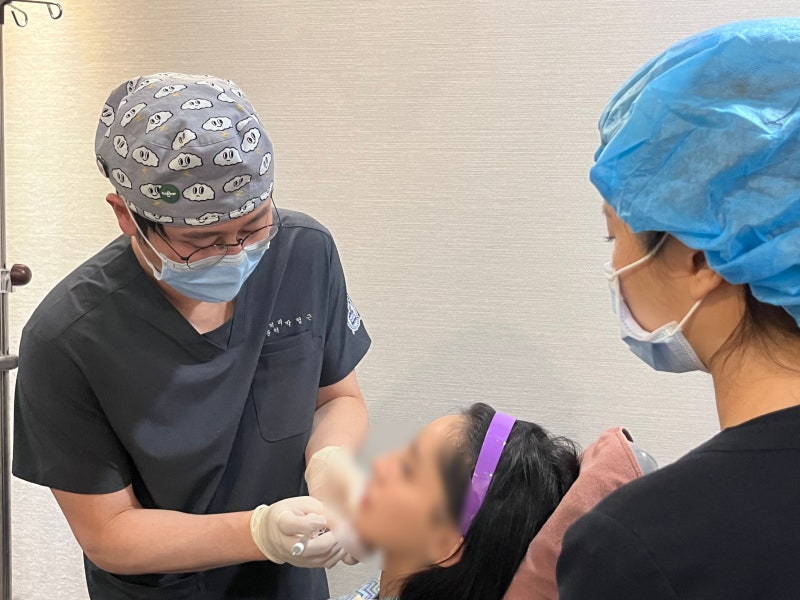
Even if the cheeks appear full, the actual cause may be the movement of deeper layers.
Lifting is a process of realigning not just the skin surface, but also the internal support structures.
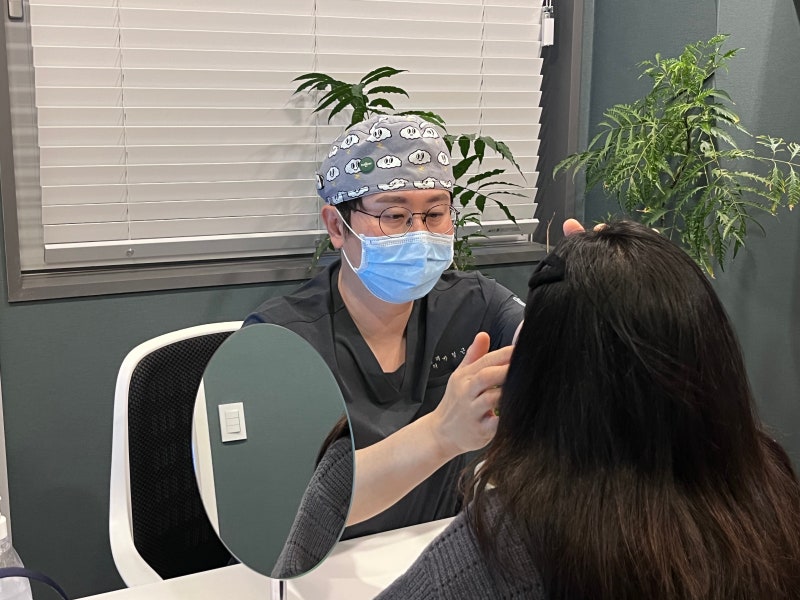
Before the procedure, the overall facial proportions must be evaluated together.
Excessive correction can lead to an unnatural appearance.
I always tell my patients:
It's not just about pulling; it's about understanding the current structure and then planning accordingly.

Approaching it this way allows for natural and stable results.
Thank you for reading this long article today. ^^
-Operating Hours-
Weekdays 9:00 ~ 18:00 Saturdays 9:00 ~ 16:00 Public Holidays / Sundays Regular closure |
-Contact Us-
Faceplus Plastic Surgery Clinic | ||
Consultation Phone: 02-541-8500 Inquiries: KakaoTalk Inquiry |
-Directions-
Deep Cheek Sagging Thread Lift
Frequently Asked Questions
What is the main cause of deep cheek sagging?
Deep cheek sagging is not simply a problem caused by having a lot of cheek fat. In reality, it is often primarily caused by the weakening of supporting structures in the deep layers of the face, such as ligaments, fascia, and fat layers. When this support weakens, the facial tissues move downwards.
Why is structural analysis important for improving deep cheek sagging?
Yes, structural analysis is very important. The deep cheek is connected to a deep fat layer, and if this area shifts, the jawline can become blurred and the area around the mouth may appear heavy. Since simply pulling the skin or reducing cheek fat makes fundamental improvement difficult, it is crucial to plan which direction and to what depth the support will be applied.
Is thread lifting effective for all cases of deep cheek sagging?
No, it is not equally applicable to all deep cheek problems. Thread lifting is a method that physically supports and lifts sagging tissues, but the approach can vary depending on skin elasticity, fat thickness, age, and previous treatment history.
What are the criteria for natural results in deep cheek thread lifting?
The important criterion for improving deep cheek sagging is not ‘making the face look smaller’ but ‘re-aligning the center of gravity.’ Rather than simply pulling strongly upwards, restoring the descended structure to its original position and rebalancing the entire face creates natural results.
What should be considered before a thread lift procedure?
Before a thread lift procedure, the overall facial proportions must be evaluated. It is important to comprehensively consider skin elasticity, fat thickness, age, and previous treatment history to create a personalized plan, as excessive correction can lead to an unnatural appearance.