2026-09-03
A Comprehensive Guide to Thread Lift Types: Effects, Duration, and Differences Explained by the Director
Dr. Park Jung-geun of Face Plus Plastic Surgery Clinic explains the various types of thread lifts, including Silhouette Soft and Mint Thread, detailing their effects, duration, and key differences. He emphasizes the importance of personalized assessment over generic information for optimal, natural-looking results.

※ This article is intended to provide medical information.
It is not subject to review under Article 56, Paragraph 2 and Article 57 of the Medical Service Act,
and is not an advertisement unrelated to the content of the review.
Hello,
I am Park Jung-geun,
Director of Face Plus Plastic Surgery Clinic.
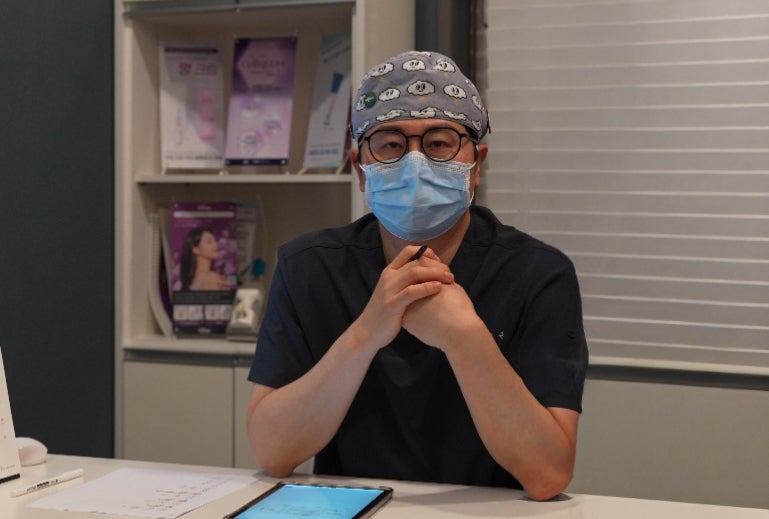
During consultations in the examination room,
There are so many types of thread lifts, I don't know what the differences are.
is a comment I often hear.
If you search online, information about thread names, duration, and effects is easily found, but
it's often difficult to grasp how that explanation applies to one's own face.
That's why when I explain thread lifts, rather than just listing the types,
I first discuss how to interpret the condition of one's face.
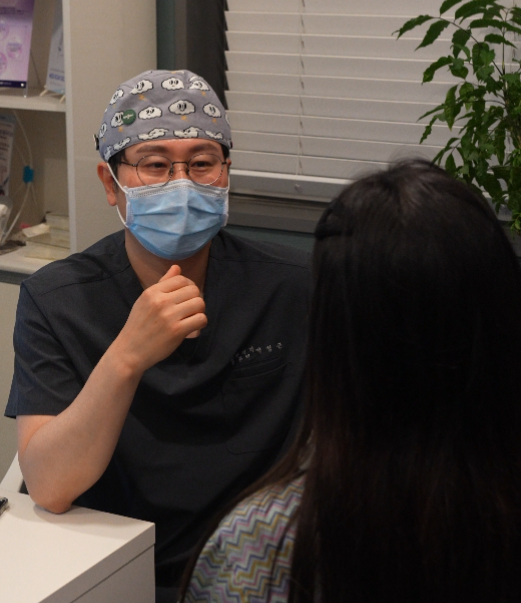
Since skin thickness, elasticity, degree of volume displacement, and facial expressions when smiling all differ,
the results can vary even when using the same thread.
Ultimately, what's important is not which thread is better, but
a judgment about what role is needed for the current facial condition.
Without this criterion, discussing duration or effects can become meaningless.
They perform different roles, not just different threads.
One of the well-known threads is Silhouette Soft.
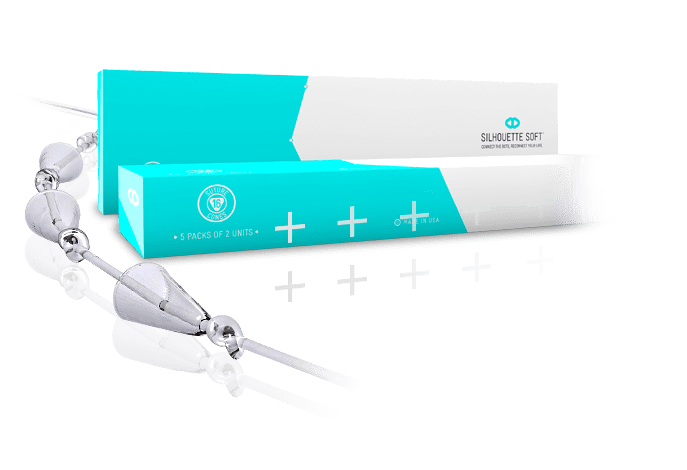
This thread is characterized by a relatively soft fixation method, so it is often applied to individuals who have maintained a certain degree of skin elasticity
and do not wish to significantly alter their impression.
The pulling force is not excessively concentrated at one point, often giving a natural and smoothly refined appearance.
On the other hand, for faces where sagging is already quite advanced, it may be difficult to achieve the desired change with this thread alone.
Next, Mint Thread is frequently mentioned.
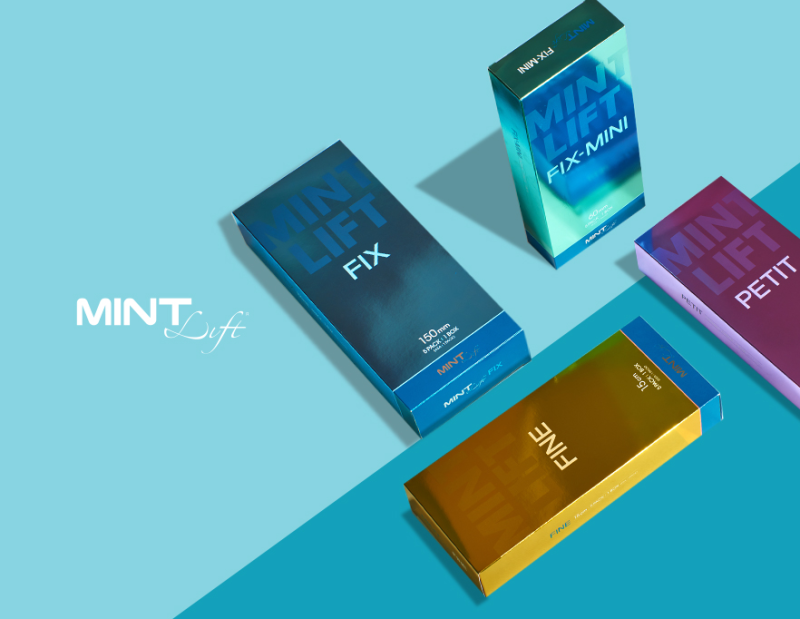
Structurally, its fixation is relatively distinct, so it is often chosen when the facial contour feels significantly collapsed
or when a clear pulling effect is desired.
However, if applied without a thorough analysis of the facial condition,
it can appear excessive, so it is crucial to carefully adjust the direction and depth of the force during the planning stage.
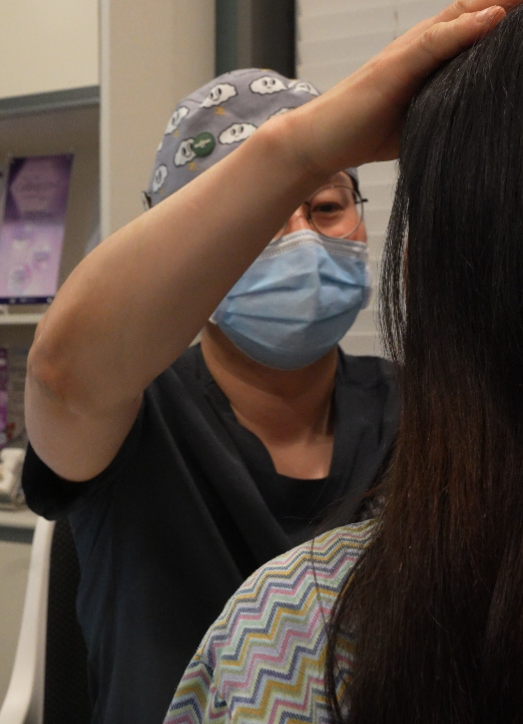
The reason why the results feel different even when using the same thread
is mostly due to differences in these design criteria.
Category | Silhouette Soft | Mint Thread |
Fixation Characteristic | Relatively soft fixation | Relatively distinct fixation |
Impression of Change | Natural and gradual refinement | Clear and defined change |
Mainly Considered For | Cases where elasticity loss is not significant | Cases where contour sagging is felt |
Key in Design | Balance of pulling direction | Depth/direction adjustment |
Caution Point | Limitations in severe sagging cases | Excessive use can alter impression |
The key is to do it appropriately, not excessively.
In summary, when choosing thread lift types,
judging solely by duration or effects is not sufficient.
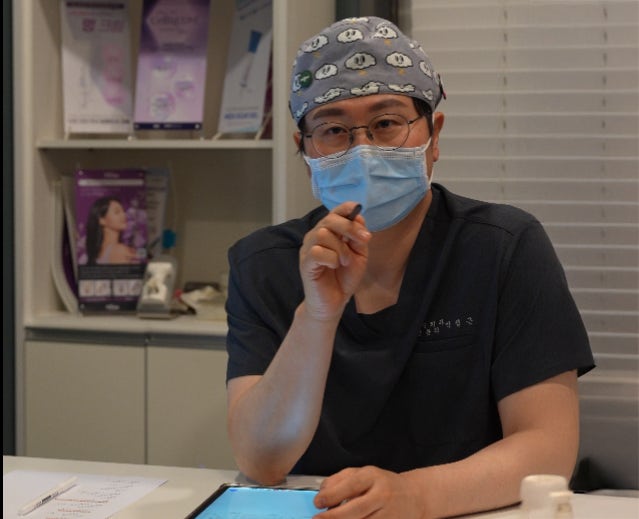
For some, a relatively simple approach can stably refine their impression,
while for others, a three-dimensional design considering the overall facial structure may be necessary.
What's important is not the name or number of the thread,
but accurately assessing the current condition of the face.
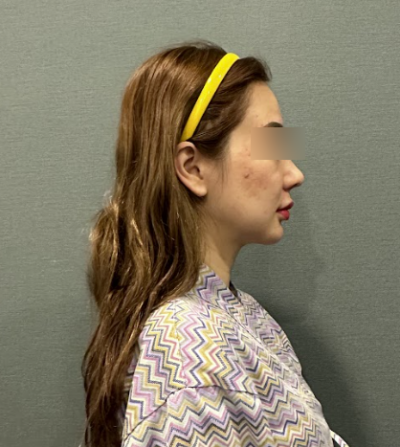
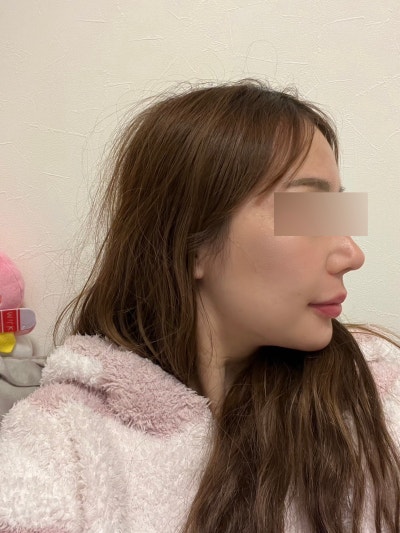
Therefore, in the initial consultation, after thoroughly examining the facial condition,
I first determine what direction is needed.
I consider it important that this judgment does not change during the actual procedure
and continues to be applied with the same criteria for subsequent aftercare.
This is because planning based on points where meaningful changes are possible for the current face
also ensures stable maintenance of the results.
I hope this article has somewhat answered your questions.
Thank you for reading this long article^^
-Operating Hours-
Weekdays 9:00 ~ 18:00 Saturdays 9:00 ~ 16:00 Public Holidays / Sundays Regular closure |
-Contact Us-
Face Plus Plastic Surgery Clinic | ||
Consultation Phone: 02-541-8500 Inquiries: KakaoTalk Inquiry |
-Directions-
Frequently Asked Questions
There are so many types of thread lifts; what criteria should I use to choose?
When choosing thread lift types, it's important to accurately analyze the individual's facial condition, including skin thickness, elasticity, degree of volume displacement, and facial expressions, to identify the necessary role, rather than simply judging by the thread's name, duration, or effects.
When is Silhouette Soft suitable?
Silhouette Soft is characterized by a relatively soft fixation method. It is primarily applied to individuals who have maintained a certain degree of skin elasticity and do not wish to significantly alter their impression, for natural changes.
What are the characteristics of Mint Thread, and who is it recommended for?
Mint Thread has a relatively distinct structural fixation. It is primarily chosen when the facial contour feels significantly collapsed or when a clear pulling effect is desired. However, if applied without a thorough analysis of the facial condition, it can appear excessive, so careful adjustment during the planning stage is crucial.
Why do results feel different even when using the same thread?
The reason why results feel different even when using the same thread is mostly due to differences in the thread lift design criteria. Accurate analysis of the individual's facial condition and delicate design, including adjusting the direction and depth of the force accordingly, are important.
What is the core of a thread lift procedure?
The core of a thread lift procedure is not about which thread is better, but an accurate judgment about what role is needed for the current facial condition. It is important to proceed appropriately, not excessively, according to the individual's facial condition, which contributes to the stable maintenance of results.