2026-09-03
Seoul Facial Wrinkle Lifting: What's the Secret to Looking Younger Than Your Age?
Discover the secrets to looking younger with Seoul facial wrinkle lifting. This article explains why wrinkles form, when to consider lifting, different types of procedures, and how to achieve satisfying results.
※ This article is for the purpose of providing medical information.
It is not subject to review under Articles 56(2) and 57 of the Medical Act,
and we inform you that it is not an advertising post unrelated to the review content.
Hello,
I am Dr. Jung-Geun Park,
Director of Face Plus Plastic Surgery Clinic.
One of the first changes we notice when looking in the mirror
is facial wrinkles and decreased elasticity.
If your skin has sagged and your facial contours have blurred more than before,
you might find it difficult to achieve satisfactory changes with just skincare.
For this reason, more and more people are becoming interested in
Seoul facial wrinkle lifting.
However, even with the same lifting procedure, the approach can vary
depending on skin condition and the cause of aging.
Today, we will delve into useful information for those
considering Seoul facial wrinkle lifting.
Table of Contents | ||
1. Why do facial wrinkles appear? 2. When is the right time for facial wrinkle lifting? 3. Why do different lifting types have different effects? 4. What to check to increase satisfaction |
1. Why do facial wrinkles appear?
Facial wrinkles don't just appear due to age.
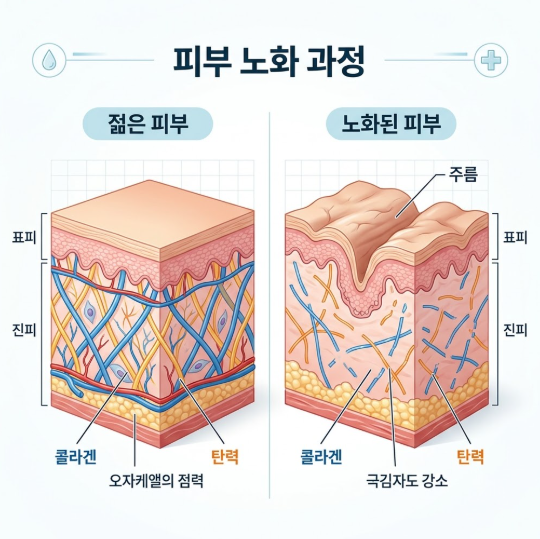
A combination of decreased collagen and elastin, reduced skin elasticity,
changes in the fat layer, and repetitive facial expressions gradually leads to the collapse of facial contours.
When combined with sun exposure and lifestyle habits, the skin loses elasticity even more easily.
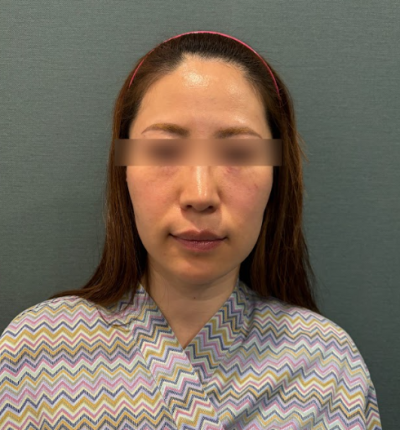
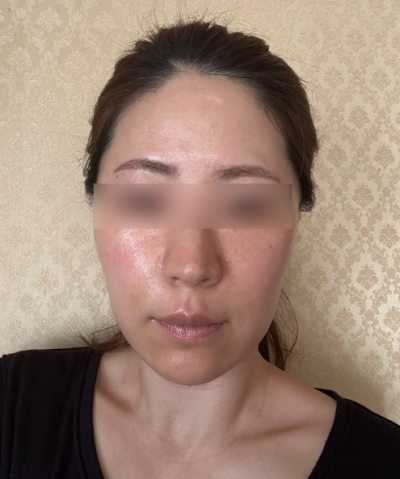
In particular, if your jawline blurs and nasolabial folds or cheek sagging
become noticeable, it could be a sign that aging is progressing.
To improve these changes, more and more people are considering
Seoul facial wrinkle lifting, and it's crucial to accurately assess your current skin condition first.
2. When is the right time for facial wrinkle lifting?
Many people think that lifting is a procedure only for deep wrinkles.
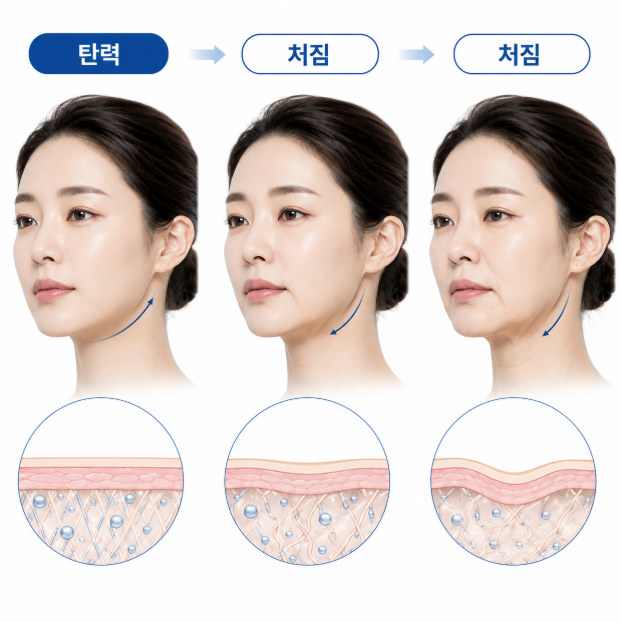
However, in reality, many people consider consultation from the moment
their facial contours appear to be sagging or skin elasticity begins to decrease.
Since there are relatively various methods for initial elasticity loss, it's important to create a plan that suits your current condition.
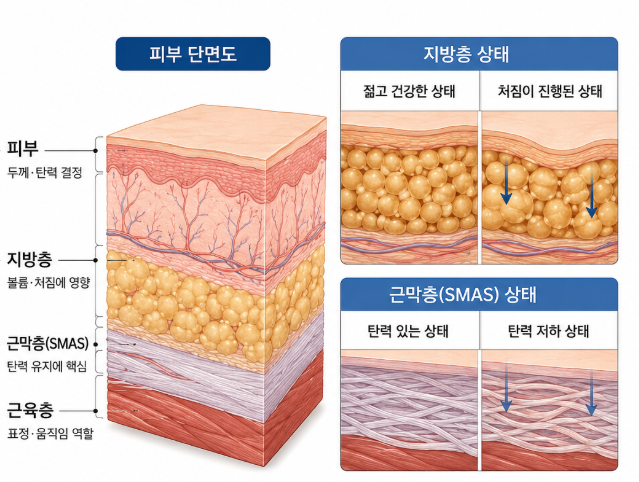
Conversely, if sagging has progressed significantly, it's necessary to consider
skin thickness, fat layer, and SMAS layer condition together to determine the most suitable method.
Therefore, for Seoul facial wrinkle lifting, it's more helpful to approach it based on the current aging pattern of the face rather than age.
3. Why do different lifting types have different effects?
There are various methods for facial wrinkle lifting.
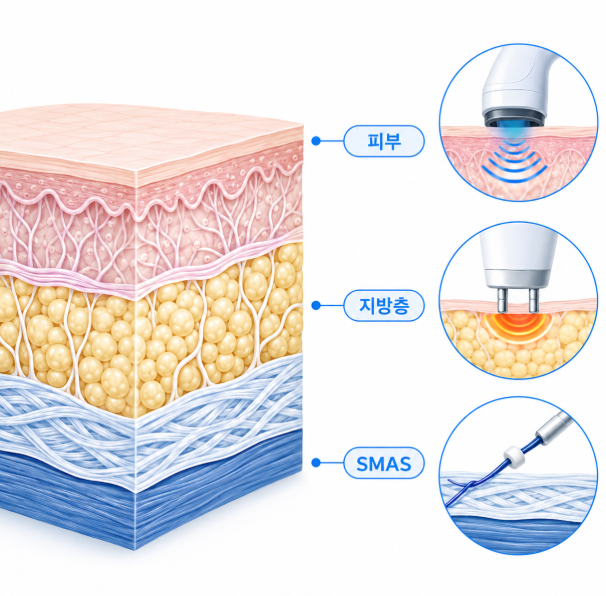
Methods using ultrasound, radiofrequency, or threads can each have different
depths of action and characteristics.
Therefore, it's difficult to expect the same results for everyone just because it was recommended by someone else.
The appropriate method can also vary depending on whether the skin is thin, if there's a lot of fat, or which layer the sagging originated from.
When planning Seoul facial wrinkle lifting, it's important to consider your facial structure and the causes of aging together, rather than focusing solely on a specific device.
Also, rather than combining multiple procedures excessively, planning within the necessary scope can help achieve natural results.
4. What to check to increase satisfaction
Lifting is not simply about pulling the skin tightly.
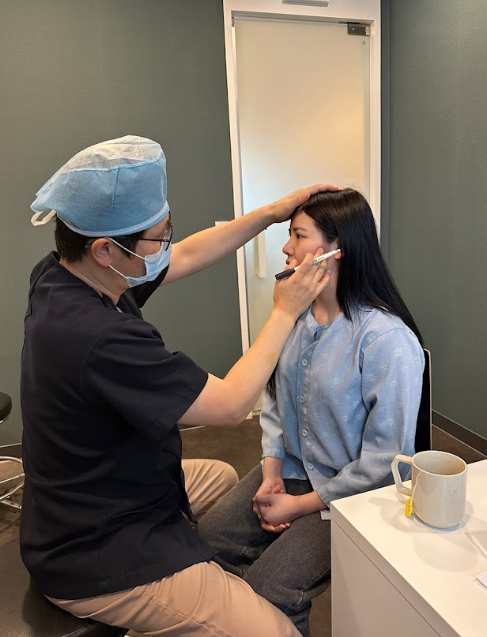
It's important to appropriately improve the necessary areas while considering
the overall balance and natural contours of the face.
Before the procedure, it may be necessary to check not only skin elasticity but also the fat layer, bone structure, and facial proportions.

Furthermore, after the procedure, sun protection, sufficient moisturizing,
and care to reduce skin irritation can aid in the recovery process.
Above all, accurately diagnosing your skin condition and creating a personalized plan is key to increasing satisfaction.
Since each individual's skin condition and degree of aging are different, it's important to choose the appropriate method through thorough consultation.
-Operating Hours-
Weekdays 9:00 ~ 18:00 Saturdays 9:00 ~ 16:00 Holidays / Sundays Regular closure |
-Contact Us-
Face Plus Plastic Surgery Clinic | ||
Consultation Phone: 02-541-8500 Inquiries: KakaoTalk Inquiry |
-Directions-
Frequently Asked Questions
Why do facial wrinkles appear?
Facial wrinkles are not solely due to age. They result from a combination of factors including decreased collagen and elastin, reduced skin elasticity, changes in the fat layer, repetitive facial expressions, sun exposure, and lifestyle habits.
When is the best time to get facial wrinkle lifting?
Lifting can be considered not only after deep wrinkles have formed but also from the point when facial contours appear to be sagging or skin elasticity begins to decrease. It's helpful to approach it based on the current aging pattern of the face rather than age.
Are there differences between various lifting procedures?
Yes, there are differences. Facial wrinkle lifting includes various methods such as those using ultrasound, radiofrequency, or threads, each with different depths of action and characteristics. The appropriate method can vary depending on skin thickness, fat volume, and the underlying cause of sagging.
What should I check to achieve satisfactory lifting results?
To increase satisfaction, it's important to consider the overall balance and natural contours of the face rather than just pulling the skin tightly. Before the procedure, it's crucial to accurately diagnose skin elasticity, fat layer, bone structure, and facial proportions, and then create a personalized plan.
How should I care for my skin after lifting?
After the procedure, sun protection and sufficient moisturizing are important, and care to reduce skin irritation can aid in the recovery process. Appropriate post-care is necessary depending on the individual's recovery status.