2026-09-03
The Difference Between Custom Design and Side Effects in Facelift Surgery, Explained by the Director of a Seoul Facelift Specialty Hospital
Dr. Park Jeong-geun, director of Faceplus Plastic Surgery Clinic, explains why custom design is crucial for natural-looking facelift results and how to understand the recovery process and potential side effects.
※ This article is intended to provide medical information.
It is not subject to deliberation under Article 56, Paragraph 2 and Article 57 of the Medical Act,
and we inform you that it is not an advertisement unrelated to the content of the deliberation.
Hello,
I am Park Jeong-geun, director of Faceplus Plastic Surgery Clinic,
a specialized facelift hospital in Seoul.
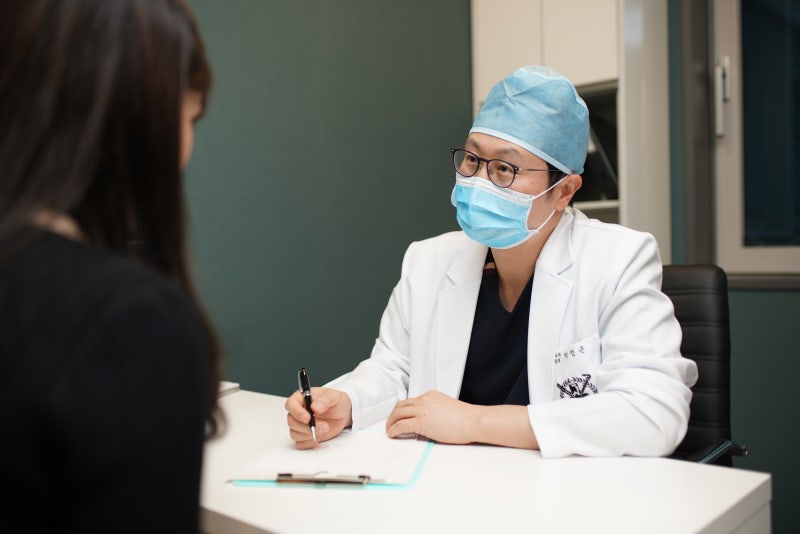
When consulting with individuals considering facelift surgery,
I often find that they ask
‘What method is right for my face?’
before asking about the name of the surgery itself.
This indicates that this surgery is an area that is difficult to explain
with a single, fixed framework.
Everyone's facial skin thickness varies, and the location and degree of sagging
are also different.
Even within the same age group, facial conditions can vary significantly.
This is why the concept of design becomes important in this surgery.
It's not simply about deciding the direction of pulling,
but a process that also considers how the overall facial impression will be maintained.
If this aspect is not sufficiently considered, even significant changes
may not lead to satisfaction.
The difference in results stems from the design, not just the scope of the surgery.
The factors that create a difference in facelift results are more complex
than one might think.
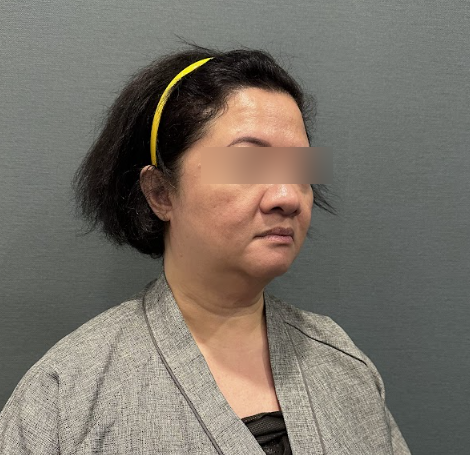
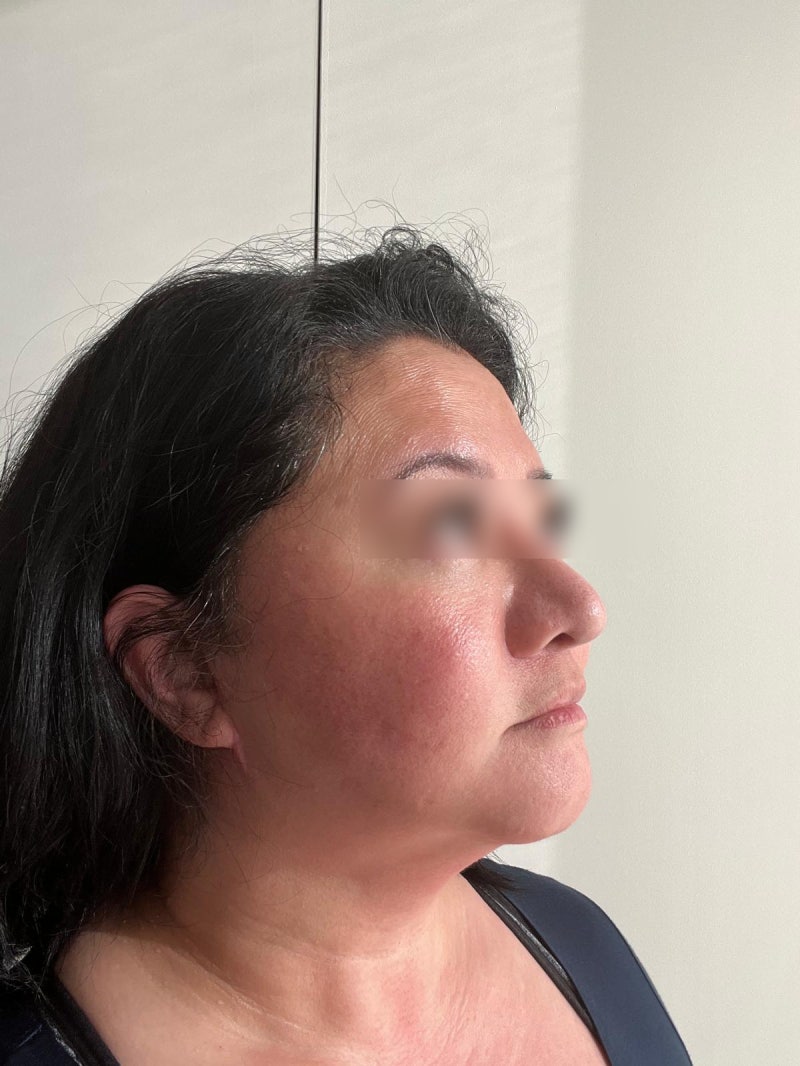
Often, the results are determined more by which structures were prioritized
in the approach, rather than how much was pulled.
An approach based solely on the skin versus one that also considers deeper layers
will show clear differences in the facial impression after recovery.
Especially since the face does not exist in isolated parts,
a change in one area can affect the impression of other areas.
The effectiveness of the surgery is not just about immediate changes,
but whether naturalness is maintained over time,
which becomes a more crucial criterion.
Because if the results seem satisfactory at first but become awkward over time,
it is difficult to consider that a good outcome.
Understanding the changes that occur during the recovery process
After surgery, reactions such as swelling or bruising may occur.
In most cases, these are normal changes that occur within the recovery process,
and the degree varies depending on the individual's constitution and the scope of the surgery.
In the early stages of recovery, the facial contours may feel undefined,
or the impression may appear different from what was expected.
Many people experience increased anxiety during this period.
However, such changes often occur as the face adapts to its new state.
It is important to understand that recovery is not simply a stage of waiting for time to pass,
but a process where tissues settle into place.
How should we view the word ‘side effects’?
When discussing facelift surgery, questions about side effects naturally arise.
The apprehension caused by this word often leads people to fear the surgery itself.
In reality, the situations that can arise vary depending on the surgical method, the direction of the design, and recovery management.
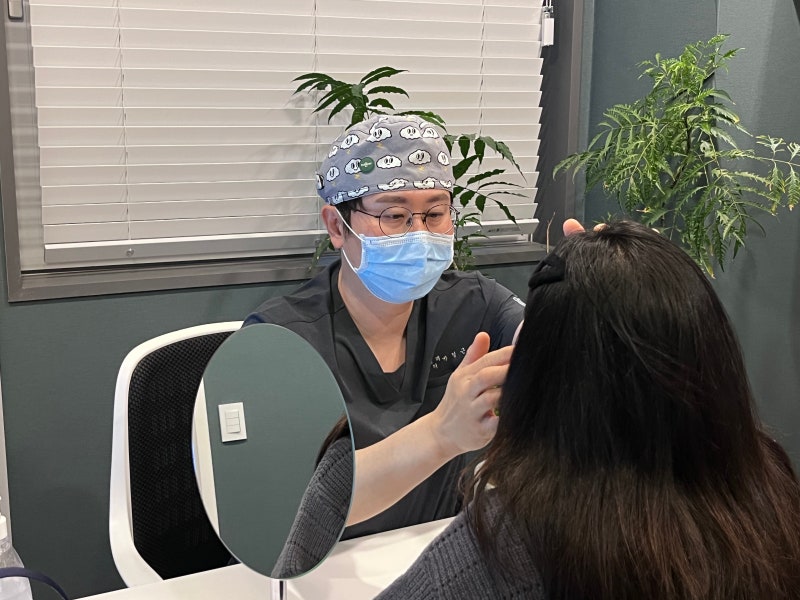
I do not avoid this topic in consultations,
and I try to calmly explain in which cases problems can occur,
and what considerations are made to reduce those possibilities.
Since surgery is not a choice that can be made based solely on expectations,
I believe a process of understanding both the possible changes and limitations is necessary.
This way, the process of accepting the results can also proceed much more stably.
-Operating Hours-
Weekdays 9:00 ~ 18:00 Saturdays 9:00 ~ 16:00 Public Holidays / Sundays Regular closure |
-Contact Us-
Seoul Facelift Specialty Hospital Faceplus Plastic Surgery Clinic | ||
Consultation Phone: 02-541-8500 Inquiries: KakaoTalk Inquiry |
-Directions-
Frequently Asked Questions
Why is design important in facelift surgery?
Yes, design is very important in facelift surgery. Because each person has different skin thickness, sagging locations, and degrees, it's a process that goes beyond simply determining the pulling direction to ensure the overall facial impression is maintained naturally. Without sufficient consideration, patient satisfaction may decrease.
Are swelling or bruising after facelift surgery considered side effects?
No, in most cases, swelling or bruising are normal changes that occur during the recovery process. The degree may vary depending on the individual's constitution or the scope of the surgery, and it's important to understand these as part of the face adapting to its new state.
What determines the results of facelift surgery?
The results of facelift surgery are determined more by which structures were prioritized in the approach, rather than how much was pulled. An approach based solely on the skin versus one that also considers deeper layers shows clear differences in the facial impression after recovery, and whether naturalness is maintained over time becomes the criterion for good results.
How should I understand the side effects of facelift surgery?
Side effects of facelift surgery can vary depending on the surgical method, design direction, and recovery management. It's important to receive a thorough explanation during consultation about potential problems and the considerations made to reduce them, and to understand both the possible changes and limitations.
Can I feel anxious during the recovery process after facelift surgery?
Yes, in the early stages of recovery, you might feel anxious because your facial contours may not seem defined or your impression might appear different from what was expected. However, these changes often occur as the face adapts to its new state, so it's important to understand this as a process where tissues are settling into place.