2026-09-03
Seoul Jamber Thread Lift vs. Mint Thread: Where Do Their Features and Advantages Differ?
Comparing Jamber and Mint thread lifts, this article explains their distinct characteristics, ideal applications, and how to choose the right one based on individual facial conditions.

※ This article is intended to provide medical information.
It is not subject to review under Article 56, Paragraph 2 and Article 57 of the Medical Act,
and is not an advertising post unrelated to review content.
Hello,
I am Dr. Park Jeong-geun,
Director of Faceplus Plastic Surgery Clinic.
Among those considering lifting procedures,
Jamber threads and Mint threads are often compared.
Many have heard the names, but frequently struggle to choose
without a clear explanation of their actual differences.
Both threads are used to refine the facial contour,
but there are clear differences in their mechanism of action
and suitable facial conditions.
Therefore, rather than concluding which is better, it's important to understand which features emerge in which situations.
When Jamber Threads are Primarily Considered
Jamber threads are known for their relatively soft support characteristics,
and are
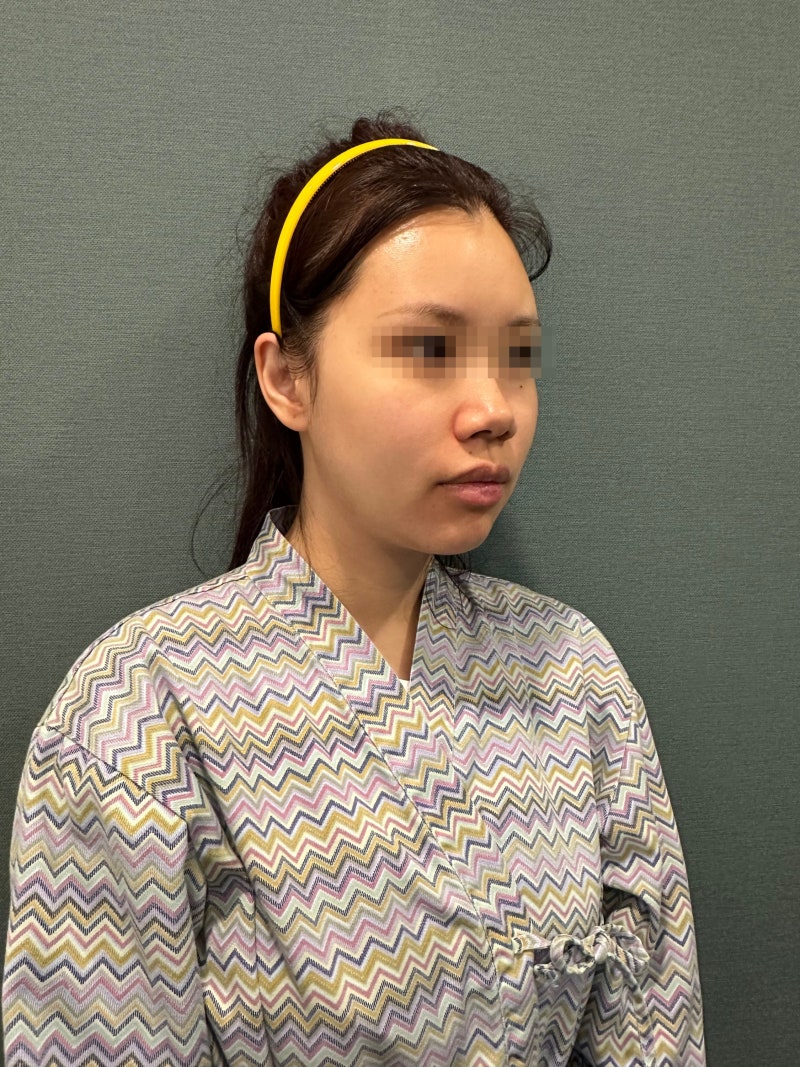

used when the goal is structural refinement rather than surface changes.
They are often considered for areas with a lot of movement, such as around the nasolabial folds and mouth, when one desires to subtly refine their appearance without overdoing it.

Rather than a strong pulling sensation, they are more about gently organizing the downward pull.
Thus, for faces where the skin is not excessively thin and sagging has not progressed rapidly,
natural results are often expected.
However, if a significant degree of change is desired, limitations may be felt.
Situations Where Mint Threads' Characteristics Emerge
Mint threads have a relatively distinct anchoring structure,
and are
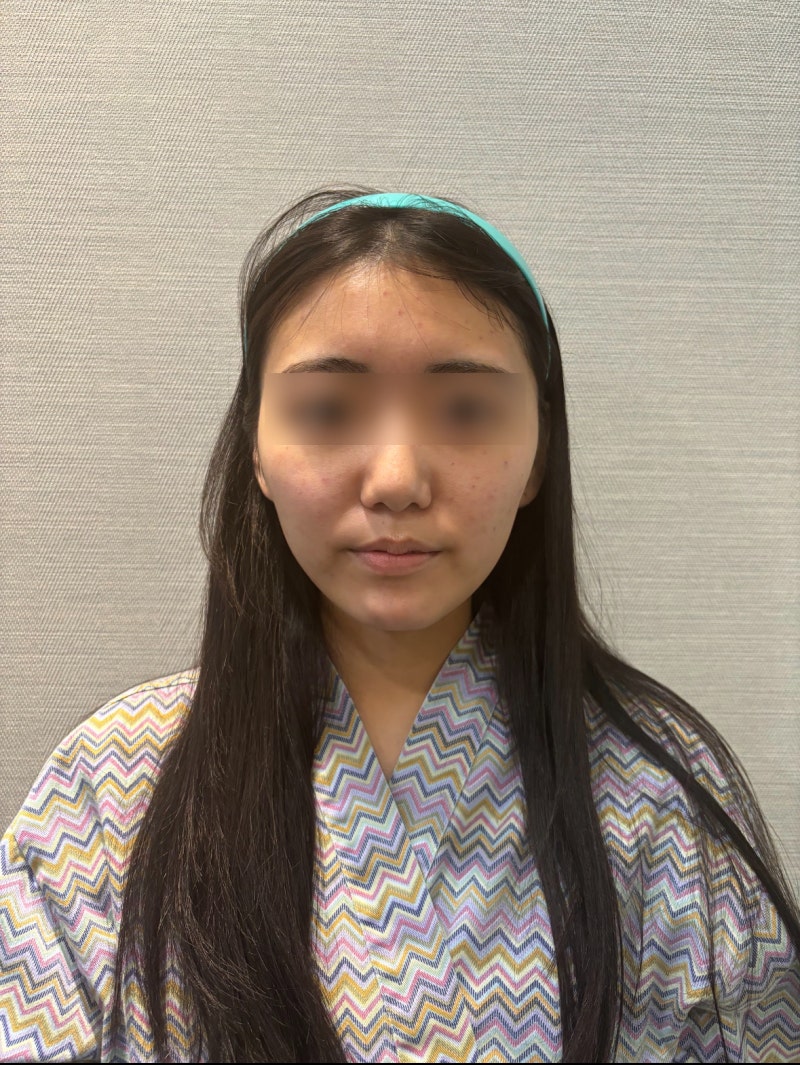

often effective for faces where the contour has blurred or the center of gravity has shifted downwards.
They are frequently chosen when noticeable sagging occurs around the cheeks or mouth, and a more defined refinement is desired.
However, if approached without proper planning of the insertion depth or direction, the surface may appear pulled,
and swelling and bruising may persist unnecessarily.
The reason why the same Mint threads can yield different results is due to variations in this planning stage.
Effects and Differences of the Two Materials
Category | Mint Thread | Jamber Thread |
Basic Characteristics | Relatively distinct anchoring structure | Relatively soft support structure |
Main Role | Provides support for faces with compromised contours | Gently organizes downward pull |
Perceived Effect | Noticeable change | Natural refinement |
Suitable Facial Condition | Clear sagging of cheeks/mouth area | Mild sagging, desire for overall facial refinement |
Concerns about Side Effects | Dimpling, pulling sensation if depth/direction planning is incorrect | Less noticeable change if support is insufficient |
As the table shows, it's impossible to say that one
is inherently better than the other.
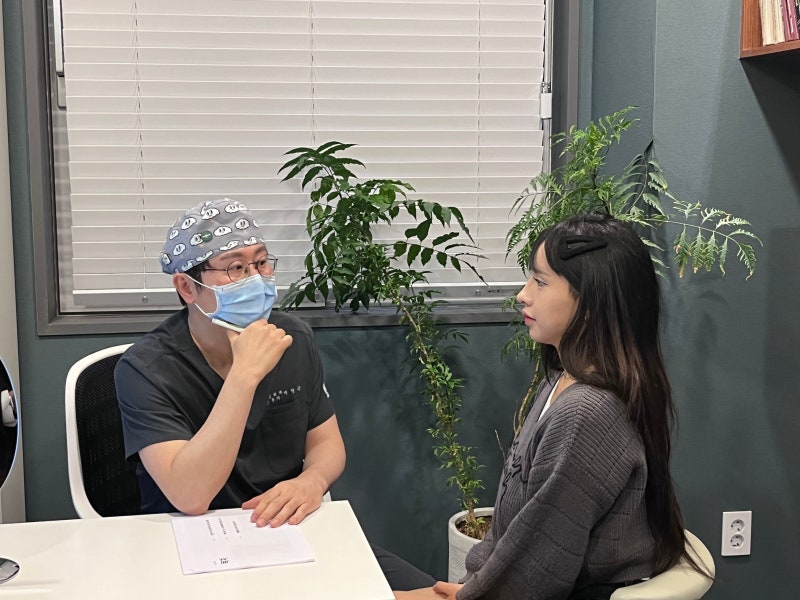
What's important is not the name of the thread, but which thread is better suited to the role
based on what changes are needed for the current facial condition.
The Criterion for Choice is Ultimately the Facial Condition
When comparing these two materials, there is no single criterion that allows for an unconditional recommendation of one over the other.
Jamber threads reveal their advantages when gentle refinement is needed,
while Mint threads are beneficial when more distinct support is required.
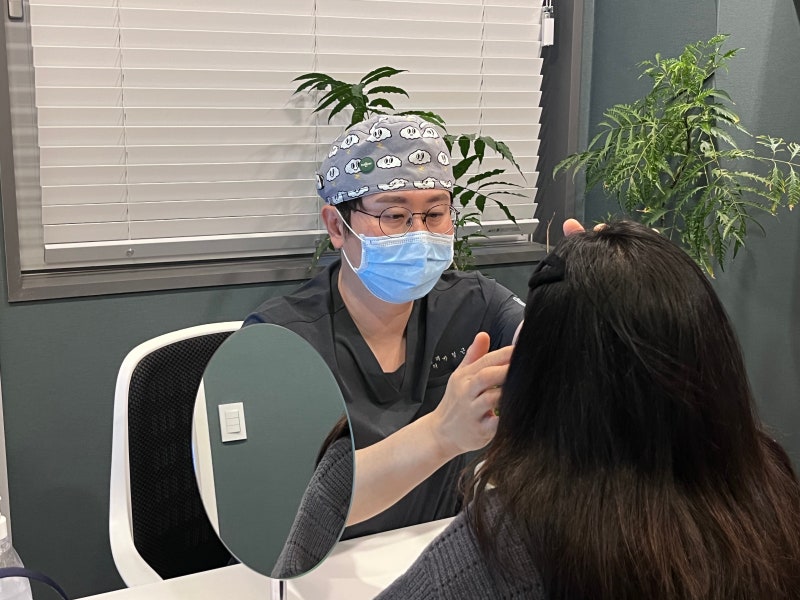
What's more important than the type of thread is the process of first interpreting the face
and deciding how to refine it.
Threads chosen based on these criteria help to stably refine the appearance
without being excessive.
Thank you for reading until the end.
-Operating Hours-
Weekdays 9:00 ~ 18:00 Saturdays 9:00 ~ 16:00 Public Holidays / Sundays Regular closure |
-Contact Us-
Faceplus Plastic Surgery Clinic | ||
Consultation Phone: 02-541-8500 Inquiries: KakaoTalk Inquiry |
-Directions-
Frequently Asked Questions
When is Jamber thread lifting suitable?
Jamber thread lifting uses threads with relatively soft support characteristics, making it suitable for faces where the skin is not excessively thin and sagging is not severe. It's considered when one wants to naturally refine their appearance without overdoing it, especially in areas with a lot of movement like the nasolabial folds and around the mouth.
What are the characteristics of Mint thread lifting?
Mint thread lifting has a relatively distinct anchoring structure, making it particularly effective for faces where the contour has blurred or the center of gravity has shifted downwards. It's often chosen when noticeable sagging occurs around the cheeks or mouth, and a more defined refinement is desired.
Which thread is better, Jamber or Mint?
It's impossible to definitively say that one is better than the other. What's important is not the name of the thread, but understanding which thread is better suited to the role based on what changes are needed for the current facial condition. The appropriate thread varies depending on the individual's facial state.
What should be noted during Mint thread lifting?
If Mint thread lifting is performed without proper planning of the insertion depth or direction, the surface may appear pulled, and swelling and bruising may persist unnecessarily. The reason why the same Mint threads can yield different results is due to variations in this planning stage.
What is the most important criterion when choosing a thread lift?
The most important criterion when choosing a thread lift is not the type of thread, but the process of first interpreting the current facial condition and deciding how to refine it. Threads chosen based on these criteria help to stably refine the appearance without being excessive.
Is it difficult to expect significant changes with Jamber thread lifting?
Yes, Jamber threads may have limitations if a significant degree of change is desired. They primarily aim for structural refinement rather than surface changes, and are more about gently organizing the downward pull rather than providing a strong pulling sensation.