2026-09-03
Seoul Jamber Thread Lift: Why the Same Thread Yields Different Results
The Seoul Jamber Thread Lift uses medical threads to lift sagging skin. However, results vary due to individual facial conditions, design, and technique, not just the thread type.

※ This article is intended to provide medical information.
It is not subject to review under Article 56, Paragraph 2 and Article 57 of the Medical Act,
and is not an advertisement unrelated to review content.
Hello,
I am Dr. Park Jeong-geun,
Director of Face Plus Plastic Surgery Clinic.

One of the first changes that concerns people as they age
is sagging cheeks and a blurred jawline.
At this point, many people consider the Seoul Jamber Thread Lift
as a relatively less burdensome lifting method.
However, even after receiving the same Seoul Jamber Thread Lift,
some people are naturally satisfied, while others feel it falls short of their expectations.
The reason for this is not simply the type of thread used,
but rather differences in facial condition, design, and surgical technique.

Today, let's explore together why the results of the
Seoul Jamber Thread Lift can vary.
Table of Contents | ||
1. Characteristics of Jamber Threads 2. Reasons for Different Results 3. Design by Face Type 4. How to Maintain Results Longer |
1. Characteristics of Jamber Threads
The Seoul Jamber Thread Lift is a lifting procedure that involves inserting medical threads into the appropriate layer beneath the skin to support sagging tissue upwards.
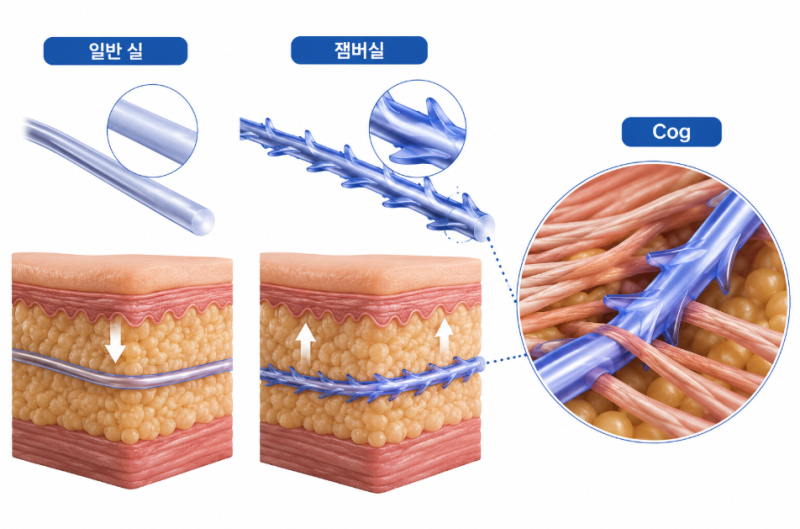
The threads have barbs (cogs) that grip the tissue,
helping to naturally improve sagging cheeks or jawlines.
However, there's a common misconception:
‘If the same thread is used, the results will all be the same.’
While the thread is an important factor, it's not the only thing that determines the outcome.
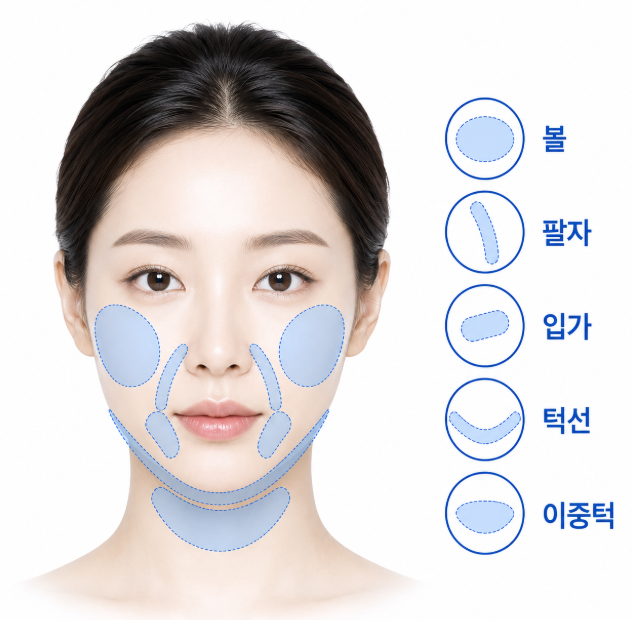
Skin elasticity, amount of fat, direction of sagging, and face shape must all be considered together to achieve more natural results.
In other words, the Seoul Jamber Thread Lift can be seen as a procedure where a design tailored to the face is more important than just the thread itself.
2. Reasons for Different Results
The biggest reason why results differ even with the same Seoul Jamber Thread Lift is the lifting direction.
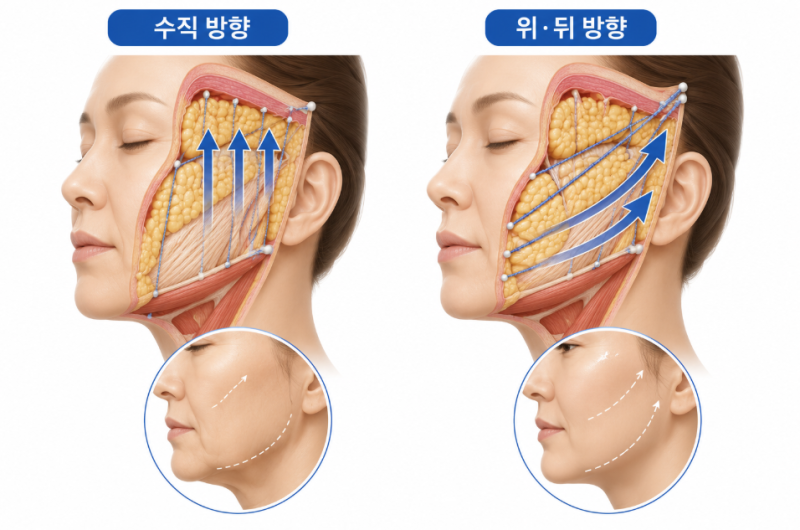
It's not just about pulling the skin upwards; it's crucial to move the sagging tissue upwards and backwards, considering its original direction.
Also, simply increasing the number of threads
does not necessarily lead to better results.
Using more threads than necessary can create unnecessary tension in the tissue and may even disrupt natural facial contours.
Conversely, by placing the appropriate number of threads in the necessary positions,
satisfying changes can be expected even with fewer threads.
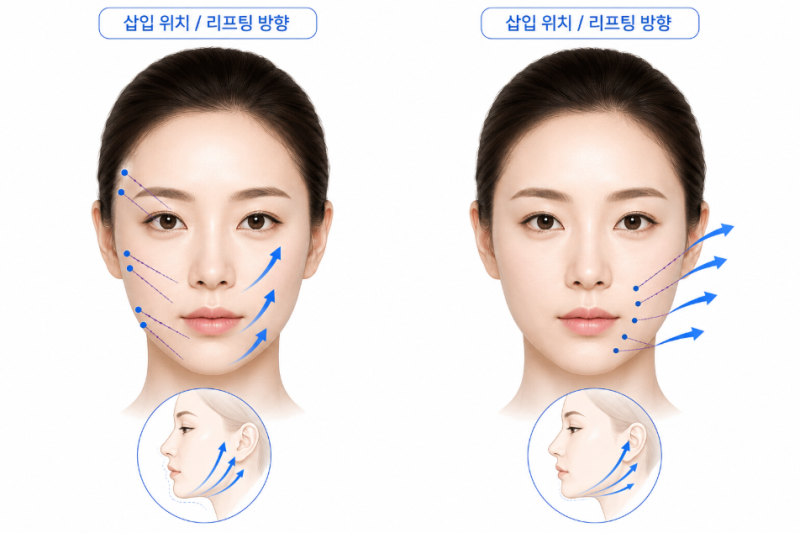
Ultimately, the Seoul Jamber Thread Lift is not about how many threads are used, but where and in what direction they are placed.
3. Design by Face Type
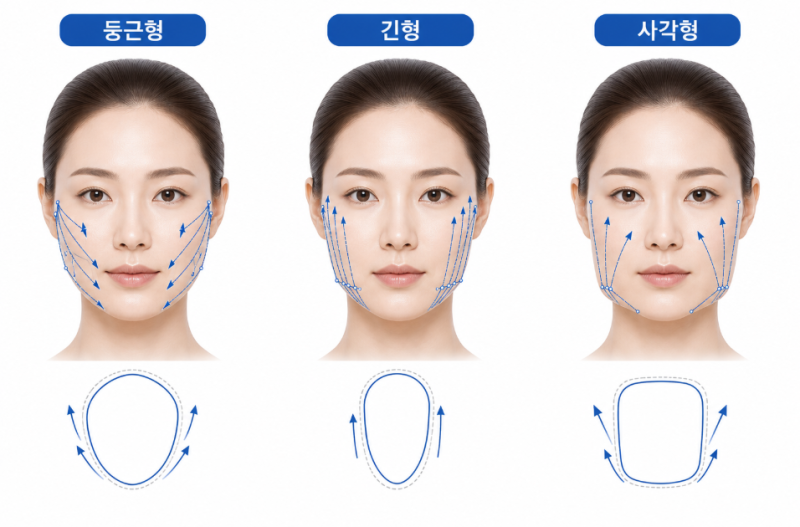
Everyone has a different face shape.
Faces with a lot of cheek fat, a collapsed jawline, or deep nasolabial folds may require different lifting directions.
For example, in cases of significant cheek sagging,
designing around the midface can be helpful, and for jawline improvement,
planning around the lower face may be appropriate.
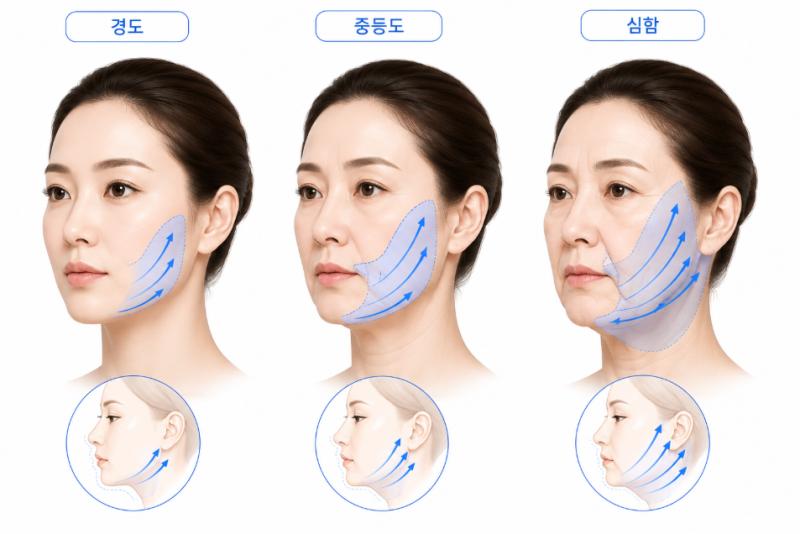
It's also difficult to apply the same design to faces with sufficient skin elasticity versus those with reduced elasticity.
Therefore, for the Seoul Jamber Thread Lift, it's crucial to thoroughly analyze an individual's facial structure and degree of sagging, then proceed with a customized plan rather than a standardized approach.
This process is a factor that enhances
results and satisfaction.
4. How to Maintain Results Longer
Post-procedure care can also
affect the results.

Initially, it's best to avoid opening the mouth excessively wide or rubbing the face vigorously,
and it's helpful to be careful not to apply excessive pressure to the face for a certain period.
Furthermore, it's important to allow sufficient recovery time and follow the medical staff's guidance to monitor progress.
Above all, the Seoul Jamber Thread Lift
can achieve more natural changes when a design suitable for the individual and an accurate treatment plan
are implemented together, rather than just focusing on the thread itself.
Even when using the same thread,
the necessary direction and strategy can vary for each face, so the most important first step is to accurately assess your condition through thorough consultation.
-Operating Hours-
Weekdays 9:00 ~ 18:00 Saturdays 9:00 ~ 16:00 Public Holidays / Sundays Regular Day Off |
-Contact Us-
Face Plus Plastic Surgery Clinic | ||
Consultation Phone: 02-541-8500 Inquiries: KakaoTalk Inquiry |
-Directions-
Frequently Asked Questions
What is the Seoul Jamber Thread Lift?
The Seoul Jamber Thread Lift is a lifting procedure that involves inserting medical threads beneath the skin to support sagging tissue upwards. The barbs (cogs) on the threads grip the tissue, which can help naturally improve sagging cheeks or jawlines.
Why do results differ even when using the same Jamber threads?
Yes, results can vary. This is not simply due to the type of thread, but rather differences in individual skin elasticity, amount of fat, direction of sagging, face shape, and variations in facial condition, design, and surgical technique.
Is it better to use many threads during a Jamber Thread Lift?
No, simply increasing the number of threads does not necessarily lead to better results. Using more threads than necessary can create unnecessary tension and disrupt natural facial contours. It is important to place the appropriate number of threads in the correct positions.
How can I maintain the results of a Jamber Thread Lift for longer?
Immediately after the procedure, avoid opening your mouth excessively wide or rubbing your face vigorously. Be careful not to apply undue pressure to your face for a certain period, and it is important to monitor your progress according to the medical staff's guidance.
What is the most important aspect of a Jamber Thread Lift?
The most important aspect is to thoroughly analyze the individual's facial structure and degree of sagging, then proceed with a customized plan. More natural changes can be expected when a design suitable for the individual and an accurate treatment plan are implemented together, rather than just focusing on the thread itself.