2026-09-03
Seoul Forehead Lift: Potential for Headaches and Sensory Abnormalities, and Pre-Surgical Checks for Scar Minimization
Learn about potential headaches, sensory issues, and scar minimization in Seoul forehead lift surgery. Understand recovery, pre-op checks, and what to expect for a safe, natural outcome.
※ This article is for the purpose of providing medical information.
It is not subject to deliberation under Article 56, Paragraph 2 and Article 57 of the Medical Service Act,
and we inform you that it is not an advertising post unrelated to the content of the deliberation.
Hello,
I am Park Jeong-geun,
Director of Faceplus Plastic Surgery Clinic,
specializing in Seoul forehead lifts.
A procedure to lift the upper face is not just a process of pulling the skin,
but includes the process of dissecting and then re-fixing the scalp and muscle layers together.
During this process, tension is formed in the tissues, which can lead to temporary headaches.
Most often, it feels like pressure or a heavy sensation, and it gradually diminishes over time.
Especially for those who usually experience migraines or tension headaches frequently, the initial discomfort may feel greater.
What is important is whether the intensity gradually decreases.
If it continuously worsens, or if throbbing pain like a pulse recurs, it is difficult to consider it a simple adaptive response.
Accurately sharing your headache history before surgery helps determine the direction of subsequent management.
Why do sensory abnormalities occur?
Various sensory nerves are distributed in the scalp.

If these nerves are temporarily stimulated during the dissection process, numbness, a dull sensation, or decreased sensation may occur.
Most of these are temporary changes and gradually recover within several weeks to several months.
However, if the dissection area is wide or the fixation position is excessive, sensory recovery may be delayed.
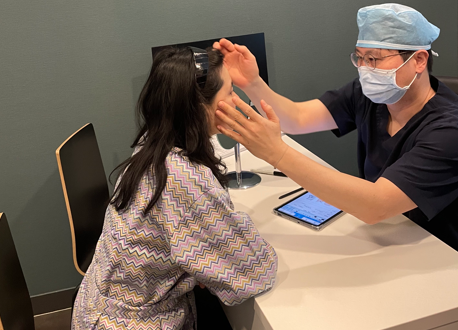
It is important to design the surgery considering scalp thickness and nerve pathways before the procedure.
Especially if you have a history of scalp incision, the nerve distribution may be different, requiring a meticulous approach.
Sensory changes are uncomfortable, but most do not lead to permanent damage.
How to minimize scars
The incision line is usually planned along the inside of the hairline or at the border.
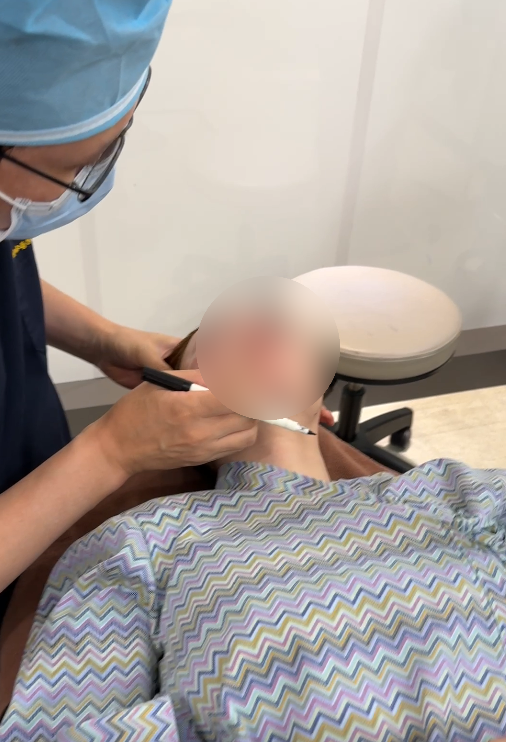
This is a strategy to reduce external exposure.
However, scars vary depending on the individual's constitution, skin thickness, and suturing method.
Before surgery, it is important to check for a keloid tendency and, if necessary, establish a preventive management plan.
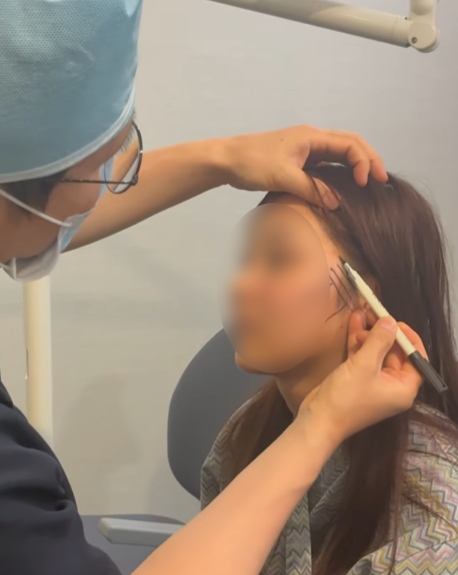
It is important not to apply excessive tension during suturing, and sunscreen and ointment use are helpful even after stitch removal.
Initial redness is a natural process and usually fades over several months.
More important than the length of the incision are its location and tension distribution.
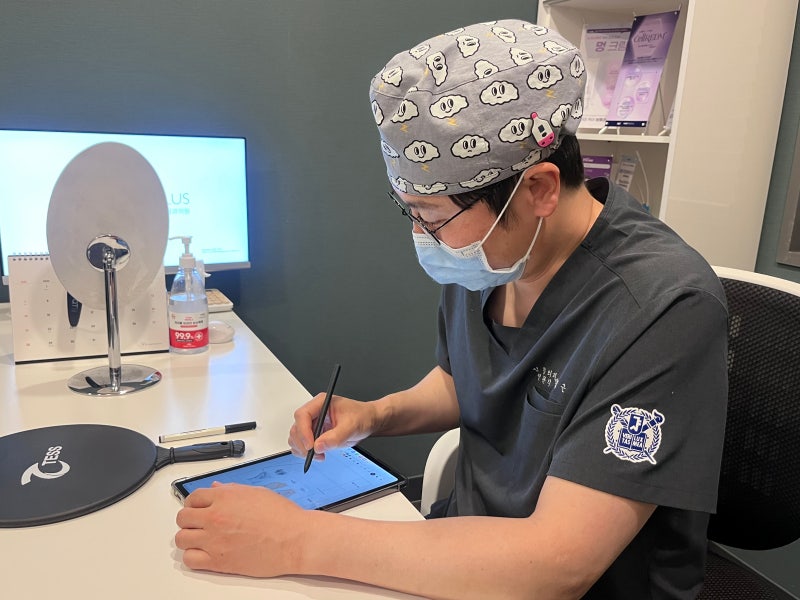
Additionally, considering the scalp elasticity and hair density at the incision site together can further reduce the possibility of scar exposure.
Things to check before surgery
The degree of upper facial sagging, eyebrow position, and forehead wrinkle direction should be comprehensively evaluated.
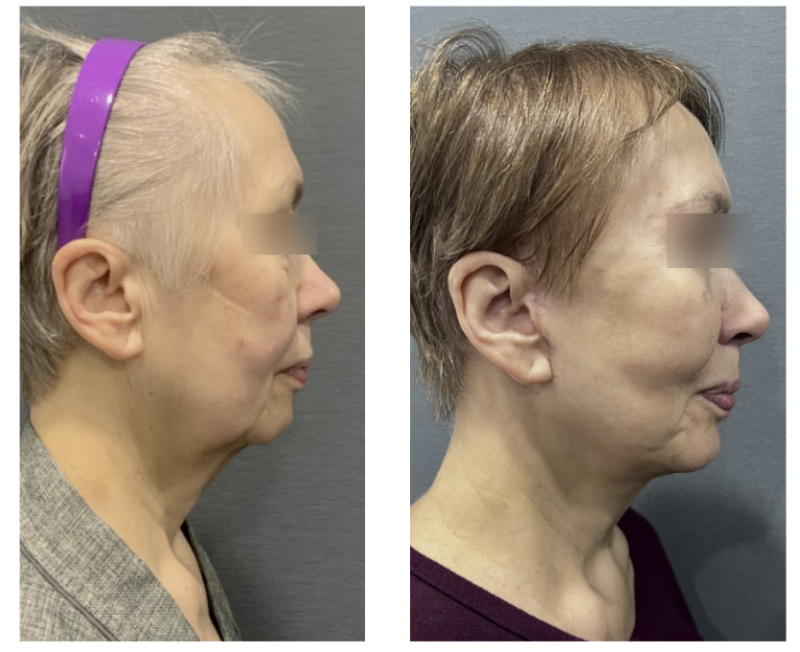
The key is not simply to lift a lot, but to set a range that maintains a natural impression.
A history of previous eyelid surgery or Botox treatments can also affect the results.
Furthermore, smoking status and systemic diseases directly affect the recovery speed.
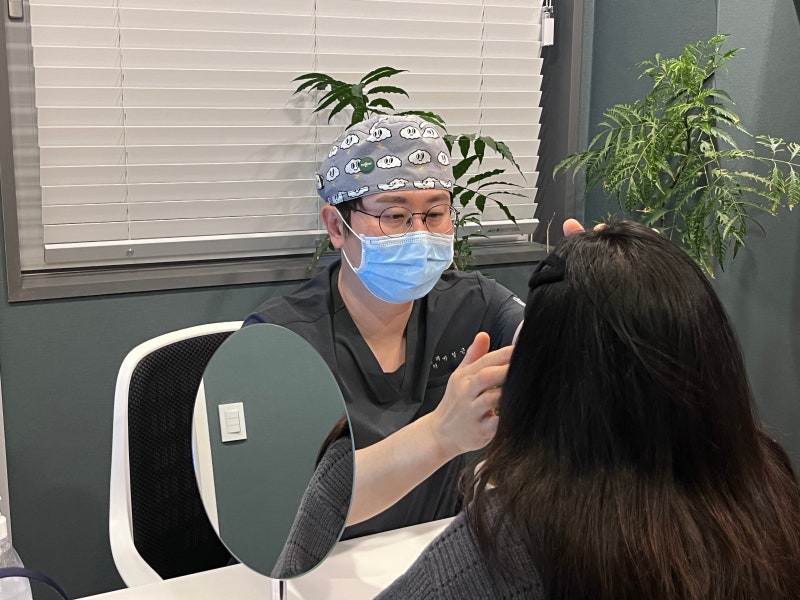
It is safer to make a decision after understanding the realistic range of changes rather than having excessive expectations.
You should remember that surgery is a matter of planning, not just technique.
In particular, analyzing the difference in muscle strength between the left and right sides and the scalp tension distribution in advance can reduce the risk of asymmetry.
-Operating Hours-
Weekdays 9:00 ~ 18:00 Saturdays 9:00 ~ 16:00 Public Holidays / Sundays Regular closure |
-Contact Us-
Seoul Forehead Lift Faceplus Plastic Surgery Clinic | ||
Consultation Phone: 02-541-8500 Inquiries: KakaoTalk Inquiry |
-Directions-
Seoul Forehead Lift
Frequently Asked Questions
Why do headaches occur after a forehead lift?
Yes, headaches can temporarily occur after a forehead lift due to tension forming in the tissues. Most often, it feels like pressure or a heavy sensation, and it gradually diminishes over time. If you usually experience migraines, the discomfort may feel greater.
Are sensory abnormalities after a forehead lift permanent?
No, most do not lead to permanent damage. Numbness, a dull sensation, or decreased sensation may occur due to temporary stimulation of the scalp's sensory nerves, but it generally recovers gradually within several weeks to several months.
What are the methods to minimize scars from a forehead lift?
To minimize scars, the incision line is usually planned along the inside of the hairline or at the border. Before surgery, it's important to check for a keloid tendency, avoid excessive tension during suturing, and use sunscreen and ointment after stitch removal.
What should be checked before a forehead lift surgery?
Before surgery, the degree of upper facial sagging, eyebrow position, and forehead wrinkle direction should be comprehensively evaluated. It is also crucial to accurately share your history of previous eyelid surgery, Botox treatments, smoking status, and systemic diseases with the medical team.
What should I do if my headache is severe after a forehead lift?
If headaches after a forehead lift continuously worsen or if throbbing pain like a pulse recurs, it is difficult to consider it a simple adaptive response. In this case, you must consult with the medical team to identify the exact cause and determine the appropriate management plan.
Can sensory recovery be delayed after a forehead lift?
Yes, sensory recovery can be delayed. If the dissection area is wide or the fixation position is excessive, sensory recovery may be prolonged. Precise surgical design considering scalp thickness and nerve pathways before surgery is crucial.