2026-09-03
Upper Blepharoplasty Reviews: What Real Changes Can You Expect? Improving Droopy Eyelids and Essential Pre-Surgery Considerations
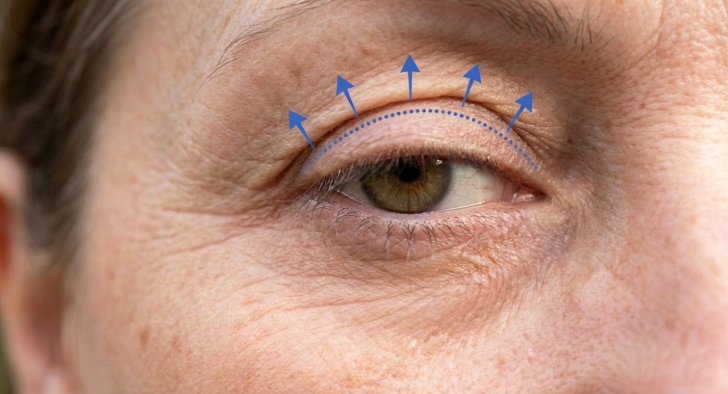
Many people experience heavy, drooping upper eyelids with age, which can cause both cosmetic and functional issues like impaired vision and forehead wrinkles. Upper blepharoplasty can address these concerns, but it's crucial to understand that individual results vary based on eye structure, fat, and muscle condition. This article discusses what to expect from upper blepharoplasty, important pre-surgery checks, and realistic recovery expectations.
※ This article is intended to provide medical information.
It is not subject to review under Article 56, Paragraph 2 and Article 57 of the Medical Act,
and is not an advertising post unrelated to the content of the review.
Hello,
I am Dr. Park Jeong-geun,
Director of Face Plus Plastic Surgery Clinic.

Many people experience their upper eyelids drooping heavily as they age.
While it’s easy to think of this as merely a cosmetic issue,
it can actually lead to discomfort related to vision.
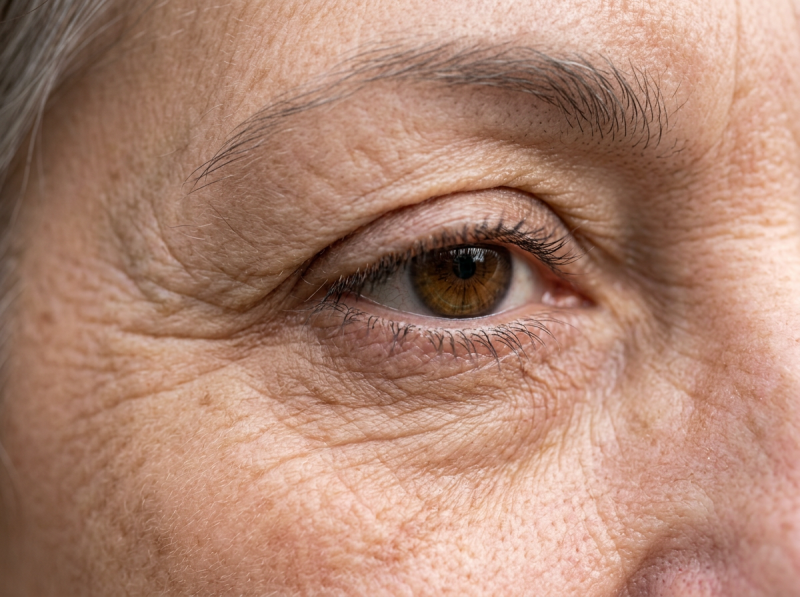
When the skin sags and covers the pupils, people tend to use their forehead muscles to open their eyes,
which can lead to forehead wrinkles or fatigue.
In such situations, many people consider upper blepharoplasty.
However, during consultations, I often notice that
many patients rush to make a decision based solely on upper blepharoplasty reviews.

It’s difficult to directly compare cases found online because individual conditions vary.
Results can differ depending on eye structure, fat distribution, and muscle condition.
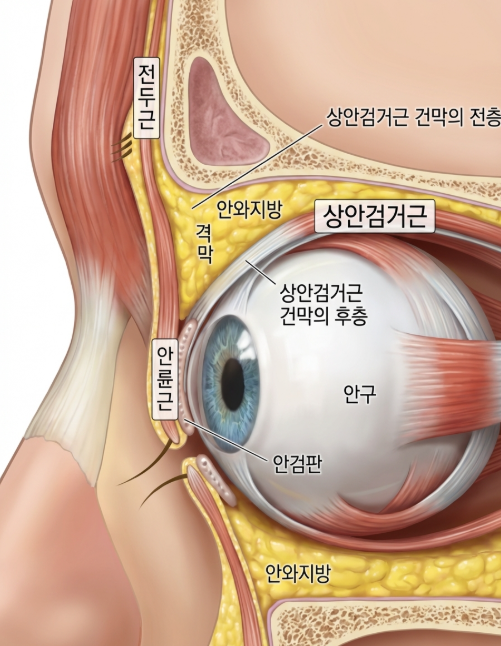
Therefore, the actual changes cannot be simply explained by removing excess skin;
they depend on how the tissues around the eyes are refined.
Changes seen in actual upper blepharoplasty reviews
When looking at upper blepharoplasty reviews, the most frequently mentioned
change is improved visual comfort.
This is because less effort is required to open the eyes once the drooping upper eyelids are corrected.
Aesthetically, the eyes often appear clearer and more defined, replacing a previously tired or obscured look.
However, it’s important to note that excessive removal
can lead to unnatural results.
If too much skin is removed, it can cause discomfort when closing the eyes, and the eye shape may appear awkward.
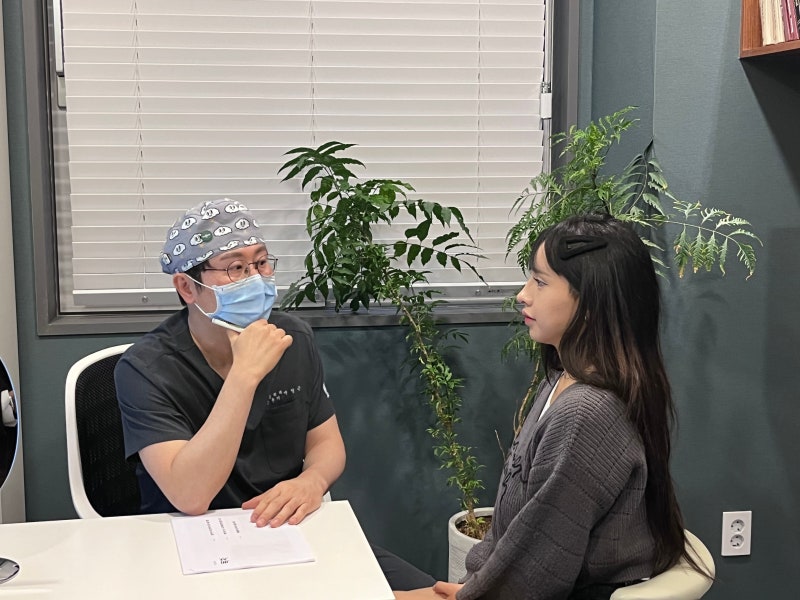
Therefore, in upper blepharoplasty, rather than simply removing a large amount of tissue,
it is crucial to determine the appropriate extent based on the individual's eye structure.
Additionally, if there is protruding fat, how that is managed also affects the outcome.
Important criteria to check before surgery
Before planning upper blepharoplasty, it’s necessary to check several important points.
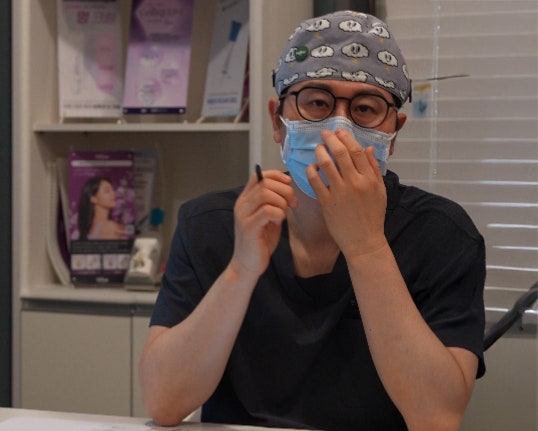
First, it’s crucial to determine whether eyelid ptosis is solely due to skin laxity
or if it’s related to the function of the muscles that open the eyes.
In some cases, methods to correct the strength of eye-opening muscles may also be considered.
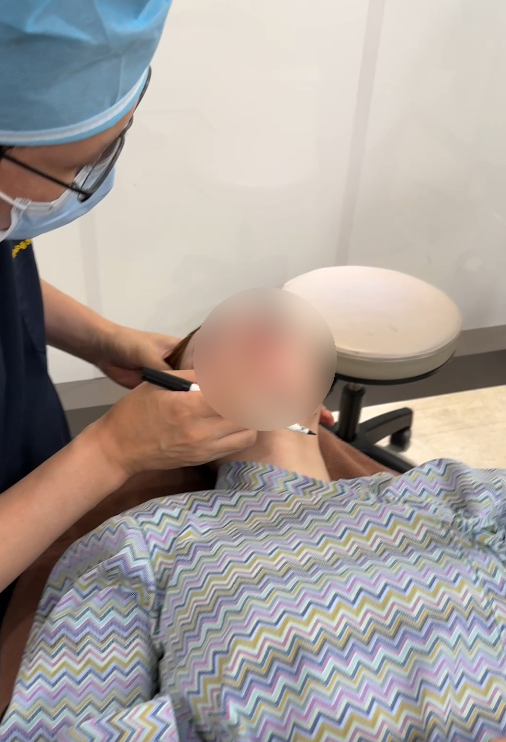
If these differences are not considered and the same approach is used,
the results may not meet expectations.
Therefore, when planning upper blepharoplasty, it’s more important to accurately understand your specific eye condition
than to simply refer to reviews.
Realistic understanding of the recovery process and pain
Upper blepharoplasty reviews often include many questions about recovery.

In most cases, swelling and bruising may appear initially.
These are natural changes that can occur during the tissue refinement process.
Pain varies among individuals, but it rarely persists to the extent of hindering daily life.

However, the most important aspect of the recovery process is to allow time for the tissues to stabilize.
It’s important to understand the changes that are appropriate for your eye structure and tissue condition,
rather than simply expecting the exact results seen in upper blepharoplasty reviews.

Since the eyes are a crucial part that determines facial impression,
an approach that considers both function and a natural appearance, rather than drastic changes, is necessary.
-Operating Hours-
Weekdays 9:00 ~ 18:00 Saturdays 9:00 ~ 16:00 Public Holidays / Sundays Regular closure |
-Contact Us-
Face Plus Plastic Surgery Clinic | ||
Consultation Phone: 02-541-8500 Inquiries: KakaoTalk Inquiry |
-Directions-
Upper Blepharoplasty Reviews
Frequently Asked Questions
In what cases is upper blepharoplasty considered?
Upper blepharoplasty can be considered when the upper eyelids droop with age, obstructing vision, or when using forehead muscles to open the eyes causes forehead wrinkles or fatigue. It helps not only with cosmetic improvement but also with alleviating functional discomfort.
What changes can be expected after upper blepharoplasty?
After upper blepharoplasty, the drooping eyelids are corrected, leading to more comfortable vision and less effort required to open the eyes. Aesthetically, the previously tired-looking eyes become clearer and more defined, resulting in a more vivid impression.
Are there any precautions to take during upper blepharoplasty?
Yes, during upper blepharoplasty, removing too much skin can cause discomfort when closing the eyes or lead to an unnatural eye shape. It is crucial to proceed with an appropriate scope and method, considering the individual's eye structure, fat, and muscle condition.
What should be checked before upper blepharoplasty?
Before upper blepharoplasty, it is important to accurately determine whether eyelid ptosis is simply due to skin laxity or related to the function of the eye-opening muscles. In some cases, methods to correct the strength of eye-opening muscles may also be considered.
How long does the recovery period take after upper blepharoplasty?
Initially after upper blepharoplasty, swelling and bruising may appear, which are natural changes during the tissue refinement process. Pain varies among individuals but is usually not severe enough to hinder daily life. It is important to allow sufficient time for the tissues to stabilize.
Can I rely on online upper blepharoplasty reviews?
Online reviews are only reference materials, and direct comparison is difficult because results can vary depending on an individual's eye structure, fat distribution, and muscle condition. It is most important to accurately understand your own eye condition and consult with a specialist.