2026-09-03
Bulldog Jowl Lifting: How Effective is Thread Lifting? Real Reviews and Price Guide
This article discusses bulldog jowl lifting, focusing on thread lifting's realistic effects, what to look for in reviews, and key considerations for pricing.
※ This article is intended to provide medical information.
It is not subject to deliberation under Article 56, Paragraph 2 and Article 57 of the Medical Service Act, and is not an advertisement unrelated to the content of deliberation.
Hello,
I am Dr. Park Jung-geun,
Director of Faceplus Plastic Surgery Clinic,
specializing in bulldog jowl lifting.
Bulldog jowls are not simply a matter of ‘sagging skin’.
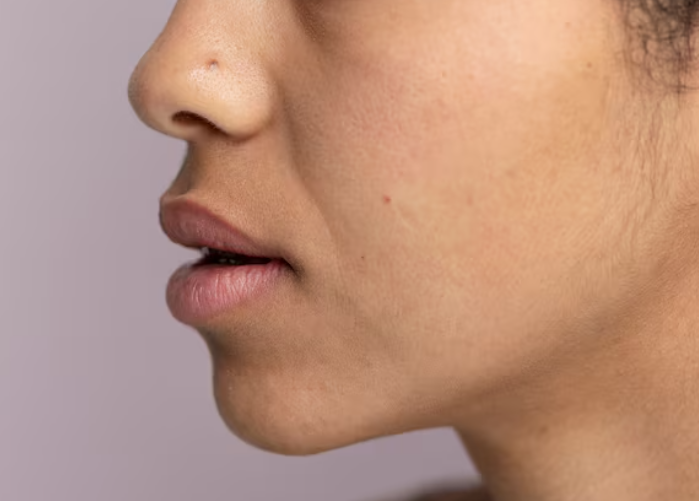
It is closer to a phenomenon where the fat in the cheeks shifts downwards, and the ligaments that support it loosen, causing the side profile of the face to appear collapsed.
When combined with reduced skin elasticity, it creates a shape where the skin seems to hang over the jawline.
At this point, many people expect that thread lifting alone will immediately solve the problem,
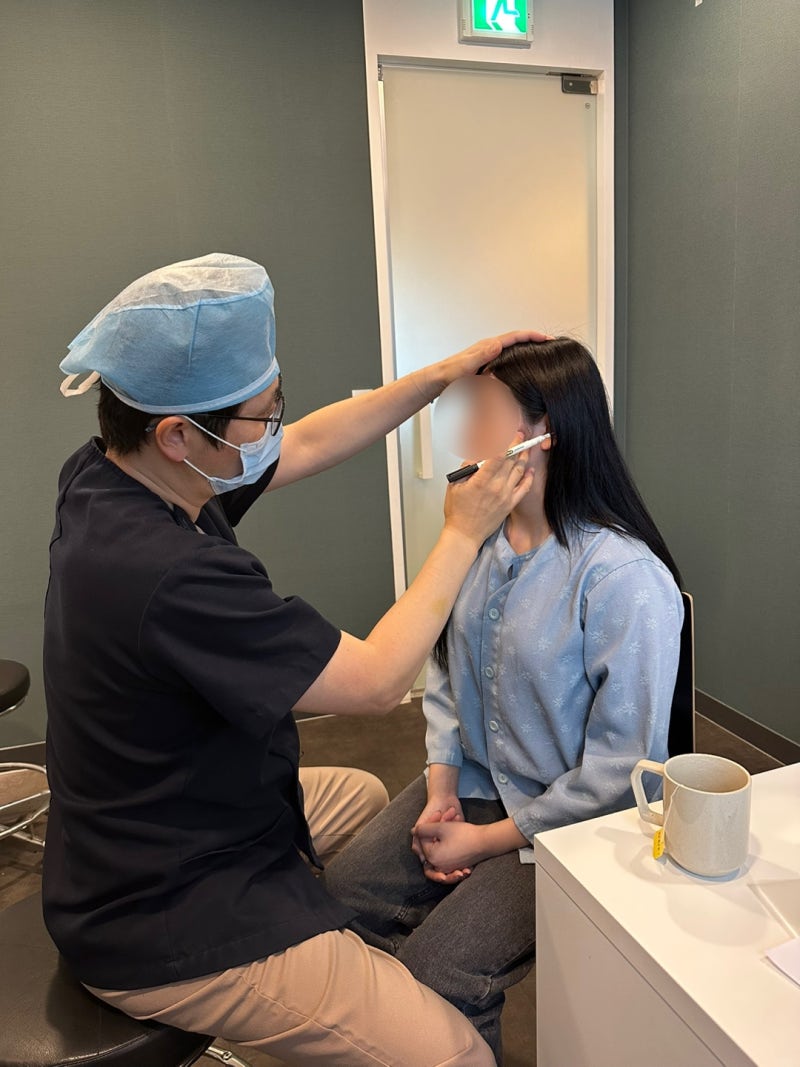
However, it is crucial to first distinguish whether the cause of sagging is ‘skin’, ‘fat position’, or ‘jawline support’ to establish a proper treatment plan.
Thread Lifting: What are the realistic effects?
Thread lifting is a method of inserting threads under the skin to ‘support’ and ‘reposition’ sagging tissue.
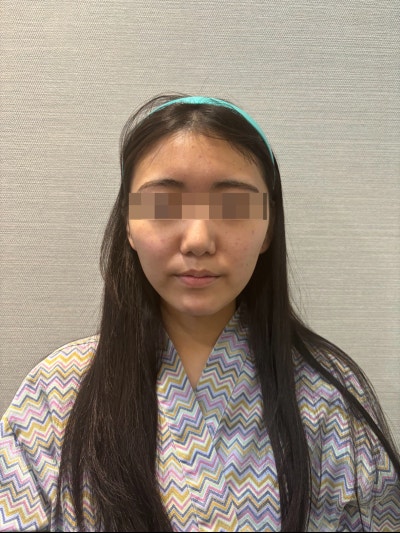
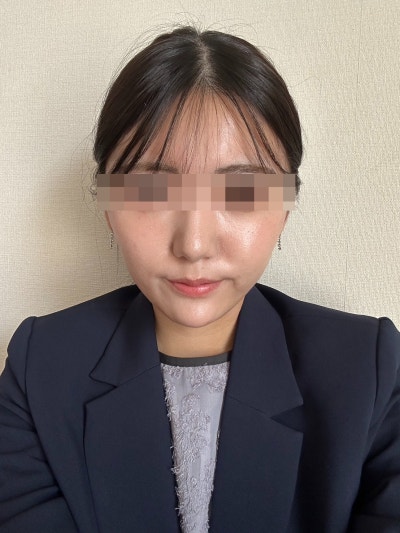
It’s not just about pulling the surface; it’s more about tidying up the area where the sagging cheek tissue appears to hang over the jawline, moving it upwards.
The important points here are the layer where the threads are inserted and the direction of the pull.
If too shallow, it can feel bumpy or be visible when touched,
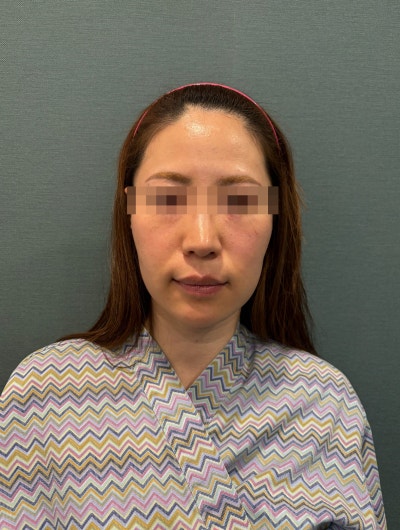
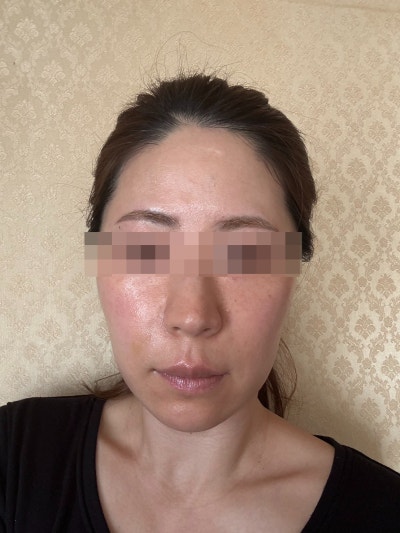
And if too deep, the desired effect may feel weak.
It’s easy to be tempted by the idea that ‘pulling hard will make it immediately noticeable and look good’,
But I believe that method does not create long-lasting results.
Natural results come not from exaggerated changes, but from refining the shadows and contours of the jawline to create a ‘tidier impression’.
Real Reviews: How to interpret them correctly
Reviews are certainly helpful, but it’s risky to judge solely based on them.
This is because the cause varies from person to person.
Therefore, it’s good to use three criteria when looking at reviews.
First, check if the skin thickness is similar to yours. Thin skin shows even small changes well, but at the same time, side effects are easily noticeable. Second, check if the starting point of the sagging is similar. The design should differ for types where the front of the jawline collapses versus types where the area next to the mouth sags. Third, don’t just look at ‘immediate change’ photos; check if there are photos showing the condition 2-4 weeks later. |
The appearance after bruising and swelling have subsided is closer to the true result.
Price Criteria: What’s included is key
Prices vary depending on the type of thread, number, and scope, but a more important criterion is the ‘included items’.
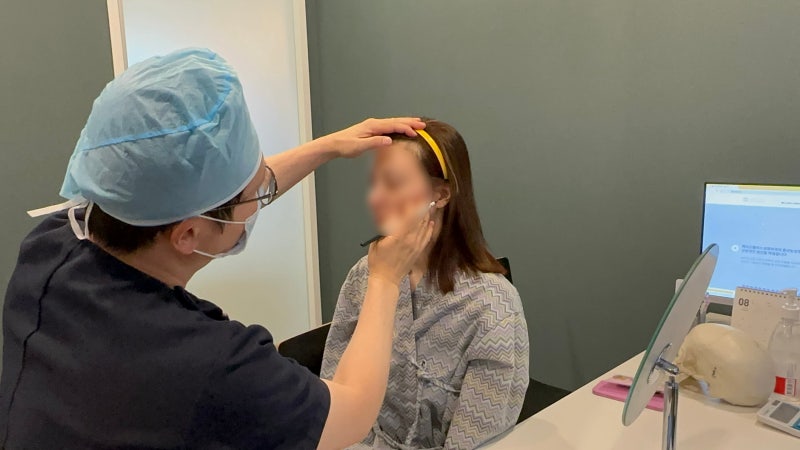
During consultation, the explanation should be specific, covering which areas will be pulled in which direction, how to match left and right differences, and how to reduce risks if the skin is thin.
Also, be sure to check the post-procedure care standards.
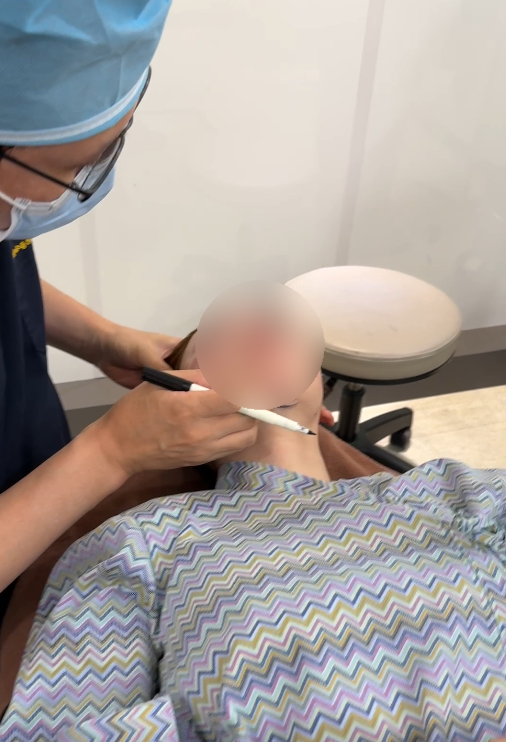
In the initial 1-2 weeks, the left and right sides may appear different due to swelling changes, and how this is checked and adjusted determines satisfaction.
Ethical medical practice does not say ‘it will definitely work’.
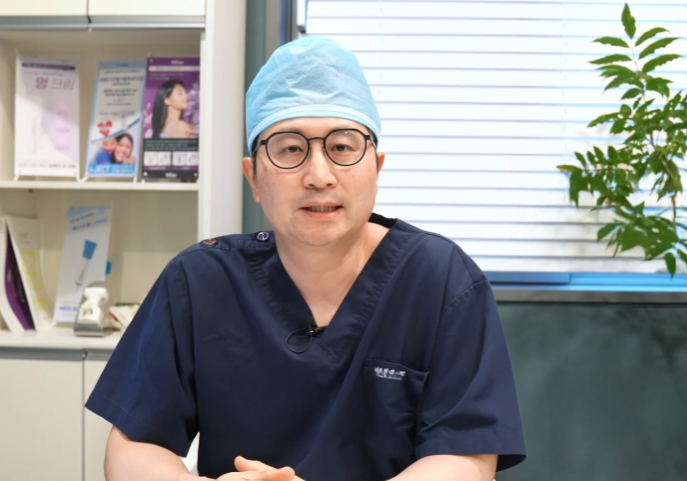
If a clinic promises significant results with thread lifting alone for severe bulldog jowls, it’s wise to reconsider.
A clinic that first explains the possible scope and limitations, and then designs the best effect within those boundaries, ultimately delivers safe results.
-Operating Hours-
Weekdays 9:00 ~ 18:00 Saturdays 9:00 ~ 16:00 Public Holidays / Sundays Regular closure |
-Contact Us-
Bulldog Jowl Lifting Faceplus Plastic Surgery Clinic | ||
Consultation Phone: 02-541-8500 Inquiries: KakaoTalk Inquiry |
-Directions-
Bulldog Jowl Lifting
Frequently Asked Questions
Why do bulldog jowls form?
Bulldog jowls are more than just sagging skin; they occur when cheek fat shifts downwards and the supporting ligaments loosen, causing the side profile of the face to appear collapsed. When combined with reduced skin elasticity, it creates a look where the skin seems to hang over the jawline.
How does thread lifting work to improve bulldog jowls?
Thread lifting involves inserting threads under the skin to support and reposition sagging tissue. It helps to tidy up the area where the sagging cheek tissue appears to hang over the jawline, moving it upwards to create a natural jawline and a more refined impression.
What should I look for when reviewing thread lifting testimonials?
Yes, when looking at reviews, it's good to consider three criteria. First, check if the skin thickness is similar to yours. Second, see if the starting point of the sagging is similar. Third, it's important to look beyond immediate 'after' photos and check the condition 2-4 weeks later, after bruising and swelling have subsided.
What are the important criteria when comparing thread lifting prices?
Thread lifting prices vary depending on the type of thread, number, and scope, but a more important criterion is the 'included items'. You should receive a detailed explanation during the consultation, covering which areas will be pulled in which direction, and how post-procedure care will be conducted, before making a comparison.
Can severe bulldog jowls be resolved with thread lifting alone?
No, for severe bulldog jowls, it may be difficult to expect significant results with thread lifting alone. It's important to first distinguish whether the cause of sagging is skin, fat position, or jawline support, and to choose a clinic that clearly explains the possible scope and limitations of the procedure.
How can I achieve natural results after a thread lifting procedure?
Natural results come not from exaggerated changes, but from refining the shadows and contours of the jawline to create a 'tidier impression'. It is crucial to accurately determine the layer where the threads are inserted and the direction of the pull to appropriately support and reposition the sagging tissue.