2026-09-03
Why Thread Lifts, Not Ultherapy, Are Needed for Sagging Cheeks: A Plastic Surgeon Explains
Discover why thread lifts are often more effective than Ultherapy for sagging cheeks, especially when fat displacement is involved. Learn about the different approaches and how to choose the right treatment for your specific needs.
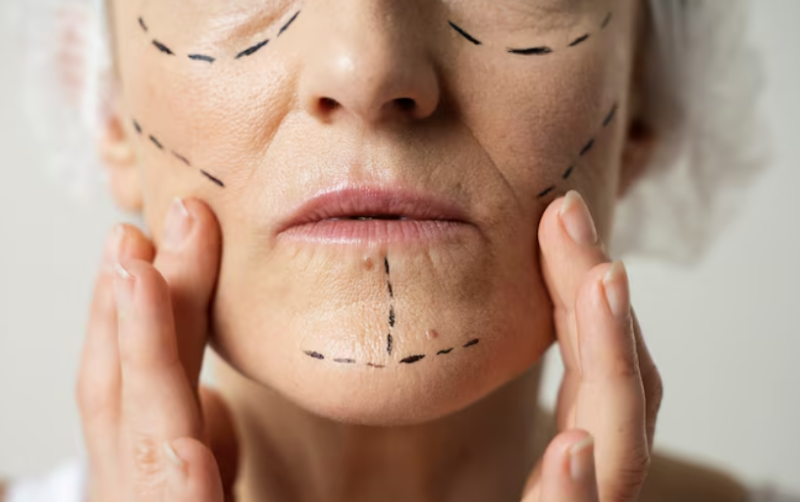
※ This article is for the purpose of providing medical information.
It is not subject to deliberation under Article 56, Paragraph 2 and Article 57 of the Medical Act,
and is not an advertisement unrelated to the content of deliberation.
Hello,
I am Park Jeong-geun,
Director of Faceplus Plastic Surgery Clinic,
specializing in thread lifts for sagging cheeks.
Sagging cheeks are not simply a phenomenon caused by reduced skin elasticity.
In reality, they are complexly affected by the skin, fat layer, retaining ligaments, and fascial layer.
If the skin is thin and only elasticity has decreased, energy device procedures may be helpful.
However, if the fat has moved downwards, creating weight in the cheeks and causing them to sag, the approach changes.
In this case, rather than simply applying contractile stimulation,
a method that repositions the structure itself upwards is necessary.
If the sagging of the cheeks is moderate or severe, designing the lifting direction is crucial.

If the cause is not accurately identified, the expected effects may not be fully realized.
When Ultherapy is appropriate and its limitations
Ultherapy uses ultrasound energy to apply thermal stimulation to the SMAS layer.
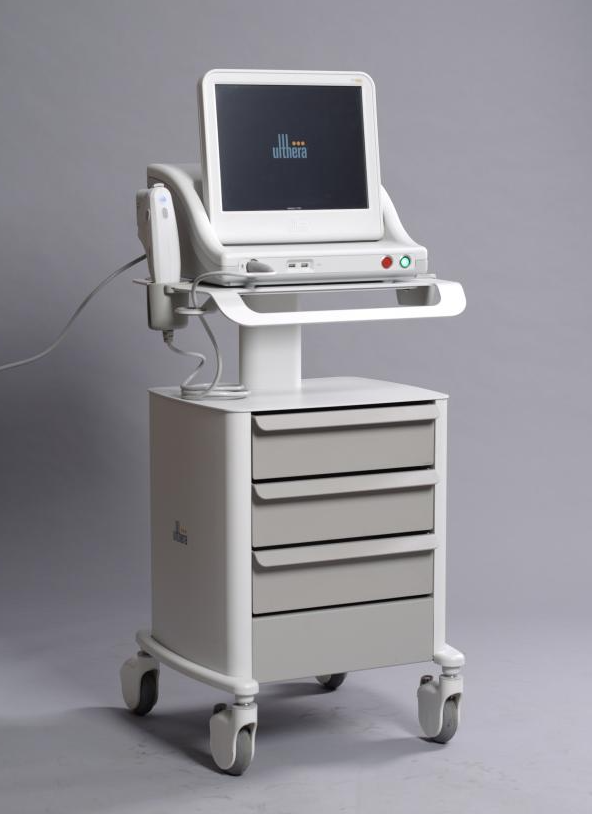
It can show meaningful results in improving skin elasticity and reducing fine wrinkles.
However, its ability to physically lift already descended cheek fat is limited.
When the sagging of the cheeks is advanced, skin contraction alone may not lead to significant changes in the facial line.
Furthermore, high-intensity energy irradiation can cause pain,
and swelling or temporary stiffness may appear immediately after the procedure.
It is important to understand that energy devices are closer to the concept of ‘tightening’ rather than ‘pulling up’.
Especially when fat layer displacement is clear, the perceived change may be less than expected.
Situations requiring a thread lift
A thread lift is a method that uses special threads to physically move sagging tissue upwards.
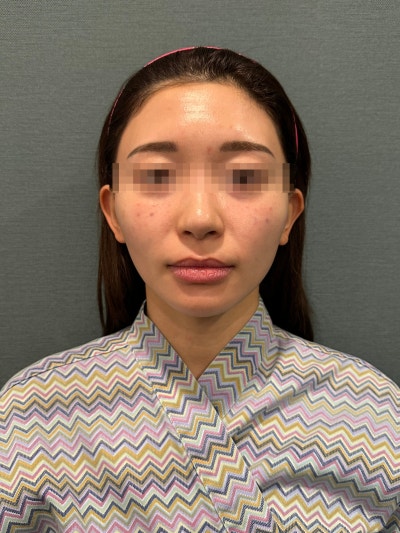
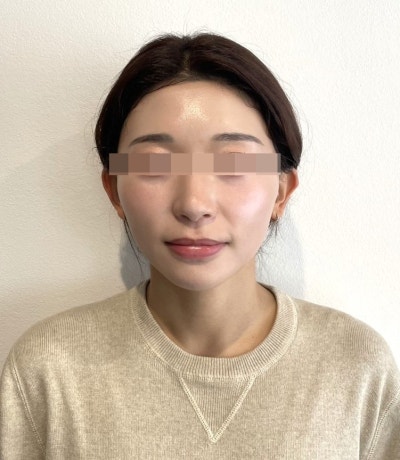
It is not just about stimulating elasticity, but about actually changing the position.
When sagging cheeks are prominent and the center of gravity of the midface has descended, a thread lift is a more direct method.
The direction of thread insertion and the design of the fixation points determine the results.
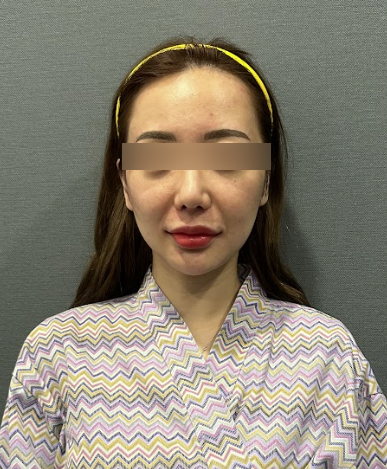

When properly designed, immediate changes appear, followed by a collagen formation process.
Bruising or swelling varies individually but is generally temporary,
and excessive insertion can lead to unnatural results.
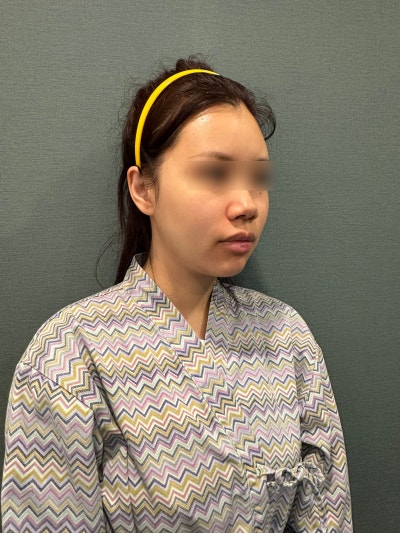
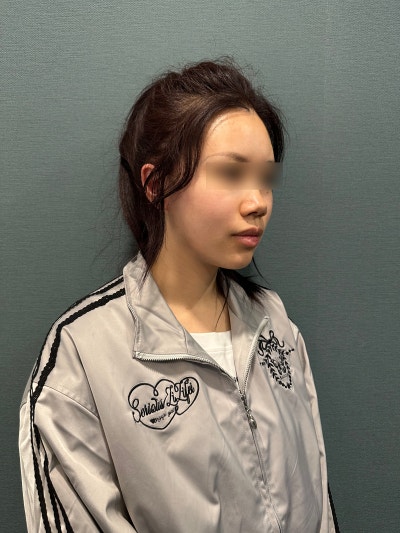
The key is not to insert many threads, but to set the direction accurately.
Furthermore, considering the structure of the retaining ligaments, adjusting the depth and angle ensures long-term stability.
Which choice is more appropriate?
If skin elasticity degradation is in its early stages, Ultherapy may be sufficient for management.
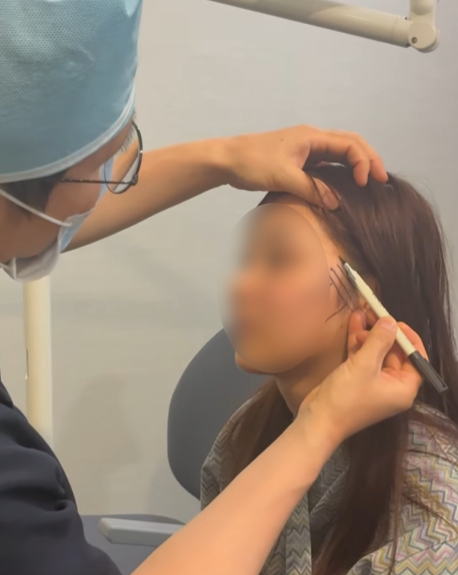
However, if the lower part of the face already looks heavy and the nasolabial folds have deepened, a thread lift is structurally more suitable.
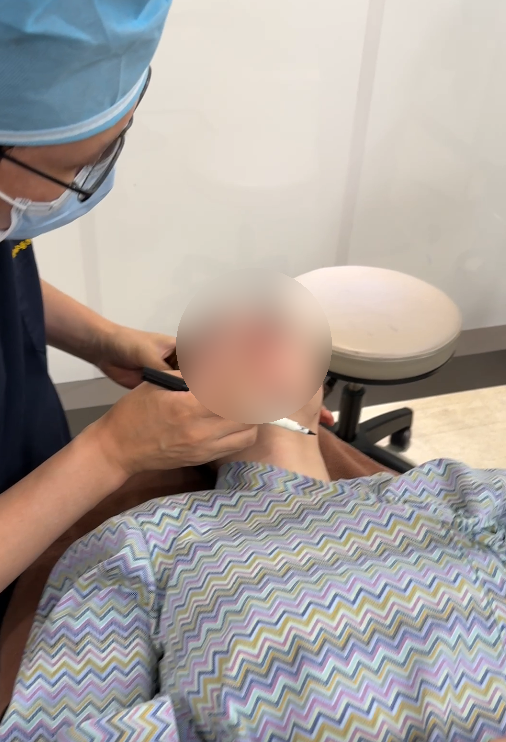
The burden of pain, swelling, and bruising varies individually, but can be adjusted according to the intensity and scope of the procedure.
What is important is not the trend or the name of the device, but choosing the method that suits your current facial condition.
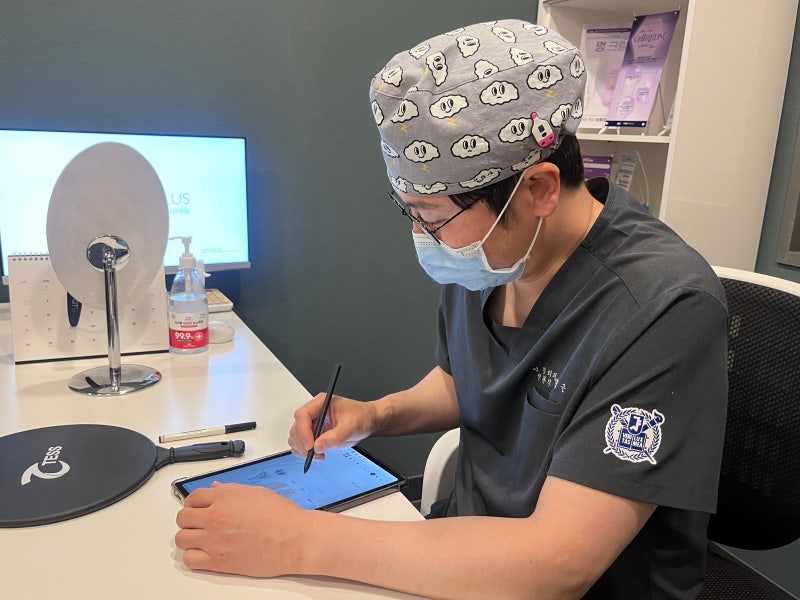
Satisfaction can be increased by accurately analyzing the cause of sagging through a diagnosis by a plastic surgeon before proceeding.
Please consult sufficiently to determine the direction that suits your face.
-Operating Hours-
Weekdays 9:00 ~ 18:00 Saturdays 9:00 ~ 16:00 Public Holidays / Sundays Regular Holiday |
-Contact Us-
Faceplus Plastic Surgery Clinic | ||
Consultation Phone: 02-541-8500 Inquiries: KakaoTalk Inquiry |
-Directions-
Thread lift for sagging cheeks
Frequently Asked Questions
Why do cheeks sag?
Cheek sagging is caused not only by a decrease in skin elasticity but also by a complex interplay of various layers, including the skin, fat layer, retaining ligaments, and fascial layer. Often, it occurs when the fat layer moves downwards, creating weight and causing sagging.
Is Ultherapy always effective for sagging cheeks?
No, Ultherapy can be effective for improving skin elasticity and reducing fine wrinkles, but its ability to physically lift already descended cheek fat is limited. For sagging cheeks with clear fat layer displacement, the perceived change may be less than expected.
In what cases is a thread lift recommended?
A thread lift is recommended as a more direct method when sagging cheeks are prominent and the center of gravity of the midface has descended. It involves using special threads to physically move sagging tissue upwards, thereby changing its actual position.
Which procedure should I choose: Ultherapy or a thread lift?
If skin elasticity degradation is in its early stages, Ultherapy may be sufficient for management. However, if the lower part of the face looks heavy and the nasolabial folds have deepened, a thread lift is structurally more suitable. It is important to choose the method that suits you after an accurate diagnosis by a plastic surgeon.
How long do bruising and swelling last after a thread lift?
Bruising and swelling vary individually but are generally temporary. They can be adjusted according to the intensity and scope of the procedure. Excessive thread insertion can lead to unnatural results, so accurate direction setting is crucial.