2025-05-15
Tummy Tuck: Do You Know the Precautions and Management Methods?
A tummy tuck removes loose abdominal skin and fat to create a firm, smooth abdominal contour. Achieving successful results requires detailed management from pre-operative preparation to the recovery process. This article will delve into important information to know before and after a tummy tuck.
A tummy tuck is a surgical procedure that removes loose abdominal skin and fat to create a firm and smooth abdominal contour. To achieve successful results, detailed management is required from pre-operative preparation to the recovery process. In this article, we will explore important information to know before and after a tummy tuck in detail.
1. Pre-operative Preparations for a Tummy Tuck
If you are planning a tummy tuck, thorough preparation is essential. First, you must stop taking medications that can affect blood clotting starting two weeks before the surgery.

In particular, anti-inflammatory drugs like aspirin or ibuprofen, and health supplements such as vitamin E and omega-3, can increase the risk of bleeding, so caution is needed.
You will undergo basic examinations to confirm your health status before surgery.

Blood tests, electrocardiograms, and chest X-rays will be performed to assess your suitability for general anesthesia. If you have chronic conditions such as diabetes, high blood pressure, or thyroid disease, it is important to consult with your doctor before surgery to optimize your condition.
Fasting is required immediately before surgery. Typically, you should stop eating 8 hours before surgery and avoid drinking water 2 hours prior. On the day of surgery, you should not wear makeup or accessories and should visit the medical facility in comfortable clothing.
2. Initial Post-operative Care After a Tummy Tuck
Immediately after a tummy tuck, a compression bandage or gauze dressing is applied to the abdomen. This helps reduce swelling and supports the new abdominal contour. Small drains may also be inserted to prevent fluid accumulation in the area.
In the early post-operative period, you may experience moderate pain, but this can be managed with prescribed painkillers.
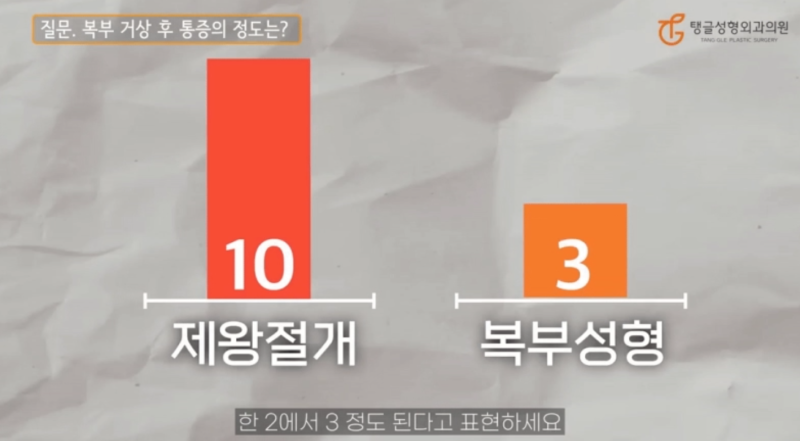
Many patients describe the pain from a tummy tuck as relatively tolerable compared to the pain after a C-section.
Posture management is also important. For about two weeks after surgery, you should maintain a slightly bent posture at the waist. This reduces tension on the suture lines, aiding wound healing and alleviating pain. When getting out of bed, it is best to roll onto your side and move slowly.
3. The Importance of Compression Garments After a Tummy Tuck
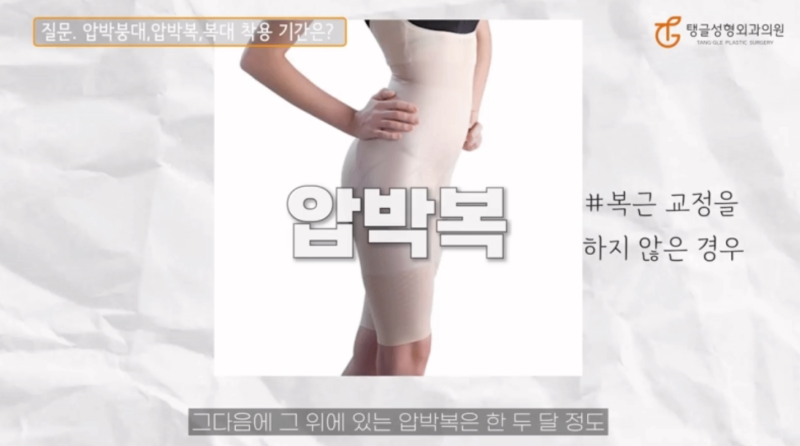
Wearing a compression garment after a tummy tuck is one of the crucial aspects of the recovery process. The compression garment reduces swelling, helps the skin conform to the new contour, promotes blood circulation, and reduces the risk of blood clots.
Typically, a compression bandage is applied immediately after surgery, then replaced with a compression garment, which is worn for about 4-6 weeks. Initially, it is worn 24 hours a day, and then the wearing time is gradually reduced.
Even if the compression garment is uncomfortable, consistently wearing it as recommended by your doctor significantly impacts the final results. When wearing the compression garment, be careful not to make it too tight, and regularly check your skin condition to ensure there are no problems.
Even while wearing the compression garment, light movement and walking are encouraged, as they promote blood circulation and aid recovery.
4. Scar Management After a Tummy Tuck
A tummy tuck inevitably leaves scars. Typically, a long horizontal scar forms above the pubic bone, and a small scar may also remain around the navel. Fortunately, these scars are located in positions that can be covered by underwear or swimwear.
Scar management should begin approximately two weeks after surgery and continue for up to six months. Consistently applying the scar ointment prescribed by your doctor twice a day and using silicone sheets can minimize scar development.
It is important to protect the scarred area from direct sunlight for at least six months and to apply sunscreen thoroughly when going outdoors. Since the degree of scar formation can vary from person to person, if you are prone to keloids or hypertrophic scars, it is advisable to inform your doctor in advance and consult about proactive scar management methods.
A tummy tuck can achieve satisfactory results with appropriate care and patience. Thoroughly following pre-operative preparations and post-operative instructions is key to a successful recovery. If you are considering a tummy tuck, please refer to the information provided in this article for preparation, and consult with a specialist for more specific details.