2025-05-01
Abdominoplasty: Is It Really Necessary?
Learn about the necessity of abdominoplasty, especially after liposuction, and when it's recommended.

The abdomen is a part of our body
that moves actively every day.
It expands and contracts with every breath,
and moves frequently in daily life.
Due to these characteristics,
post-abdominal surgery care and
the recovery process are crucial.
Today, we would like to provide objective information
on the necessity of abdominoplasty,
which many people are curious about,
and skin sagging that can occur after liposuction.
1. When Abdominoplasty is Necessary
Abdominoplasty is usually considered
for individuals with moderate to severe
abdominal obesity or severely sagging skin.
Specifically, abdominoplasty may be recommended in situations like the following:
- Severely sagging abdominal skin after childbirth
- Loss of elasticity after rapid weight loss that has not returned
- Severe skin sagging that is difficult to resolve with liposuction alone
- Deep wrinkles above or below the navel requiring skin excision
Abdominoplasty is not simply about removing fat;
it is a procedure that excises stretched skin
and tightens the abdomen.
Therefore, it may be more suitable
when skin sagging, rather than abdominal fat,
is the primary concern.
2. The Relationship Between Post-Liposuction Sagging and Abdominoplasty
When planning liposuction surgery,
the probability of post-surgical skin sagging
is considered in the plan.
During the liposuction process, it's not just about
removing fat; it's important to form adhesions
so that the skin can reattach well to its original position.
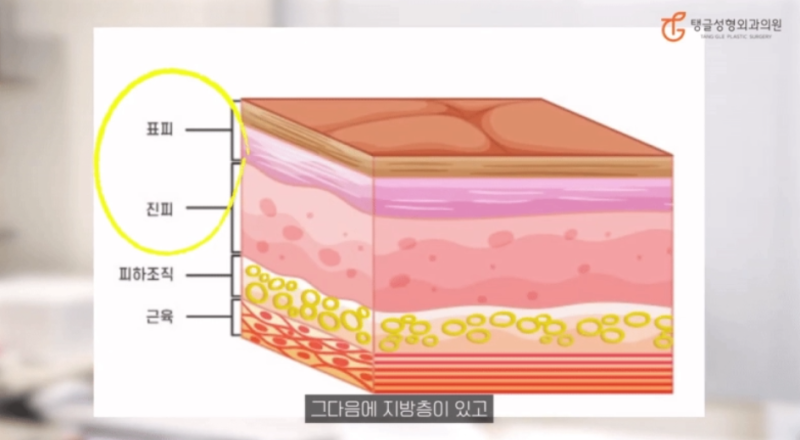
If good adhesion occurs,
most patients tend to see gradual improvement
in skin sagging over time.
In such cases, abdominoplasty may not be necessary.
Often, after about 4-6 months post-surgery,
the skin recovers, and a lifting effect can be observed.
3. Improving Sagging Without Abdominoplasty
Not all abdominal liposuction patients
require abdominoplasty.
In these cases, good results can be expected
without abdominoplasty:
- Patients who underwent liposuction for moderate or less fat
- Younger patients with relatively good skin elasticity
- Cases where good adhesion was formed during surgery
- Cases where post-surgical care, such as wearing a compression garment, was diligently followed

Under these conditions, with liposuction alone,
the skin can gradually return to its original position
and sagging can improve over time.
4. Determining the Necessity of Abdominoplasty
The medical factors to consider are as follows:
- Patient's age and elasticity
- Degree of abdominal skin sagging
- Thickness and distribution of the fat layer
- Type and extent of previous surgeries
- History of pregnancy or childbirth
It is important to comprehensively consider
these factors to determine the necessity of abdominoplasty.

Even if there is sagging after liposuction,
it is better to observe the changes over a sufficient recovery period
rather than immediately considering abdominoplasty.
Abdominoplasty is not a procedure necessary for everyone,
and it should be approached differently based on an individual's condition
and desired results.
Even if there is skin sagging after liposuction,
it often improves over time, so it's important
to observe the changes over a sufficient recovery period.
If severe sagging persists after liposuction,
causing discomfort in daily life or appearance,
then abdominoplasty can be considered.
It is important to find the appropriate method for yourself
through consultation with medical professionals.
If you are considering abdominal surgery,
please gather sufficient information and consult with an expert
to choose the method suitable for your condition.