2025-06-12
Abdominoplasty: Worried About Side Effects?
Considering abdominoplasty but worried about side effects? This article explains common side effects like bleeding, seroma, infection, necrosis, and scarring, and how to manage them.

You're considering abdominoplasty, and you're really worried about side effects, aren't you?
I understand that feeling.
Surgery itself can be daunting, and I've seen many people lose sleep over the possibility of unforeseen problems.
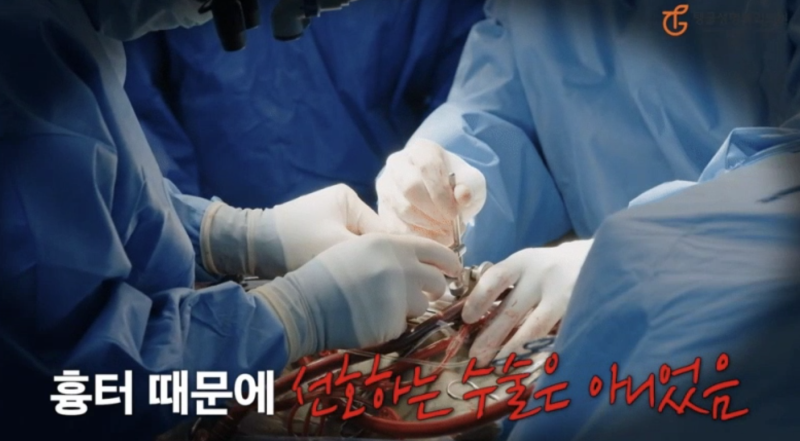
I'll frankly and clearly explain the side effects you might experience after abdominoplasty.
Knowing these in advance can significantly reduce vague anxieties.
1. Why is abdominoplasty necessary?
Are you stressed about loose skin on your abdomen after childbirth, or unsatisfied with your appearance due to sagging skin even after dieting?
Abdominoplasty can be the solution to these concerns.
It's a surgery that tightens abdominal skin that has naturally lost elasticity with age.
It's not just about removing fat; it also involves removing excess skin to create a natural abdominal line.
These days, perceptions of scars have changed significantly, and more people are prioritizing the improvement of sagging contours.
2. Post-abdominoplasty bleeding: How to respond
Bleeding is likely one of your primary concerns after surgery.
Abdominoplasty requires a large incision, so there is indeed a risk of bleeding.

If bleeding continues, it can lead to a hematoma, where blood collects in one area.
In such cases, additional treatment or, depending on the situation, revision surgery might be necessary.
But don't worry.
Most cases occur early, immediately after surgery, so medical professionals can closely monitor and respond promptly.
If you experience any unusual symptoms at home, don't hesitate to contact us immediately.
3. Preventing seroma and infection after abdominoplasty
After surgery, a seroma, where fluid collects in the empty space, can occur.
You might feel a hardened area or swelling under your abdomen.
Most seromas are naturally absorbed over time, but sometimes a minor procedure may be needed to remove them.
To prevent this, it's important to rest after surgery and take your prescribed medication diligently.
Infection is a concern with all surgeries.
Similarly, after abdominoplasty, you must keep the wound area clean and take prescribed antibiotics at the specified times.
If the wound area becomes red, inflamed, or produces pus, come to the medical facility immediately.
It can be resolved with prompt treatment.
4. Necrosis and scar management after abdominoplasty
If blood circulation is not smooth, skin necrosis can occur.
This primarily happens immediately after surgery, but it can be prevented with appropriate surgical techniques and post-operative care.
If your skin turns black or emits an unusual odor, immediate treatment is required.

If detected early, it can be resolved with minimal treatment.
Scars after abdominoplasty are a concern for everyone.
Initially, they may appear red and prominent, but they gradually fade over time.
Consistently applying scar management cream and diligently using sun protection can lead to better results.
5. Abdominoplasty: Advice for a wise choice
Abdominoplasty is certainly a solution, but it's true that there's a possibility of side effects.
However, by being aware of these risks in advance and preparing, you can prevent and manage them.
Before deciding on surgery, have a consultation and get all your questions answered.
And after surgery, simply follow the medical team's instructions precisely.