2026-09-03
Mini-Ting Thread Lift: When Can It Help? Explaining the Lifting Effect for Sagging Faces
The Mini-Ting Thread Lift is a minimally invasive procedure that helps redefine facial contours, particularly for early to moderate sagging. It differs from Mint and Aptos threads in its unique 360-degree cone-shaped barbs, offering stable tissue support and a natural-looking lift with quick recovery.

※ This article is intended to provide medical information.
It is not subject to deliberation under Article 56, Paragraph 2 and Article 57 of the Medical Service Act,
and is not an advertisement unrelated to the deliberation content.
Hello,
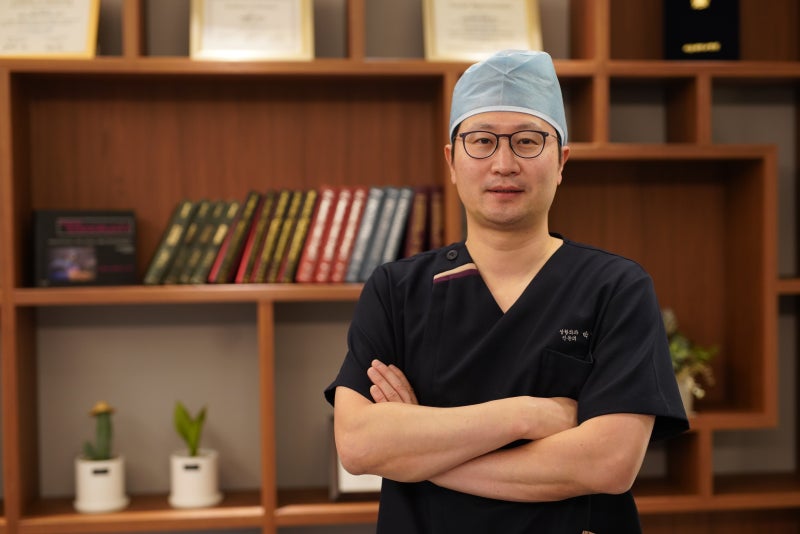
I am Dr. Park Jung-geun,
Director of Faceplus Plastic Surgery Clinic,
specializing in Mini-Ting Thread Lifts.
During consultations, I receive many questions
about various types of threads.
Among them, Mint threads, Aptos, and the Mini-Ting Thread Lift
are frequently mentioned.

The Mini-Ting Thread Lift approaches facial contouring
by supporting sagging tissues upwards.
Unlike surgeries that involve incisions, it is known as a relatively
less burdensome method, which I often explain during consultations.
It is particularly considered when the lower cheek tissues descend,
making the facial contours appear heavy.

The Mini-Ting Thread Lift is often applied to refine facial contours
in the early stages before severe sagging progresses.
However, its applicability may vary depending on an individual's skin condition
and elasticity.
Differences between Mint Threads and Mini-Ting Thread Lifts
One of the commonly used threads in thread lifting is the Mint thread.
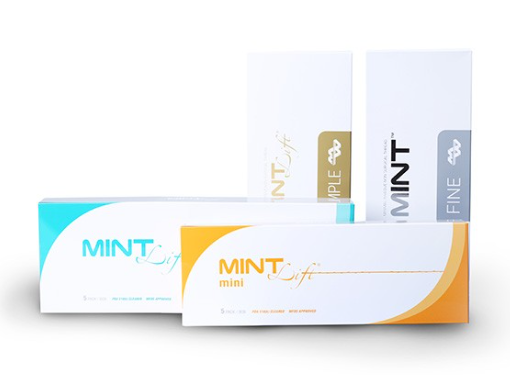
Mint threads have barbs arranged in a specific direction,
creating a structure that hooks onto tissues.
In contrast, the threads used in Mini-Ting Thread Lifts are designed
with different barb shapes and arrangement methods.
They have a structure with barbs placed in a 360-degree direction,
which results in a slightly different way of holding tissues.

This structural difference can create variations in how tissues are supported.
In actual consultations, we determine which thread is more suitable
based on the location of facial sagging and skin thickness.
Rather than simply stating that one type of thread is always better,
selecting the right option for the facial structure is important.
Differences between Aptos and Mini-Ting Thread Lifts
Aptos is also one of the well-known thread types.
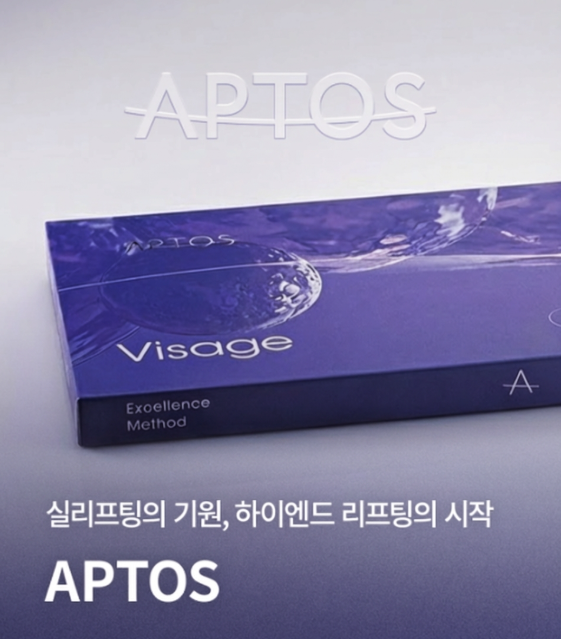
Aptos threads have a barb structure arranged in one direction on the thread's surface,
which works by hooking onto tissues and pulling them upwards.
In other words, you can understand it as a structure that lifts sagging tissues
based on the direction in which the thread is inserted.
Conversely, the threads used in Mini-Ting are characterized by
circular, protruding cone-shaped structures.
Instead of barbs hooking in one direction,
the circular structure supports and fixes tissues from multiple directions.
Simply put, Aptos is closer to a method that hooks and pulls tissues,
while Mini-Ting is designed to support tissues with its cone structure
and maintain their position stably.

Due to these structural differences, there can be variations in how tissues are held
and the sensation of fixation.
During consultations, we assess the location of facial sagging, skin thickness, and elasticity
together to determine which thread is more suitable.
Advantages of Mini-Ting Thread Lift
The Mini-Ting Thread Lift is a method often discussed in consultations
when aiming for relatively natural changes in facial contours.
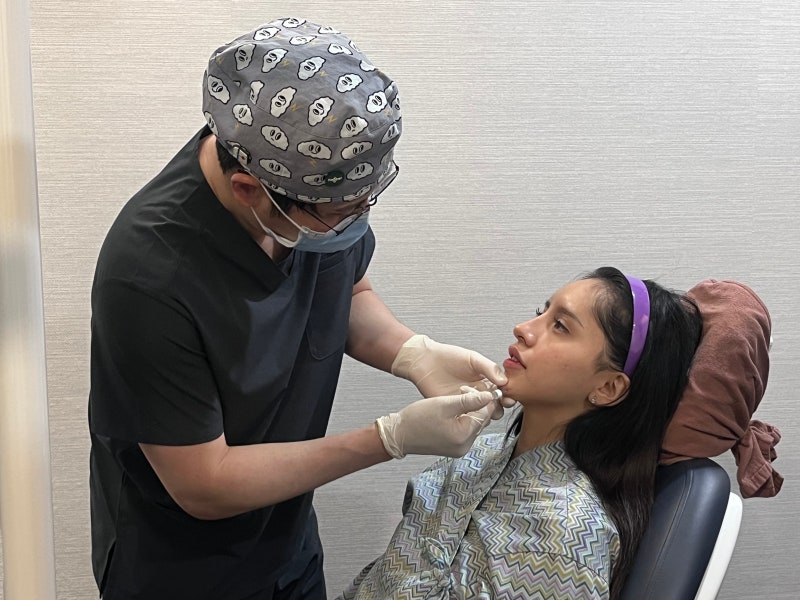
It is particularly considered when the lower cheek tissues descend,
making the facial contours appear heavy.
Its advantages also include a relatively short procedure time
and quick return to daily life.
Furthermore, some expect positive changes in skin elasticity
as collagen formation is induced during the absorption process of the threads in the body.

During consultations, these factors are reviewed together,
and the appropriate approach is explained.
-Operating Hours-
Weekdays 9:00 ~ 18:00 Saturdays 9:00 ~ 16:00 Public Holidays / Sundays Regular closure |
-Contact Us-
Mini-Ting Thread Lift Faceplus Plastic Surgery Clinic | ||
Consultation Phone: 02-541-8500 Inquiries: KakaoTalk Inquiry |
-Directions-
Mini-Ting Thread Lift
Frequently Asked Questions
When is the Mini-Ting Thread Lift suitable?
The Mini-Ting Thread Lift is suitable for those who wish to refine their facial contours in the early stages before severe sagging progresses. It can be considered particularly when the lower cheek tissues descend, making the facial contours appear heavy. Consultation is important as its applicability may vary depending on an individual's skin condition and elasticity.
How does the Mini-Ting Thread Lift differ from Mint threads?
The Mini-Ting Thread Lift and Mint threads differ in the shape and arrangement of their barbs. Mint threads have barbs arranged in a specific direction to hook onto tissues, whereas Mini-Ting Thread Lifts have barbs placed in a 360-degree direction, resulting in a different way of holding tissues.
What are the main differences between the Mini-Ting Thread Lift and Aptos thread lift?
The Mini-Ting Thread Lift and Aptos thread lift differ in how they support tissues. Aptos works by hooking onto tissues with barbs on the thread's surface and pulling them upwards, while Mini-Ting uses a circular cone structure to support and stably fix tissues from multiple directions.
What are the advantages of the Mini-Ting Thread Lift?
The Mini-Ting Thread Lift aims for relatively natural changes in facial contours, and its advantages include a short procedure time and quick return to daily life. Additionally, as the threads are absorbed, collagen formation is induced, which can lead to positive effects on skin elasticity.
When can I return to daily life after a Mini-Ting Thread Lift procedure?
The Mini-Ting Thread Lift has the advantage of a relatively short procedure time and a quick return to daily life. While the specific recovery time may vary individually, it is generally known for its fast recovery.