2026-09-07
Dongdae Entrance Station Dental Clinic: Gum Swelling and Bleeding – Periodontal Disease Issues
Learn about periodontal disease, its symptoms like gum swelling and bleeding, and how Dongdae Entrance Station Dental Clinic offers comprehensive treatment from scaling to advanced surgical procedures.
Dongdae Entrance Station Dental Clinic: Gum Swelling and Bleeding – Periodontal Disease Issues
Humans continuously grow for about 20 years after birth, and once growth ceases, they experience aging. This aging process gradually leads to various problems with teeth and gums. In particular, as gums weaken, the force holding the teeth diminishes, creating gaps. Through these gaps, oral bacteria can invade, causing inflammation that makes teeth wobbly, and in severe cases, can lead to the loss of permanent teeth, making various oral diseases more likely to occur.
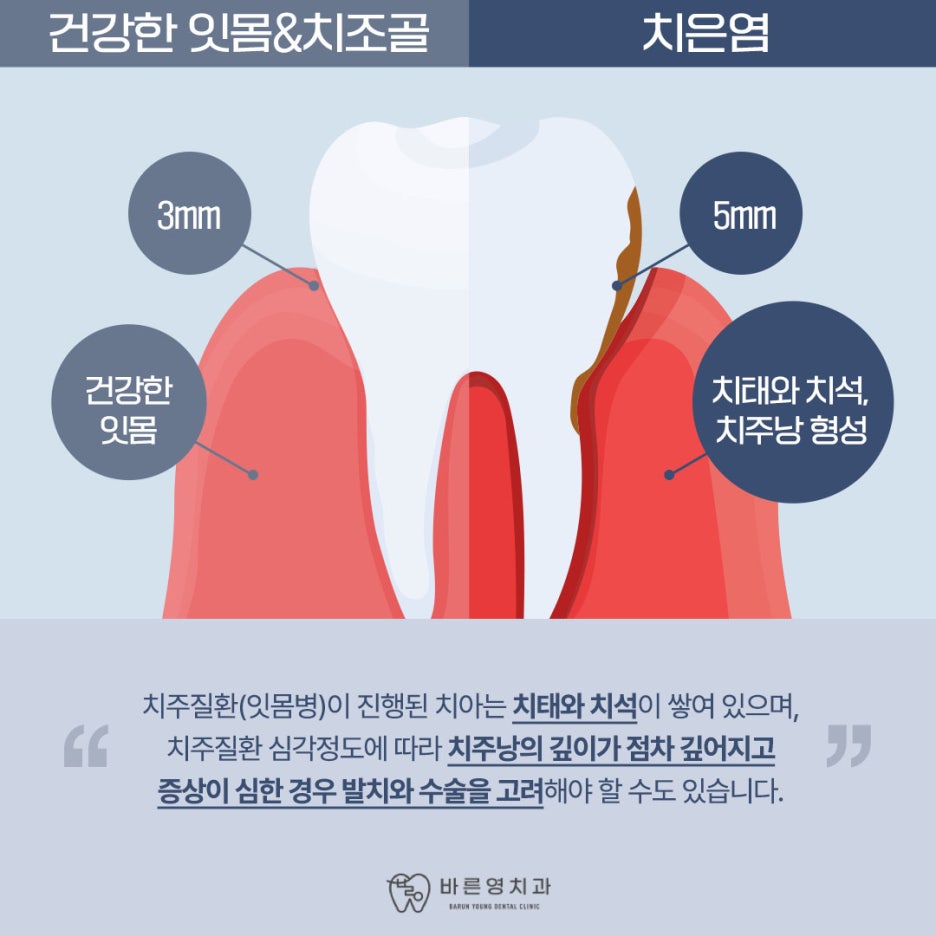
Among these, periodontal disease, often called gum disease, doesn't just stay confined to the gums but can affect adjacent teeth, potentially leading to tooth loss in severe cases. More than anything, gum problems can disrupt daily life, causing constant worry. When speaking or eating, or even when resting, one might experience sensitivity, throbbing pain, or swelling in the gums, which is naturally concerning.
However, according to 2020 statistics from the Health Insurance Review & Assessment Service, periodontal disease ranks as the most common outpatient condition, yet many people are unaware of its dangers.
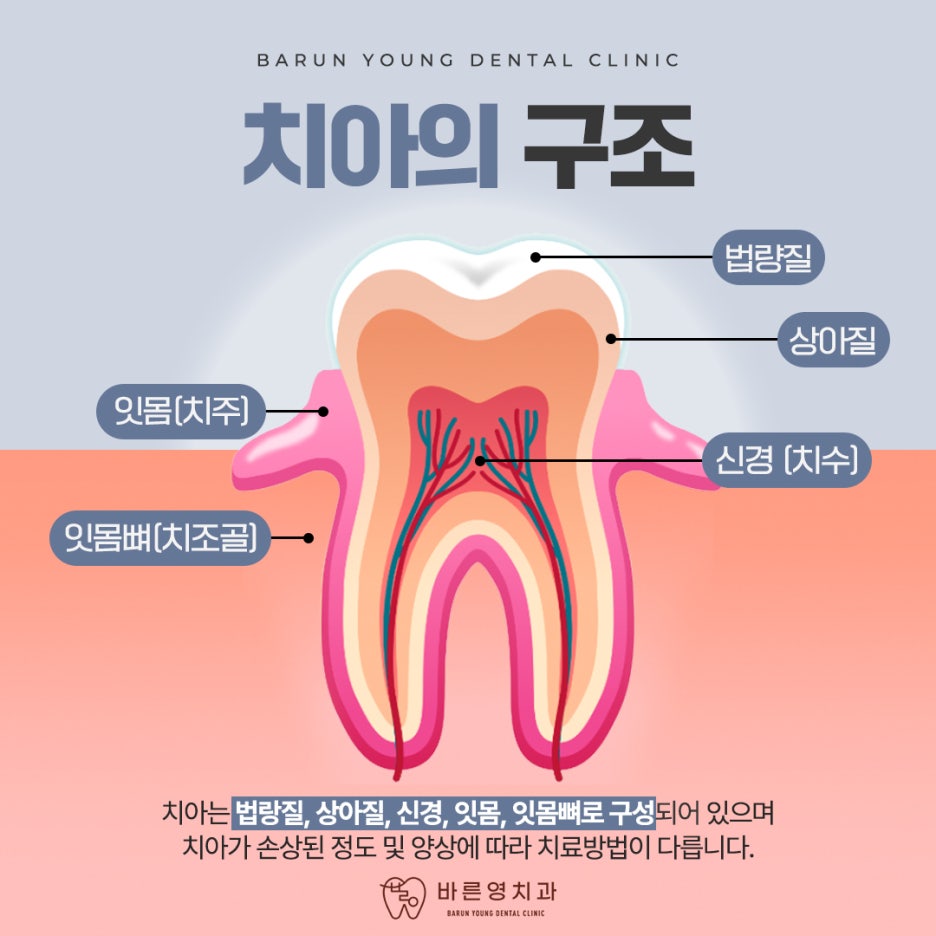
Our gums are actually composed of the gingiva, periodontal ligament, and alveolar bone. The gingiva, which is the gum area, protects the teeth by encasing them. The periodontal ligament within the gingiva connects the teeth to the gums and acts as a shock absorber when using the teeth. The alveolar bone serves as the framework that firmly holds the teeth.
Periodontal disease is when bacteria invade this gum structure and cause an inflammatory response. It is categorized into gingivitis and periodontitis stages depending on the extent of its manifestation.

Gingivitis is the stage where inflammation occurs between the tooth and gum, leading to symptoms such as bleeding or swelling of the gums. Periodontitis, on the other hand, is a more advanced stage of gingivitis where the gums recede, making teeth appear longer, causing bad breath, gum pus, and tooth mobility.
If periodontitis worsens, the alveolar bone can dissolve and be absorbed, failing to support the teeth and potentially leading to tooth loss. Therefore, if you notice early symptoms that might indicate periodontal disease, it's best not to ignore them but to promptly visit Dongdae Entrance Station Dental Clinic for appropriate treatment.
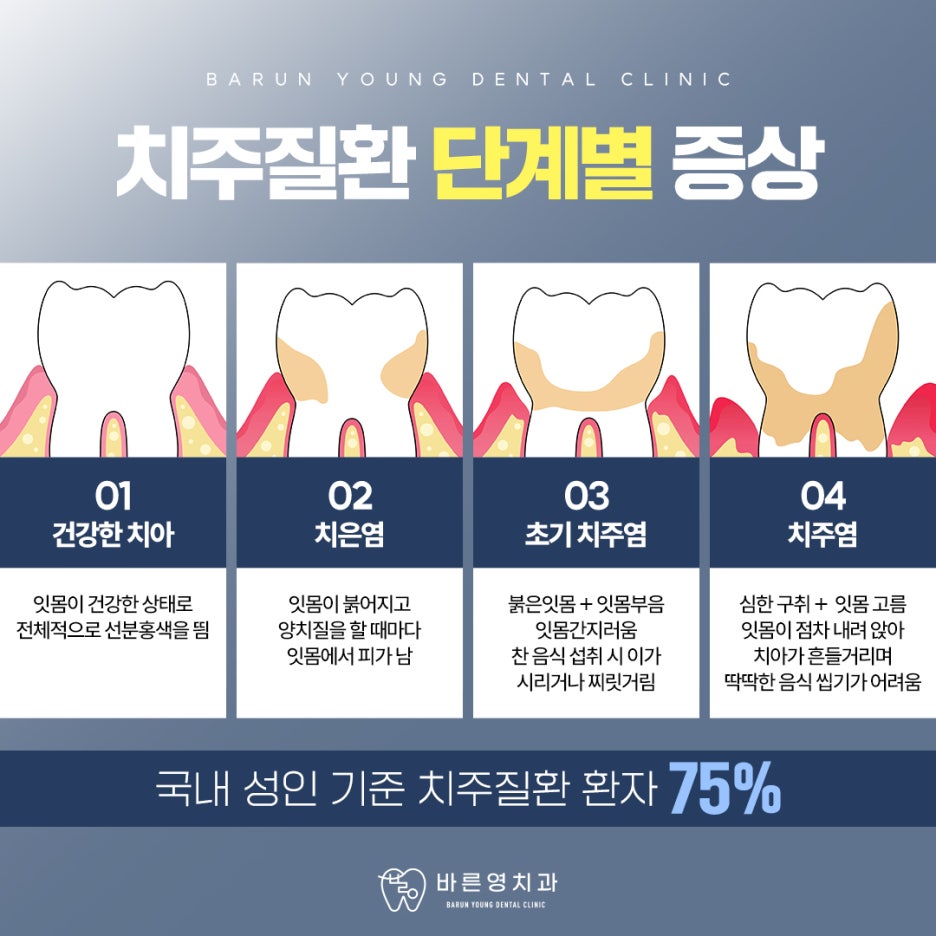
A typical symptom of gingivitis, the initial stage of periodontal disease, is bleeding gums. In the early stages, you might notice gum bleeding when brushing your teeth. As gingivitis progresses, symptoms like bleeding gums can occur not only when brushing but also when eating or even with slight pressure on the gums.
Therefore, if you frequently experience gum bleeding when brushing or repeatedly notice gum bleeding, you should visit Dongdae Entrance Station Dental Clinic without delay to check if periodontal disease is already progressing.
The causes of periodontal disease are incorrect brushing habits and the resulting tartar. It's important to develop habits such as brushing immediately after eating or, even if you brush, ensuring that the area where the teeth and gums meet is clean to prevent plaque, which forms tartar, from accumulating on the teeth.
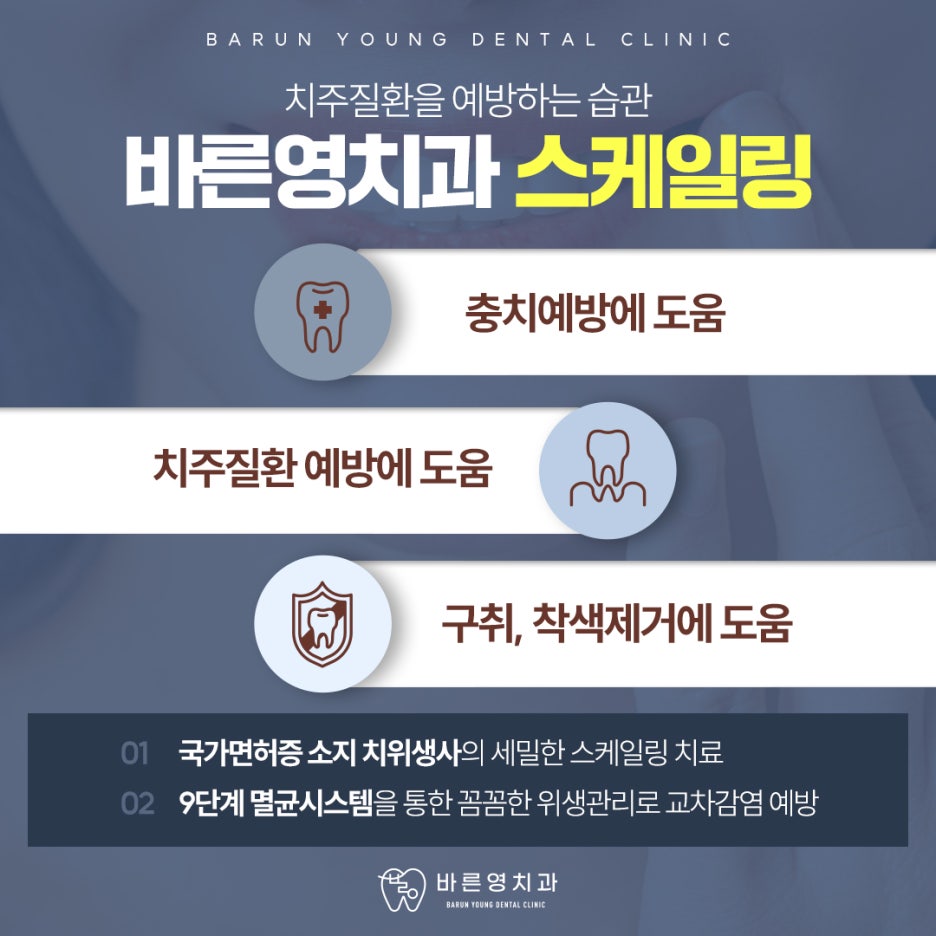
Especially if you have malocclusion where food frequently gets stuck, it's advisable to use interdental brushes or dental floss for a secondary cleaning. Regularly visiting Dongdae Entrance Station Dental Clinic for scaling to continuously remove tartar accumulated in narrow gaps that cannot be reached by brushing, interdental brushes, or floss, is a way to prevent periodontal disease.
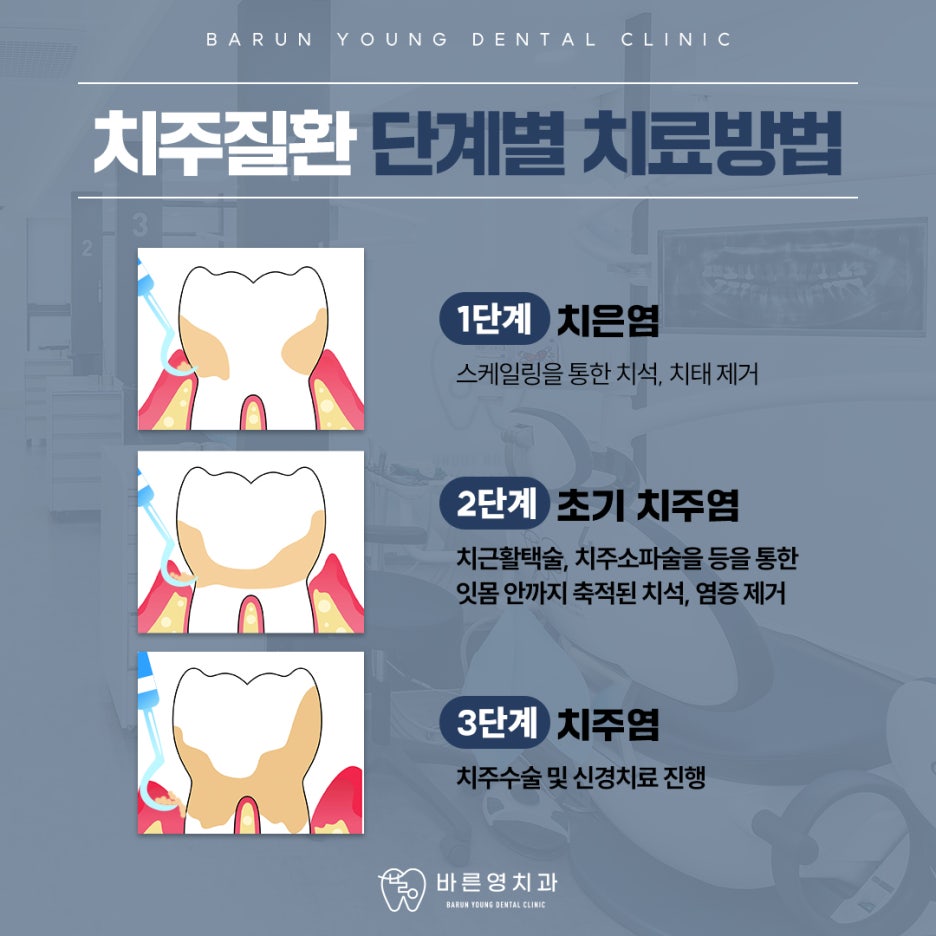
At Dongdae Entrance Station Dental Clinic, early-stage periodontal disease is treated with scaling (tartar removal) or root planing. For advanced periodontal disease that has progressed to periodontitis, we provide comprehensive surgical treatments to help improve symptoms.
Furthermore, we inform each patient about their appropriate scaling cycle and provide thorough explanations to help them adhere to regular scaling appointments.
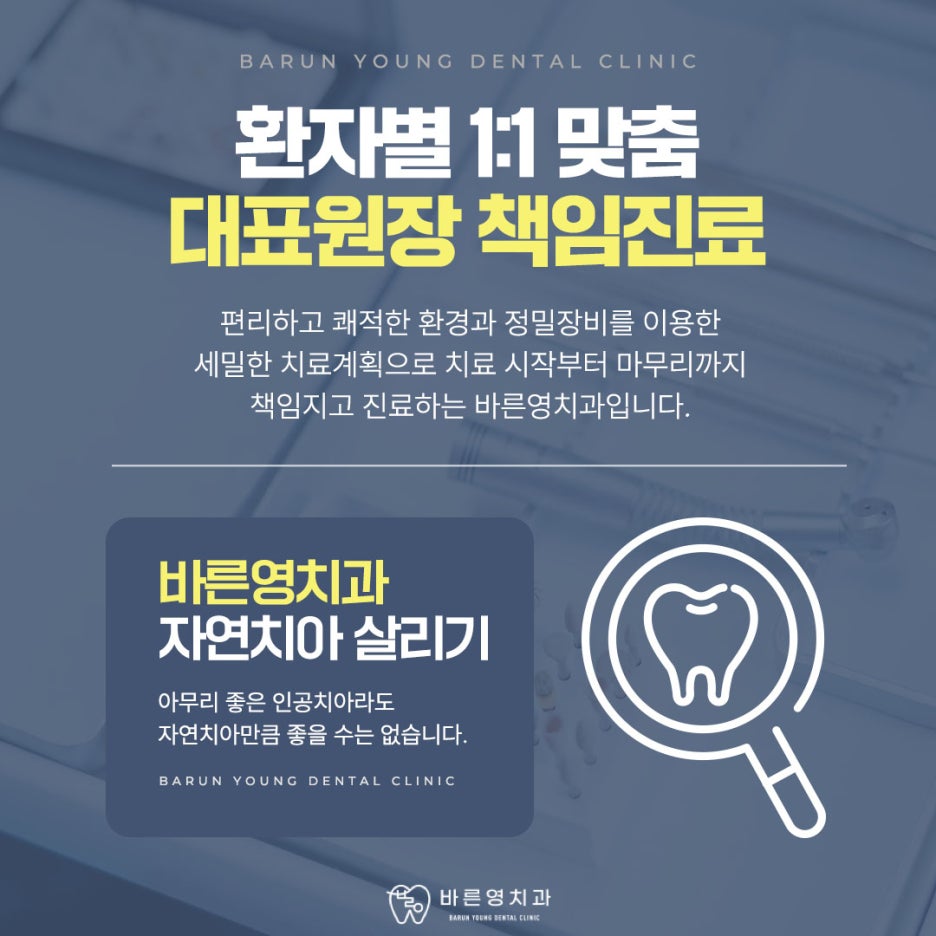
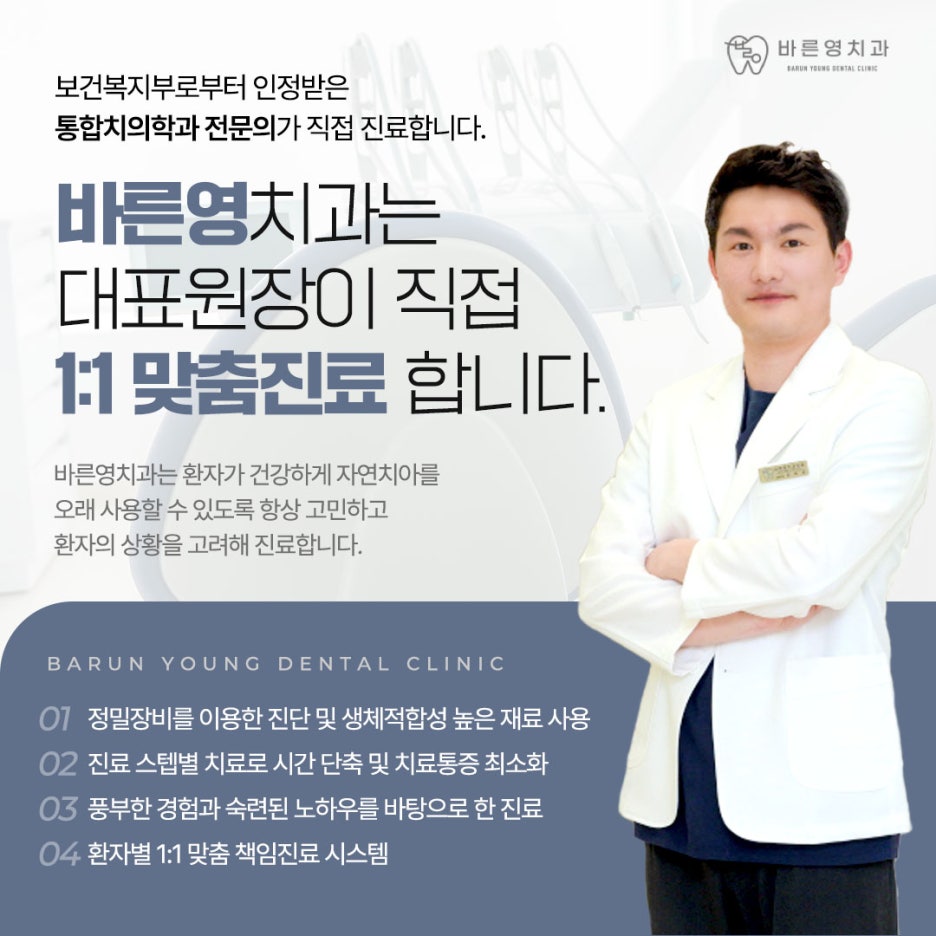
At Dongdae Entrance Station Dental Clinic, periodontal disease treatment is meticulously carried out by a board-certified specialist in integrated dentistry, from staged treatment to post-treatment care, tailored to each patient's condition. All treatments prioritize the preservation of natural teeth.
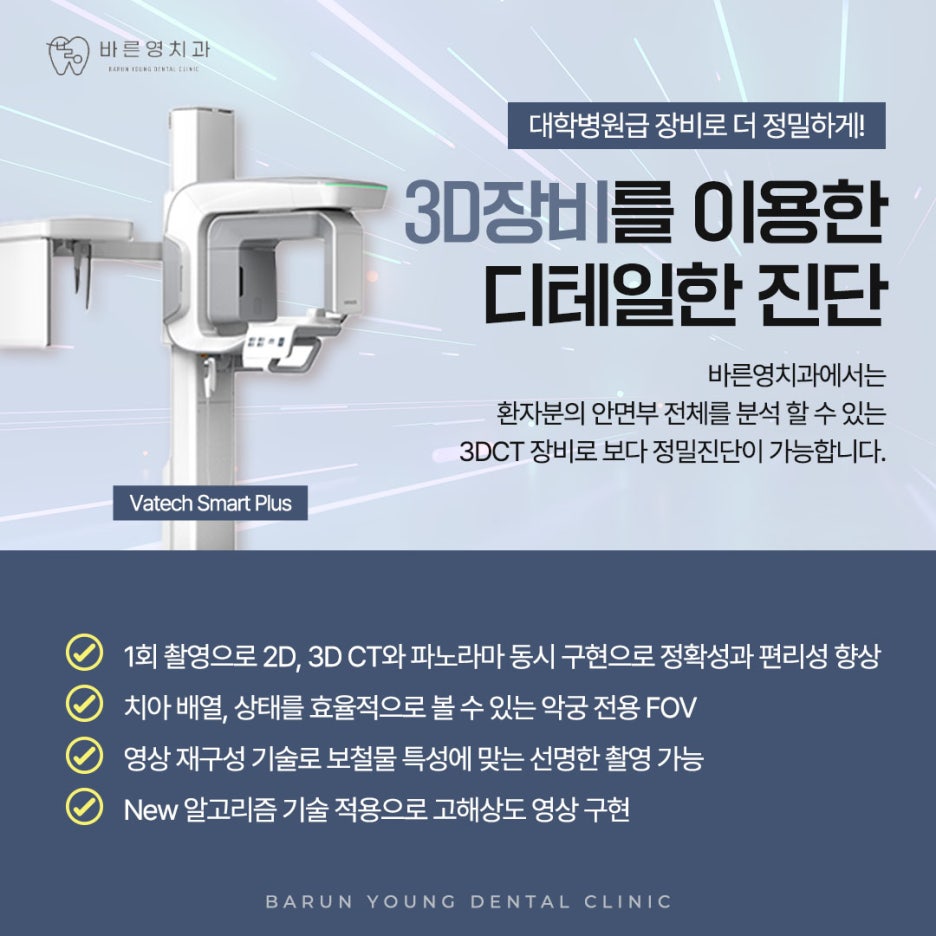
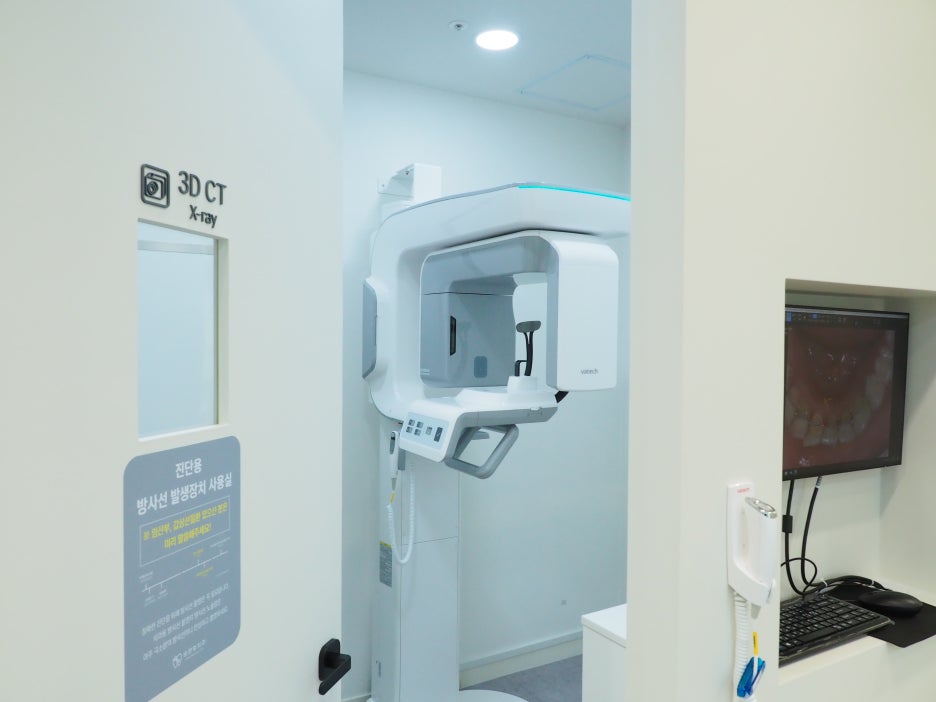
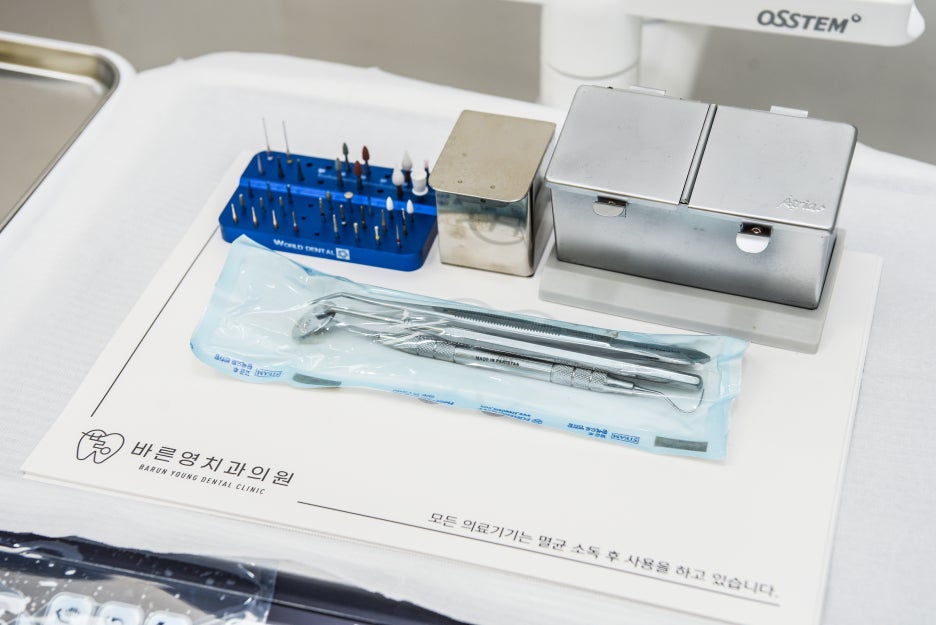
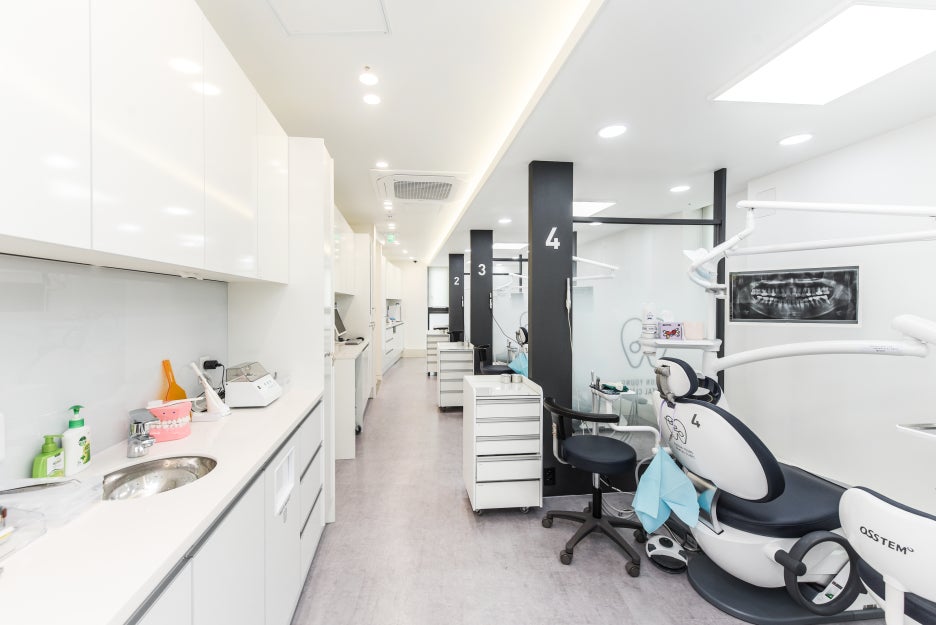
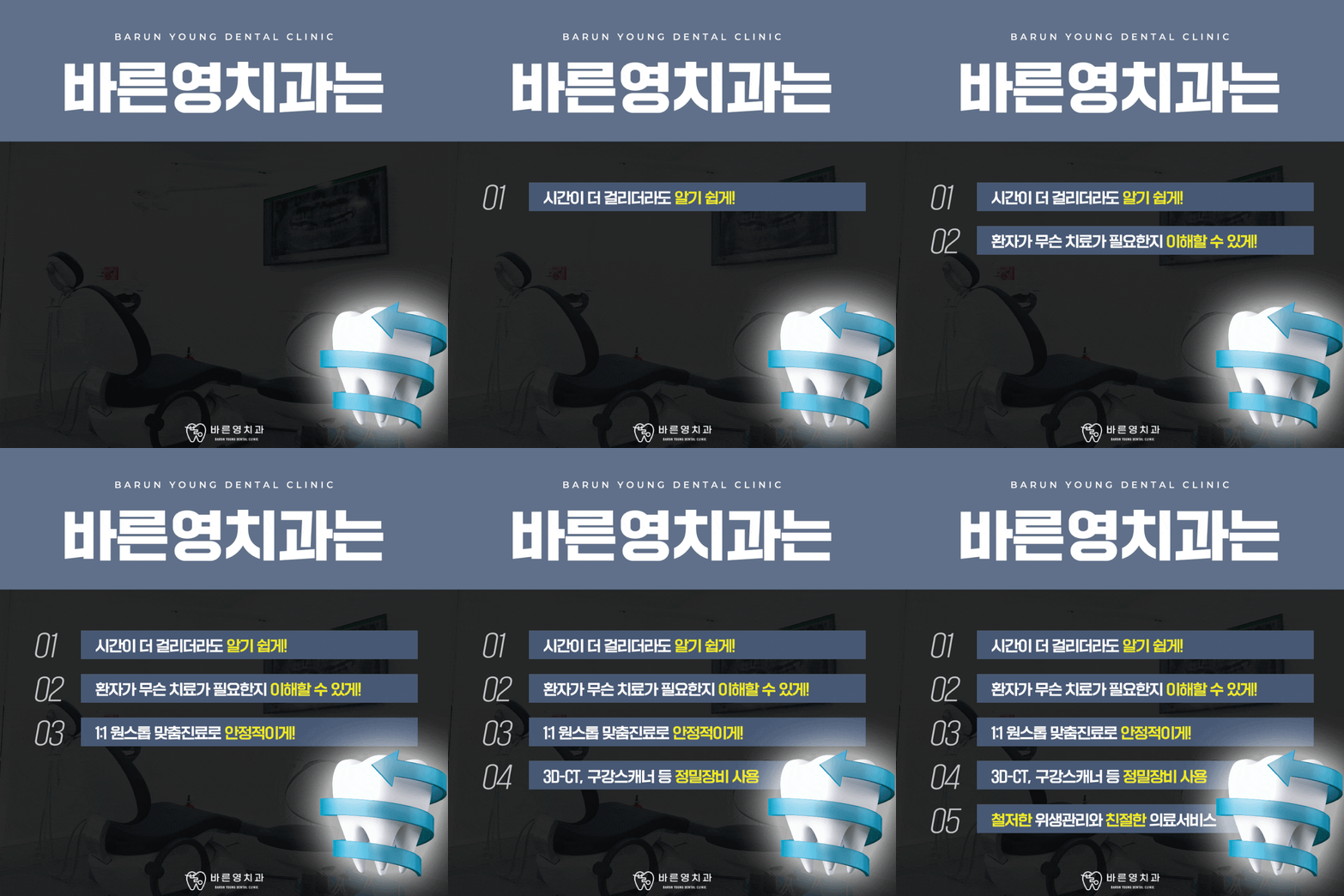
Dongdae Entrance Station Dental Clinic adheres to the principle of using one medical tool per patient for all treatments and emphasizes preventing cross-contamination between patients through meticulous 9-step sterilization management. Before treatment, we use 3D-CT precision diagnostic equipment to assess the patient's oral condition, even in areas not visible to the naked eye, and then provide customized treatment. For all treatments, we provide thorough explanations until the patient fully understands, no matter how long it takes, ensuring that patients receive stable dental care.
Furthermore, for patients who hesitate to receive dental treatment, including periodontal disease treatment, due to fear of pain, Dongdae Entrance Station Dental Clinic uses digital pain-free anesthesia and various other anesthesia methods such as gargle anesthesia and topical anesthesia to reduce patient anxiety.
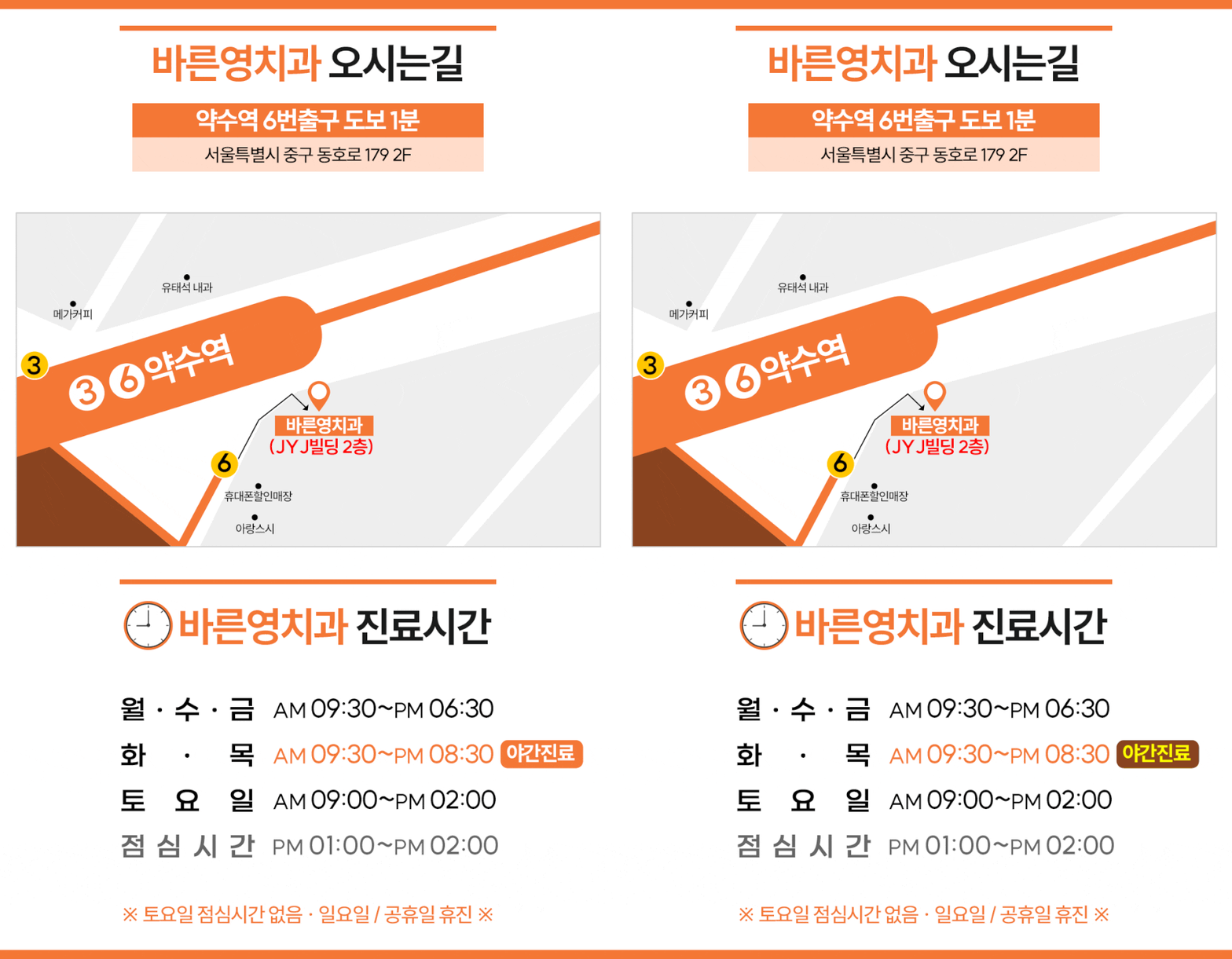
Located just a minute's walk from Yaksu Station Exit 6, Dongdae Entrance Station Dental Clinic offers evening appointments until 8:30 PM on Tuesdays and Thursdays. You can easily book an appointment via Naver Reservation, Kakao Channel, or phone inquiry.




Frequently Asked Questions
What is periodontal disease?
Periodontal disease is a condition where bacteria invade the gum structure and cause an inflammatory response. It is categorized into gingivitis and periodontitis stages depending on its manifestation.
What are the main symptoms of periodontal disease?
The typical early symptom of periodontal disease is gum bleeding. Other symptoms may include swollen gums, sensitivity, throbbing pain, bad breath, and loose teeth.
How can periodontal disease be prevented?
Periodontal disease can be prevented through proper brushing habits and regular scaling. It is important to use interdental brushes or dental floss to remove food debris and tartar.
How does Dongdae Entrance Station Dental Clinic treat periodontal disease?
At Dongdae Entrance Station Dental Clinic, early-stage periodontal disease is treated with scaling or root planing. For advanced periodontitis, a combination of surgical treatments is performed to help improve symptoms.
I am worried about pain during dental treatment.
Yes, Dongdae Entrance Station Dental Clinic strives to reduce the fear of pain by using various anesthesia methods such as digital pain-free anesthesia, gargle anesthesia, and topical anesthesia, ensuring patients can receive comfortable treatment.
What are the characteristics of dental care at Dongdae Entrance Station Dental Clinic?
Dongdae Entrance Station Dental Clinic provides customized treatment after precise 3D-CT diagnosis, prevents cross-contamination with the 'one tool per patient' principle and 9-step sterilization. We also prioritize the preservation of natural teeth in all treatments.