2026-07-14
If you're concerned about stuffy eyes? | When is Baba Plastic Surgery's epicanthoplasty and lateral canthoplasty needed, and what are the differences?
Many people considering eye surgery believe that a double eyelid surgery alone will create their desired eye shape. However, if the epicanthal fold covers the inner corner of the eye or the horizontal length of the eye is short, a double eyelid surgery alone may leave a stuffy feeling. In such cases, epicanthoplasty and lateral canthoplasty are considered.


Among those considering eye surgery,
many believe that a double eyelid surgery alone will create their desired eye shape.
However, if the epicanthal fold covers the inner corner of the eye or
the horizontal length of the eye is short,
a double eyelid surgery alone may leave a stuffy feeling.
One of the methods considered in such cases is
epicanthoplasty and lateral canthoplasty (upper canthoplasty).
Recently, rather than simply making the eyes significantly larger,
there's a growing preference for naturally expanding the eye shape
and achieving harmony with the overall face.
As a result, consultations for epicanthoplasty and lateral canthoplasty are also increasing.
How are Epicanthoplasty and Lateral Canthoplasty different?
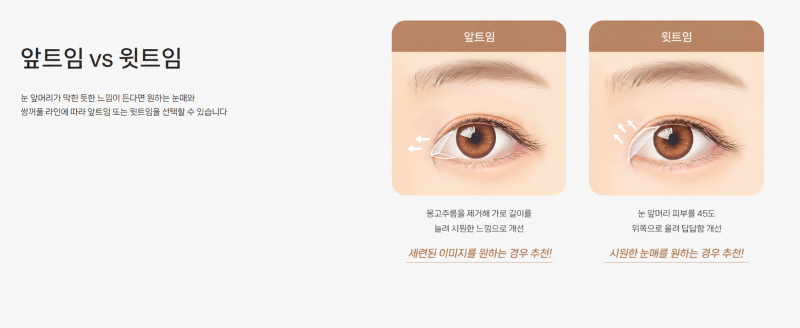
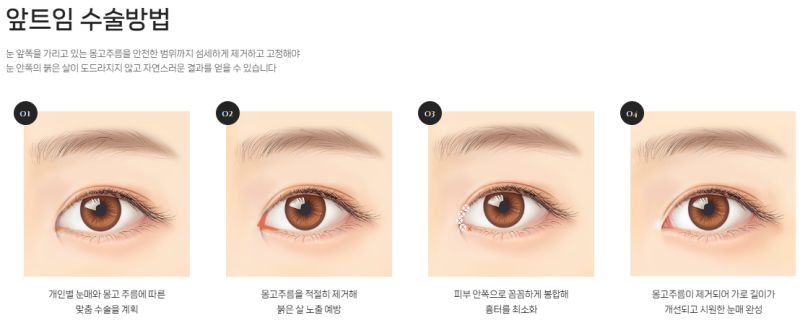
Both epicanthoplasty and lateral canthoplasty are surgeries that improve the inner corner of the eye,
but there are differences in the areas they improve and their objectives.
Epicanthoplasty improves the epicanthal fold,
which can help naturally extend the horizontal length of the eye
and improve a stuffy-looking impression.
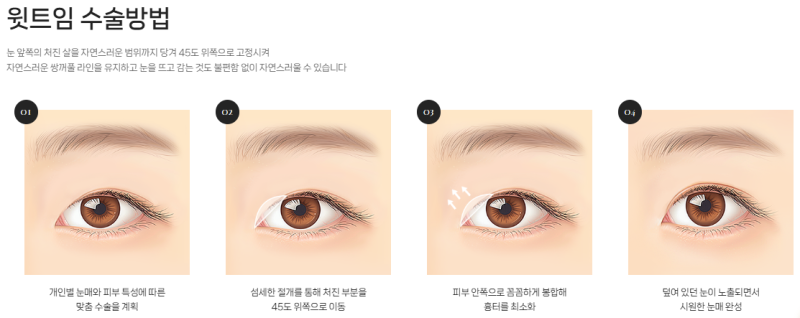
On the other hand, lateral canthoplasty (upper canthoplasty)
is a surgery that corrects the sagging skin at the inner corner of the eye upwards
to allow the front line of the double eyelid to appear more naturally.
Since the appropriate method may vary depending on the current eye condition and desired eye shape,
it is important to decide the direction through sufficient consultation.
When is Epicanthoplasty needed?
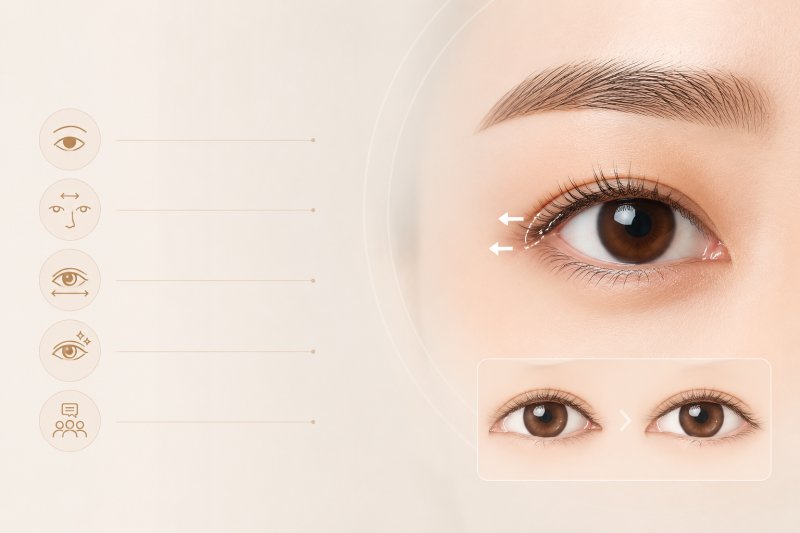
Epicanthoplasty can be considered when the epicanthal fold covering the inner corner of the eye
makes the eyes appear short or gives a stuffy impression.
In particular,
• In cases of severe epicanthal folds
• When the space between the eyebrows appears wide
• When the horizontal length of the eyes appears short
• When desiring a clear and open eye shape
consultations are often conducted in these situations.
Recently, rather than excessively opening the eyes,
the focus is on natural improvement while minimizing the exposure of the red caruncle.
When is Lateral Canthoplasty needed?
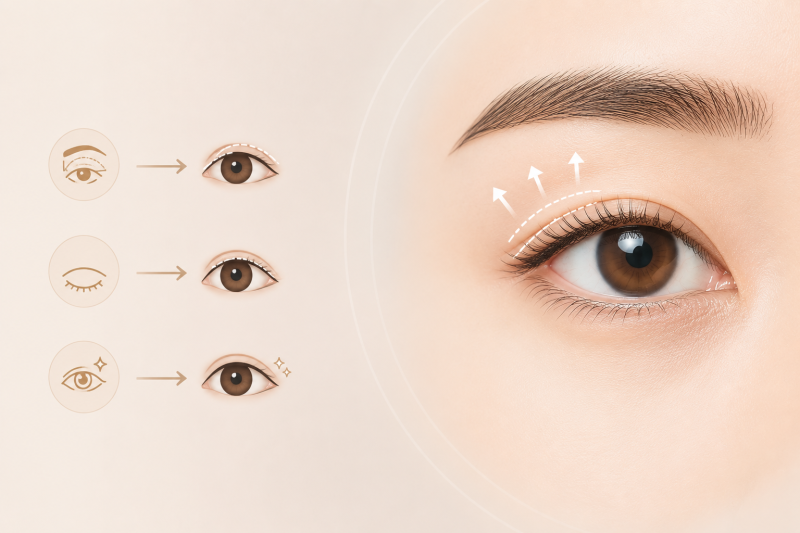
Lateral canthoplasty (upper canthoplasty)
can be considered when the skin above the inner corner of the eye is covered,
giving a stuffy feeling.
Consultations may also proceed, especially when the front line of the double eyelid is not clearly visible
or when one wishes to soften a strong-looking impression.
Lateral canthoplasty aims to create a more refreshing eye shape
by moving the sagging skin upwards within a natural range,
while maintaining the function of opening and closing the eyes.
Reasons for combining with Double Eyelid Surgery
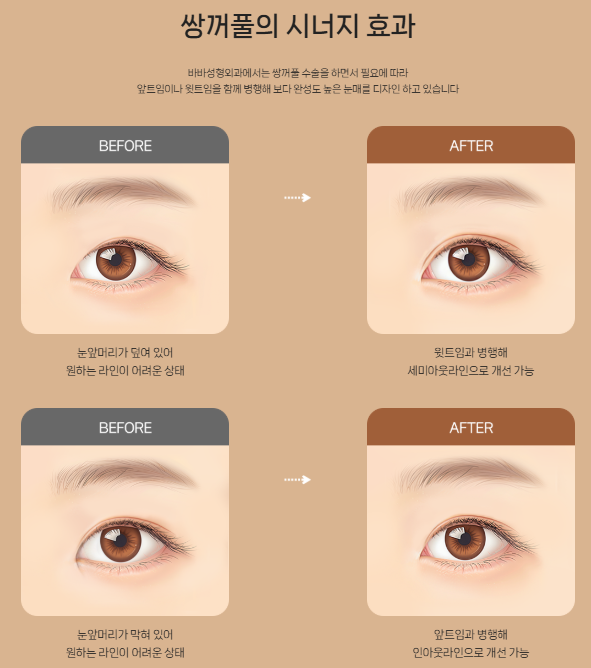
Epicanthoplasty and lateral canthoplasty
are sometimes performed alone,
but are often combined with double eyelid surgery.
This is because when the inner corner of the eye is covered,
the desired semi-out line or in-out line
may not be fully expressed.
After analyzing the current eye structure,
if necessary, combining epicanthoplasty or lateral canthoplasty
can lead to a more natural and refined eye shape.
Can Epicanthoplasty and Lateral Canthoplasty be performed together?
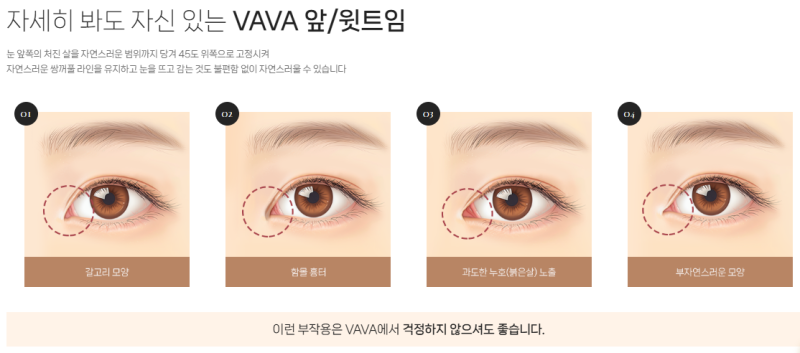
Since epicanthoplasty and lateral canthoplasty improve different areas,
both surgeries may be considered together depending on the eye condition.
For example, if there is a severe epicanthal fold and the skin at the inner corner is also covered,
epicanthoplasty alone may not provide sufficient desired change.
In such cases, after comprehensively analyzing the current eye structure and skin condition,
combining epicanthoplasty and lateral canthoplasty may be considered to create a more natural and refreshing eye shape.
If you're concerned about scars
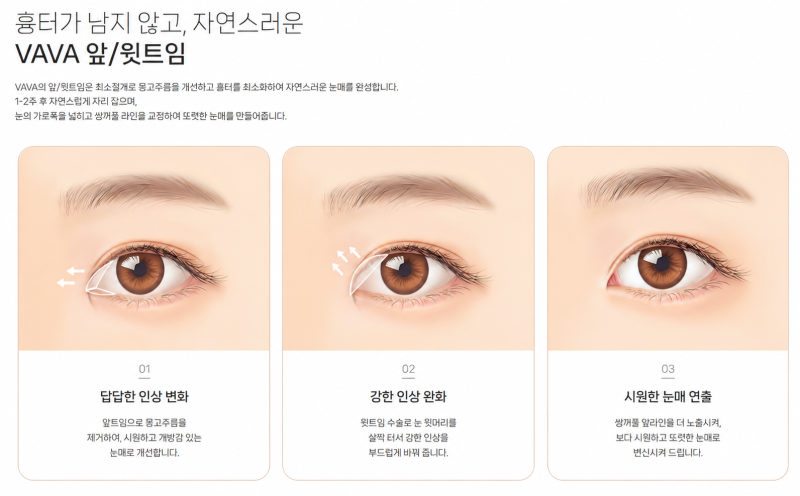
One of the most common concerns for those considering epicanthoplasty and lateral canthoplasty
is scarring.
Recently, surgeries are performed with minimal incision and meticulous suturing
to reduce scars and aim for natural results.
In particular, a design that considers an individual's epicanthal fold and skin characteristics
can significantly influence the natural outcome after surgery.
Things to check before Epicanthoplasty/Lateral Canthoplasty
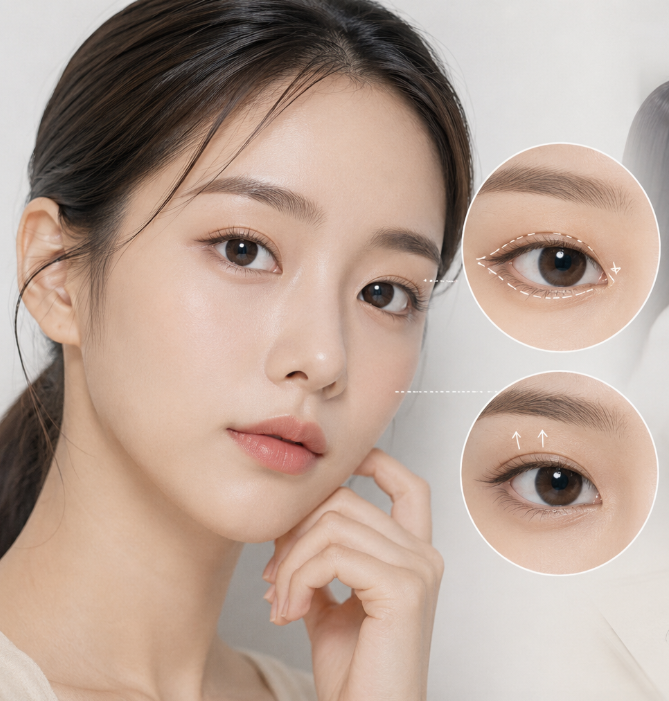
Epicanthoplasty and lateral canthoplasty are not simply surgeries to make the eyes bigger,
but eye surgeries that must consider the overall facial proportions and harmony.
In particular, if performed without thoroughly checking the distance between the eyes, the degree of the epicanthal fold,
the shape of the inner corner of the eye, and skin characteristics,
the result may differ from the desired image.
Recently, rather than overly aggressive methods,
there is a preference for naturally improving the eyes while enhancing the advantages of the existing eye shape.
Important aspects during consultation
During epicanthoplasty and lateral canthoplasty consultations,
• Degree of epicanthal fold
• Horizontal length of the eye
• Distance between the eyebrows
• Double eyelid line
• Skin characteristics
• Overall facial proportions
are comprehensively checked.
At Baba Plastic Surgery,
we analyze an individual's eye structure and desired eye shape,
and prioritize customized designs that naturally harmonize with the face
rather than excessive opening.
Conclusion

Epicanthoplasty and lateral canthoplasty are not simply surgeries to make the eyes bigger,
but a process of creating a more balanced eye shape
by considering the current eye structure, epicanthal fold, and double eyelid line together.
Since the same method does not apply to everyone,
it is important to accurately analyze the current eye condition
and find the appropriate surgical direction for oneself.
If you are concerned about stuffy eyes or epicanthal folds,
it can be helpful to determine which method, epicanthoplasty or lateral canthoplasty, is suitable through sufficient consultation.