2026-09-03
Under-eye Fat Repositioning vs. Lower Blepharoplasty: What's the Difference? Criteria for Sagging & Dark Circles, and How to Choose
Learn the differences between under-eye fat repositioning and lower blepharoplasty. This guide explains which procedure is best for improving under-eye bags, dark circles, and sagging skin, helping you choose based on your specific concerns.
※ This article is written for the purpose of providing medical information.
It is not subject to deliberation under Article 56, Paragraph 2 and Article 57 of the Medical Act,
and is not an advertisement unrelated to the content of the deliberation.
Under-eye fat repositioning vs. lower blepharoplasty: What's the difference and which is better?
Hello,
I am Dr. Park Jung-geun,
Director of Faceplus Plastic Surgery Clinic.

Many people who often hear that they look tired
start to worry about issues with their lower eyelids.
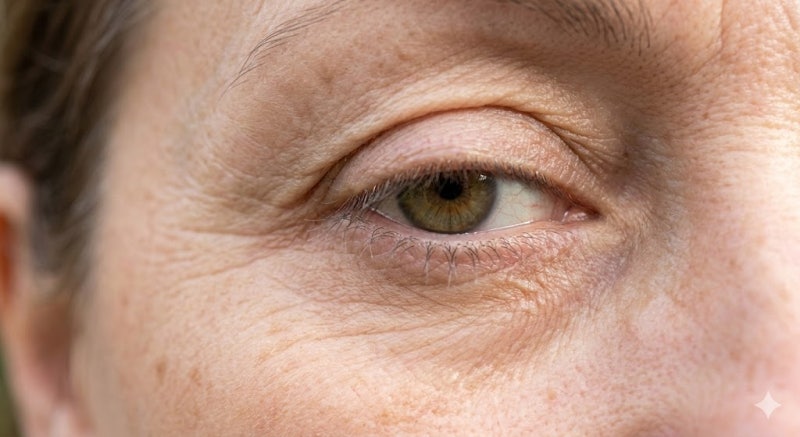
Looking in the mirror, the area below the eyes might appear bulging
or dark like a shadow,
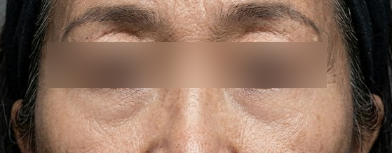
and some people even notice a combination of fine lines and a sagging appearance.
At this point, the most frequently compared methods are
under-eye fat repositioning vs. lower blepharoplasty.
Since these two methods have different goals and approaches,
the choice can vary depending on how one assesses their current condition.

This is because the plan changes depending on whether one simply wants to address the puffiness
or also wants to address sagging tissue.
When bulging volume and dark circles are the main concern
The reason the under-eye area appears bulging or shadowed
is often due to internal volume pushing forward.
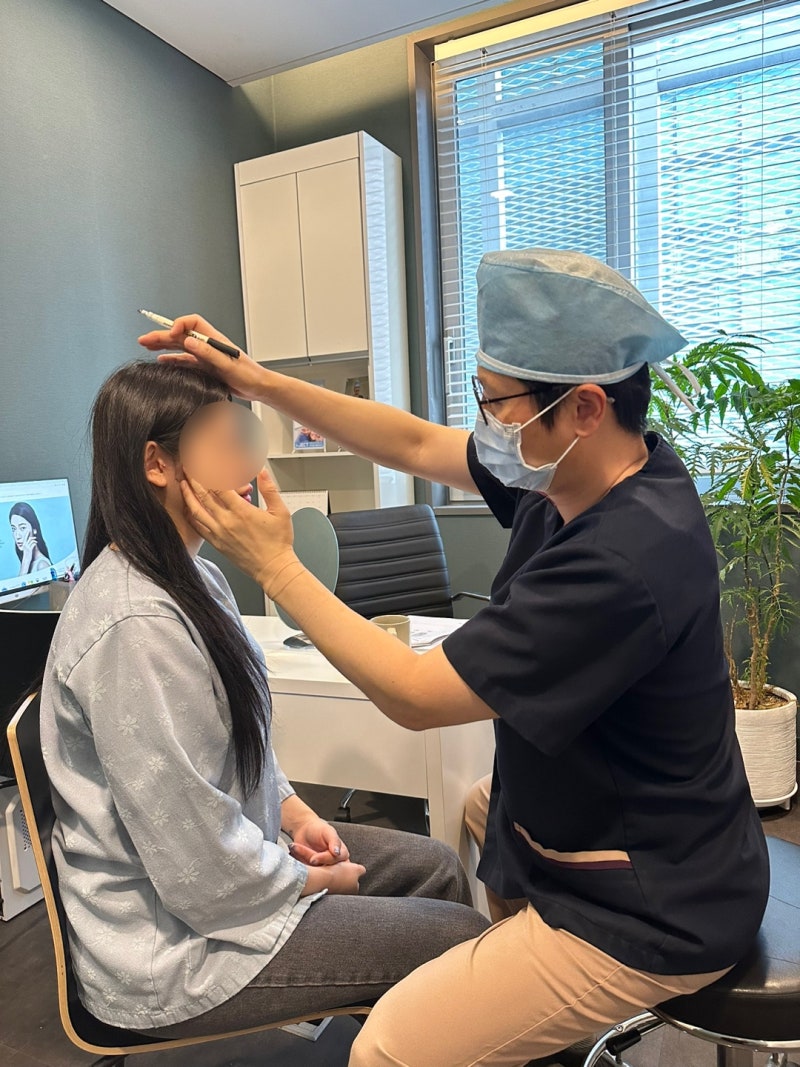
In such cases, instead of simply removing the protruding part, repositioning is used
to move the fat and spread it evenly.
By flattening the protruding area and evenly repositioning it into the sunken areas,
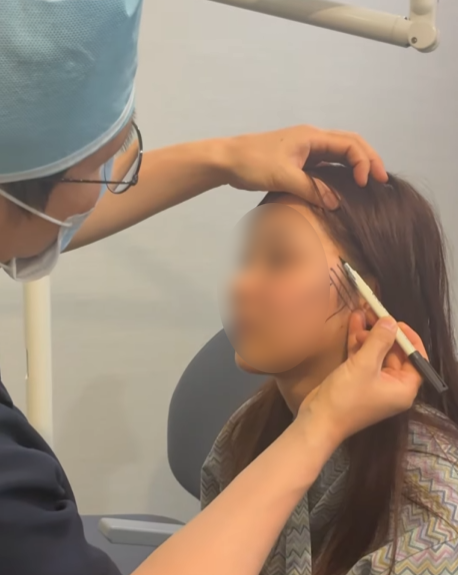
the boundaries are often softened, and the dark impression is reduced.
Especially if elasticity is relatively maintained, a method that primarily addresses the internal structure
without significantly touching the outer skin may be suitable.
In these cases, the excision of sagging tissue is not necessary,
so the recovery burden is relatively low.
When sagging tissue and fine wrinkles are present together
Conversely, if not only the under-eye area is bulging but also the outer tissue is sagging,
the approach changes.
In this situation, lower blepharoplasty is considered.
This method proceeds by simultaneously addressing internal volume
and adjusting the sagging tissue.
This is because its purpose includes not only resolving the puffiness
but also improving outer skin elasticity and fine lines.

As one ages, if the elasticity of the lower eyelid decreases, the surface may fold or sag.
In such cases, simply addressing the internal structure may not provide the desired change.
Therefore, a method that plans for both internal volume correction and outer skin refinement simultaneously is sometimes chosen.
What criteria should be used for selection?
The most important criterion when deciding between the two methods
is the condition of the under-eye area.

The approach differs depending on whether puffiness or sagging is the primary concern.
If the volume is pushed forward, improvement can often be achieved with fat repositioning alone.
If the outer tissue is also sagging, lower blepharoplasty is considered.

Another important factor is the elasticity of the under-eye area.
If elasticity is sufficient, natural results can be achieved with internal correction alone,
but if elasticity is diminished, outer adjustment may be necessary.
Ultimately, what's important is not choosing based solely on the name,
but accurately assessing the current condition.
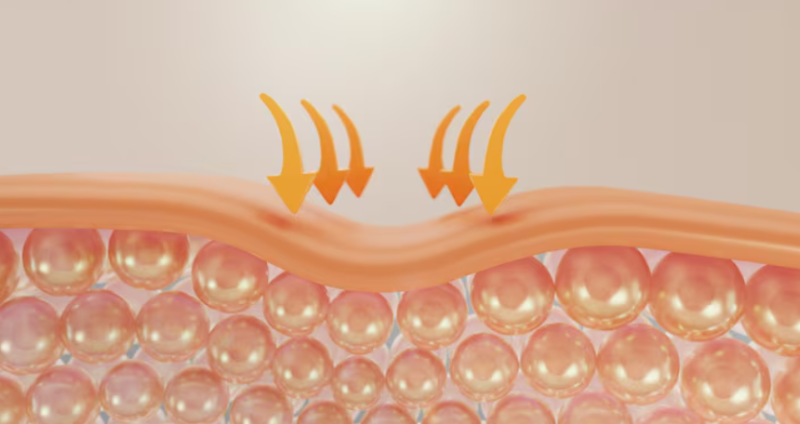
This is because the plan changes depending on the ratio of puffiness, shadows, and sagging.
Approaching with these criteria in mind can help find a direction to refine one's appearance without excessive changes.
-Operating Hours-
Weekdays 9:00 ~ 18:00 Saturdays 9:00 ~ 16:00 Public Holidays / Sundays Regular closure |
-Contact Us-
Faceplus Plastic Surgery Clinic | ||
Consultation Phone: 02-541-8500 Inquiries: KakaoTalk Inquiry |
-Directions-
Under-eye fat repositioning vs. lower blepharoplasty
Frequently Asked Questions
What is the biggest difference between under-eye fat repositioning and lower blepharoplasty?
The biggest difference lies in their improvement goals and approaches. Under-eye fat repositioning primarily aims to improve internal volume puffiness and dark circles, while lower blepharoplasty aims to improve not only internal volume but also sagging skin and fine wrinkles.
In what cases is under-eye fat repositioning suitable?
Under-eye fat repositioning is suitable for cases where the under-eye area is puffy or shadowed, leading to dark circles. It can be considered especially when skin elasticity is relatively maintained, and one wishes to flatten the area by repositioning internal fat volume.
When should lower blepharoplasty be considered?
Lower blepharoplasty should be considered when the under-eye area is not only puffy but also has sagging outer skin accompanied by fine wrinkles. It is effective for simultaneously improving internal volume and sagging tissue when under-eye elasticity has decreased significantly with age.
How can I tell which of the two procedures to choose?
The most important criterion for choosing between the two procedures is the current condition of your under-eye area. The appropriate procedure varies depending on whether puffiness or sagging is the main problem, and the degree of skin elasticity, thus requiring an accurate diagnosis.
Is the recovery burden for under-eye fat repositioning less than for lower blepharoplasty?
Yes, generally, under-eye fat repositioning has a relatively lower recovery burden than lower blepharoplasty. This is because fat repositioning does not require the excision of sagging tissue, and primarily addresses the internal structure without significantly disturbing the outer skin.