2026-07-14
Undereye Fat Repositioning: If You Don't Know This, It'll Be Obvious | Criteria for Successful Undereye Fat Repositioning
Learn about undereye fat repositioning, a procedure that smooths the undereye area by redistributing fat. Discover how personalized approaches and careful design lead to natural results, and understand if it's the right solution for your undereye concerns.


Lately, many people notice that their undereyes look dark and saggy when they look in the mirror, even if they don't feel particularly tired.
This is often not just a matter of condition, but rather a combination of protruding or sunken undereye fat and reduced skin elasticity.
The undereye area, in particular, is the thinnest and most sensitive part of the face,
so even small changes can significantly alter one's overall impression.
For this reason, there's been growing interest in undereye fat repositioning as a more fundamental way to address undereye concerns.
What is Undereye Fat Repositioning?
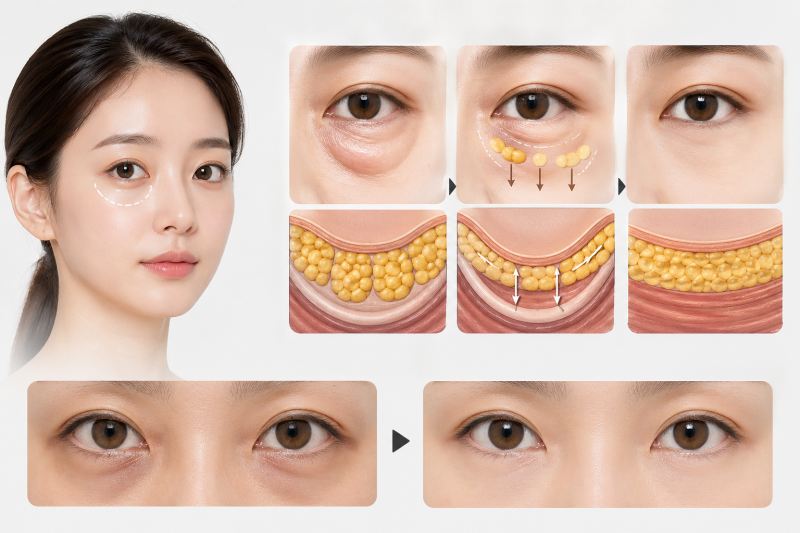
Undereye fat repositioning is not merely a surgery to remove protruding fat, but rather a method of evenly redistributing unevenly distributed fat to smooth out the undereye area.
Unlike traditional fat-removal-centric surgeries, it can improve uneven lines while maintaining undereye volume, leading to more natural results.
Additionally, the reduction of undereye shadows often results in a lightening effect on dark circles.
Customized Approach Based on Individual Eye Condition
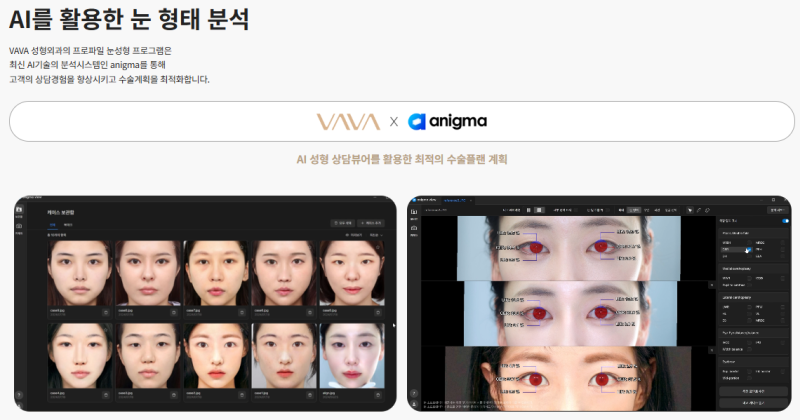
The degree of undereye fat protrusion, the depth of hollowing, and skin elasticity vary greatly from person to person, making it difficult to apply the same method to everyone.
The completeness of the surgical result can differ significantly depending on how much fat is moved and where it is repositioned.
At Baba Plastic Surgery, we consider these factors, meticulously analyze each individual's eye condition, and formulate a surgical plan that aims for balanced improvement rather than excessive correction.
The Difference in Design That Determines Natural Results
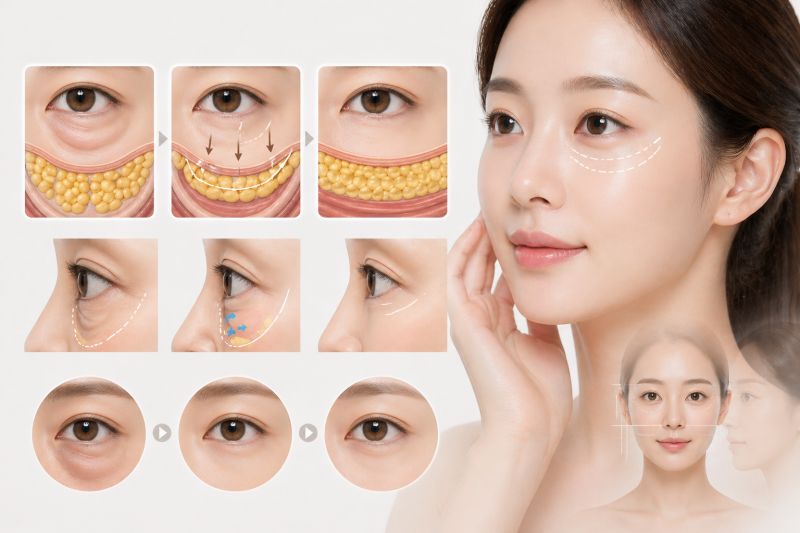
Undereye fat repositioning goes beyond simply flattening bulging areas; the process of smoothly connecting the entire undereye line is crucial.
If fat is excessively removed or corrected too aggressively, it can lead to more prominent hollowing or an unnatural appearance.
Therefore, maintaining appropriate volume while creating a naturally flowing line is the key point.
When the design considers the overall facial proportions and harmony, you can expect stable and unburdening results even after surgery.
Cases Where Undereye Fat Repositioning is Suitable
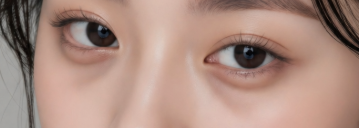
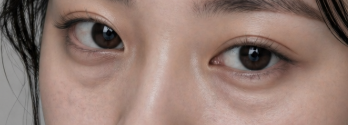
Undereye fat repositioning is more suitable for cases accompanied by fat protrusion or hollowing rather than just dark circles.
If the undereyes bulge, creating shadows,
If the tear troughs are deep, giving a strong tired impression,
If the undereyes appear uneven and are difficult to cover with makeup,
In such conditions, a surgical approach that allows for structural improvement can be more helpful than simple procedures.
Recovery Process and Precautions
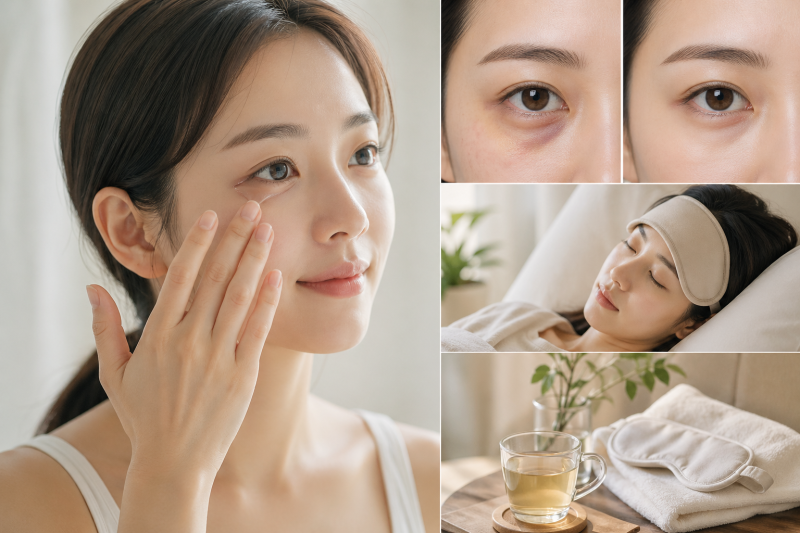
As undereye fat repositioning is performed on a relatively delicate area,
management during the recovery process is important.
Initially, swelling or bruising may occur, but it generally resolves naturally over time.
Additionally, maintaining lifestyle habits that minimize irritation around the eyes, along with sufficient rest, can positively impact recovery.
Importance of Thorough Consultation and Accurate Diagnosis

Since the appropriate method for undereye fat repositioning varies depending on an individual's eye structure and condition,
accurate diagnosis and thorough consultation are paramount.
Baba Plastic Surgery values providing appropriate improvement directions based on individual eye conditions without unnecessary overtreatment,
and conducts customized consultations for natural results.
Conclusion

Undereye fat repositioning is a method that can help transform one's impression to be brighter and more vibrant, beyond simple aesthetic improvement.
However, as results can vary depending on individual conditions, a careful decision-making process through thorough consultation and comparison is necessary.
If you desire a natural and balanced change, we recommend accurately assessing your current condition through a professional consultation.