2026-09-03
Nonhyeon-dong Plastic Surgery: What to Know Before Thread Lift – Bruising, Swelling, Recovery, and Longevity
Learn about bruising, swelling, recovery time, and longevity of thread lifts. This article from Faceplus Clinic in Nonhyeon-dong addresses common concerns and explains why individual factors and proper technique are crucial for optimal results.

※ This article is intended to provide medical information.
It is not subject to deliberation under Article 56, Paragraph 2 and Article 57 of the Medical Act, and we inform you that it is not an advertising post unrelated to the content of the deliberation.
Hello,
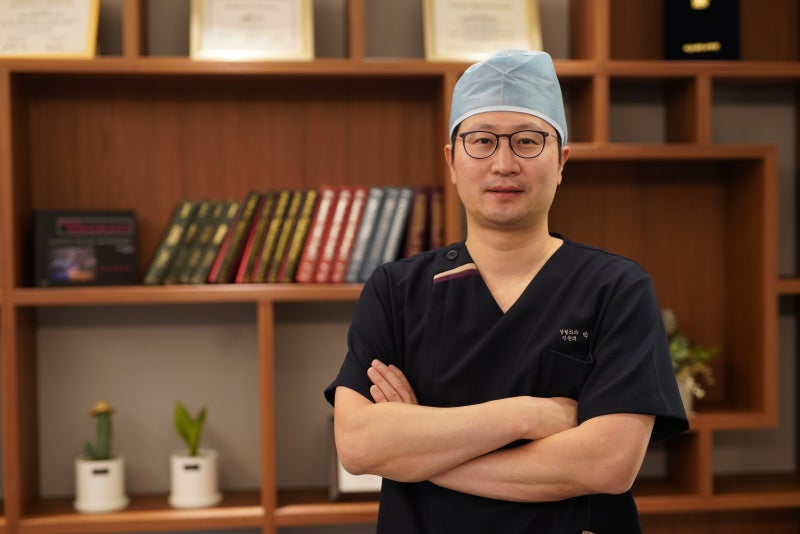
I am Dr. Park Jeong-geun,
Director of Faceplus Clinic, Nonhyeon-dong Plastic Surgery.
When consulting with those considering a thread lift,
the most common questions are generally
similar.
They concern the extent of the effect, how long bruising or swelling lasts, whether the recovery period will interfere with daily life,
and what duration of results can be expected.
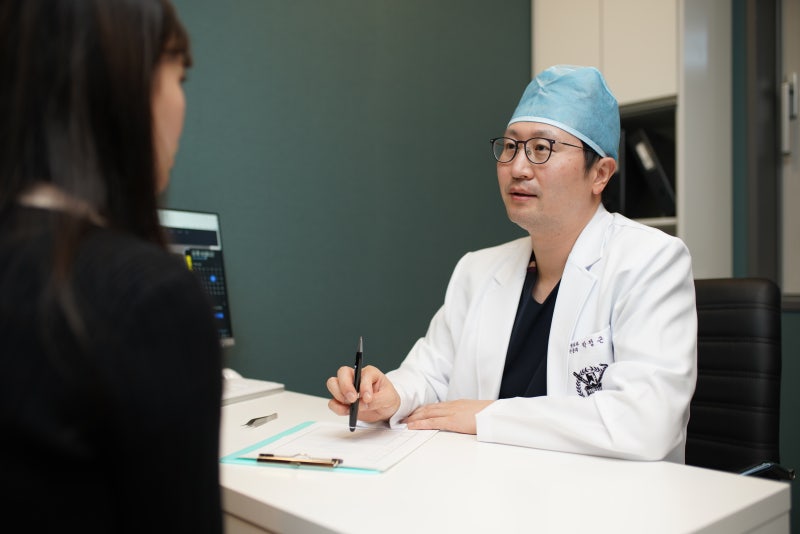
As it is a process that changes the face, concerns about the before and after process naturally
follow, as much as the results themselves.
Especially for those with work schedules or social patterns that involve frequent meetings,
interest in how the recovery process unfolds
tends to be greater.
Therefore, I tend to explain what changes can occur afterward, rather than just the procedure itself.
Why do bruising and swelling occur, and how long do they last?
Bruising and swelling are among the most commonly mentioned
reactions in thread lifts.
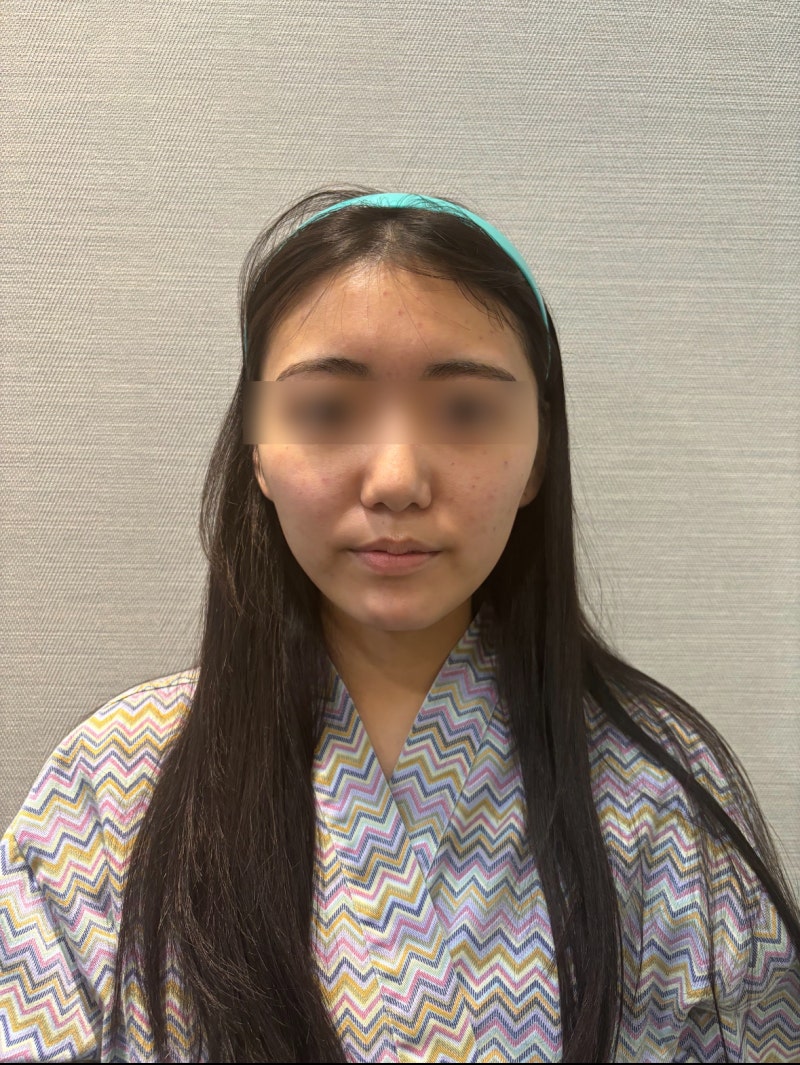
These are changes that can occur as the thread passes through,
and there is significant individual variation depending on the facial structure, blood vessel distribution, and skin thickness.
However, when the depth and direction of application are designed to match the facial condition,
the burden tends to pass relatively stably.
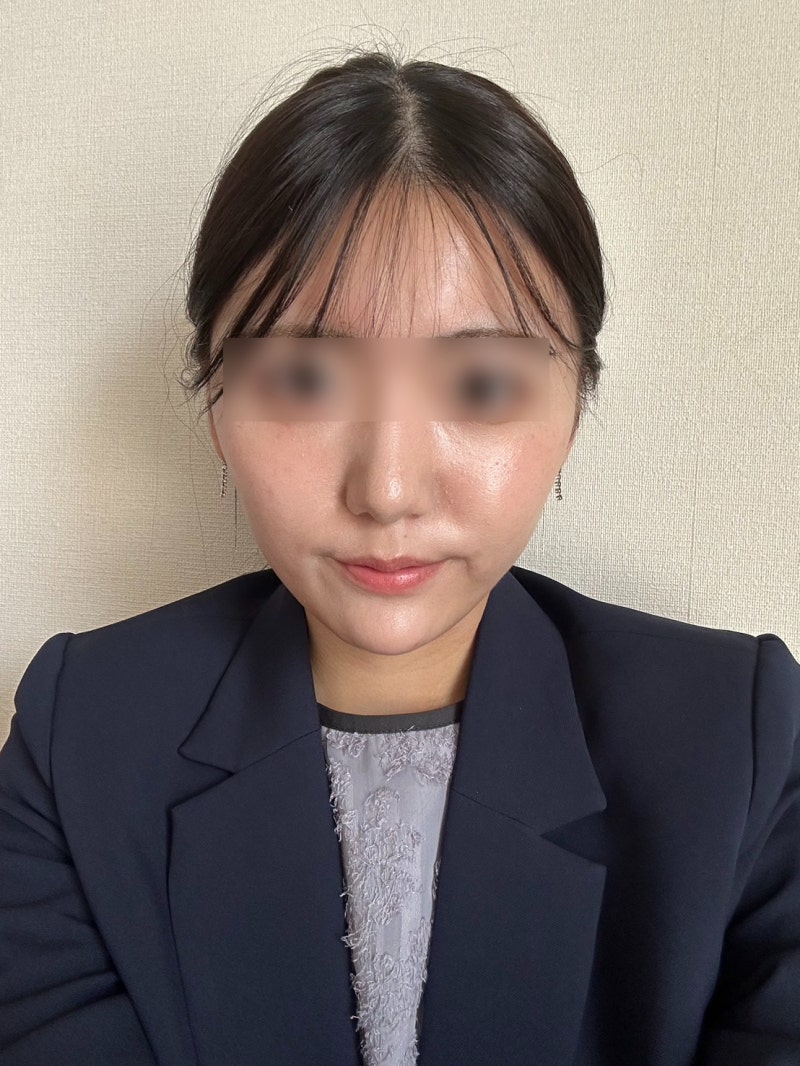
Conversely, if approached in the same way without facial analysis,
unnecessary irritation can occur,
and bruising or swelling may last longer.
It is appropriate to understand these reactions as changes that can occur during the process, rather than indicating a problem.
They usually subside gradually over time, and there is no need to conclude the results based solely on the initial reactions.
Reasons for a relatively fast recovery period
While it is difficult to simply state the recovery period as a few days,
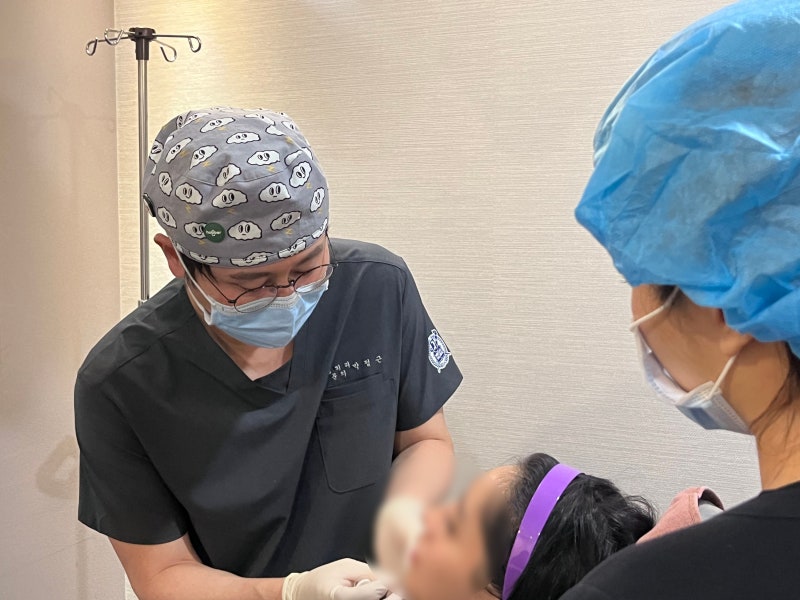
thread lifts often allow for relatively faster recovery compared to other lifting methods.
This is because it is possible to minimize thread insertion in the facial area and apply it only to the necessary locations.
This approach also helps reduce the possibility of side effects such as dimples, where the surface appears uneven.
If the procedure time is not long and proceeds in a way that does not cause excessive tissue damage,
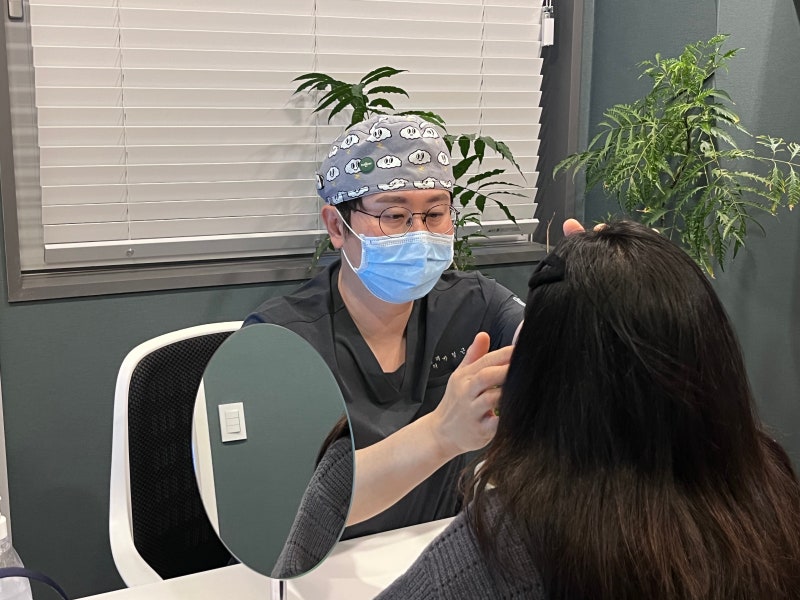
returning to daily life is also relatively smooth.
Ultimately, the difference in recovery speed often depends more on how the threads are applied to the face,
rather than the name or number of threads.
Longevity and naturalness are connected
The longevity and effect should also be viewed as an overall trend rather than just numbers.
The perceived duration can vary depending on how much the face is used, the skin condition,
and how the recovery process unfolded.
It is not that pulling strongly makes it last longer; rather,
when the face is naturally contoured within its overall balance,
the results often remain stable.
Side effects such as dimples or an overly altered expression are also usually not a problem with the thread itself,

but mostly stem from the criteria for interpreting the face and the design method.
If you understand that lifting is not simply about pulling up, but rather an approach closer to how to organize the face's tension,
unnecessary anxiety during the selection process can be reduced.
Thank you for reading to the end.
-Operating Hours-
Weekdays 9:00 ~ 18:00 Saturdays 9:00 ~ 16:00 Public Holidays / Sundays Regular closure |
-Contact Us-
Nonhyeon-dong Plastic Surgery Faceplus Clinic | ||
Consultation Phone: 02-541-8500 Inquiries: KakaoTalk Inquiry |
-Directions-
Frequently Asked Questions
How long do bruising and swelling last after a thread lift?
Bruising and swelling after a thread lift vary depending on the individual's facial structure, blood vessel distribution, and skin thickness. However, these are mostly natural reactions that gradually subside over time, so it is better to observe the progress rather than concluding the results based solely on the initial reactions.
What is the recovery period for a thread lift?
Thread lifts often allow for a relatively faster recovery compared to other lifting methods. This is because when threads are minimally inserted only in necessary locations, tissue damage is reduced, making it easier to return to daily life.
How long do thread lift results last?
The longevity of thread lift results varies individually depending on several factors such as facial usage, skin condition, and the recovery process. Results often remain stable when the face is naturally contoured within its overall balance, rather than just pulled tightly.
Can side effects like dimples occur after a thread lift?
Yes, there is a possibility of side effects such as dimples, where the surface appears uneven. However, this is usually not a problem with the thread itself, but mostly stems from approaching in the same way without facial analysis, or from the criteria for interpreting the face and the design method.
Are there ways to reduce bruising and swelling during a thread lift procedure?
Yes, to reduce bruising and swelling, it is important to design the depth and direction of application to match the facial condition, considering the facial structure, blood vessel distribution, and skin thickness. Approaching in the same way without facial analysis can cause unnecessary irritation.