2026-09-03
Malar Thread Lift: Understanding the Structure That Makes Cheekbones Appear Larger
This article explains why cheekbones might appear prominent, often due to soft tissue displacement rather than bone size, and details the principles and design criteria for an effective malar thread lift.
※ This article is intended to provide medical information.
It is not subject to review under Article 56, Paragraph 2 and Article 57 of the Medical Service Act,
and is not an advertisement unrelated to review content.
Hello,
I am Dr. Park Jung-geun,
Director of Face Plus Plastic Surgery Clinic.

Many people simply think that prominent cheekbones
should be reduced or pushed in.
However, in actual clinical practice, it is far more common for them to appear larger
due to changes in the position of surrounding tissues,
rather than the bone itself being large.

Therefore, what is important is not how to reduce the cheekbones,
but to first understand why they appear that way.
If this point is missed, even the same thread lift can lead to vastly
different results.
Table of Contents | ||
1. Difference between actually large cheekbones and cheekbones that appear large 2. Facial structural changes that emphasize cheekbones 3. Core principle of malar thread lift 4. Design criteria that create a difference in results |
1. Difference between actually large cheekbones and cheekbones that appear large
When looking closely at a face where cheekbones appear large, it is often not simply
due to developed bone,
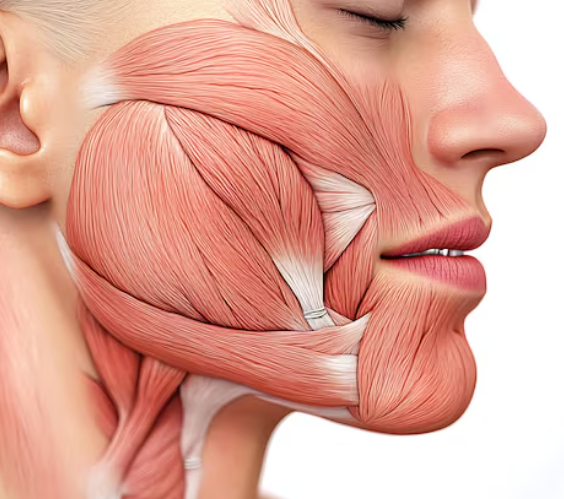
but rather due to an imbalance between the midface and lower face,
which relatively emphasizes them.
In particular, if the volume below the cheekbones is sunken, or conversely,
if sagging tissue accumulates in the jawline area,
attention naturally focuses there.
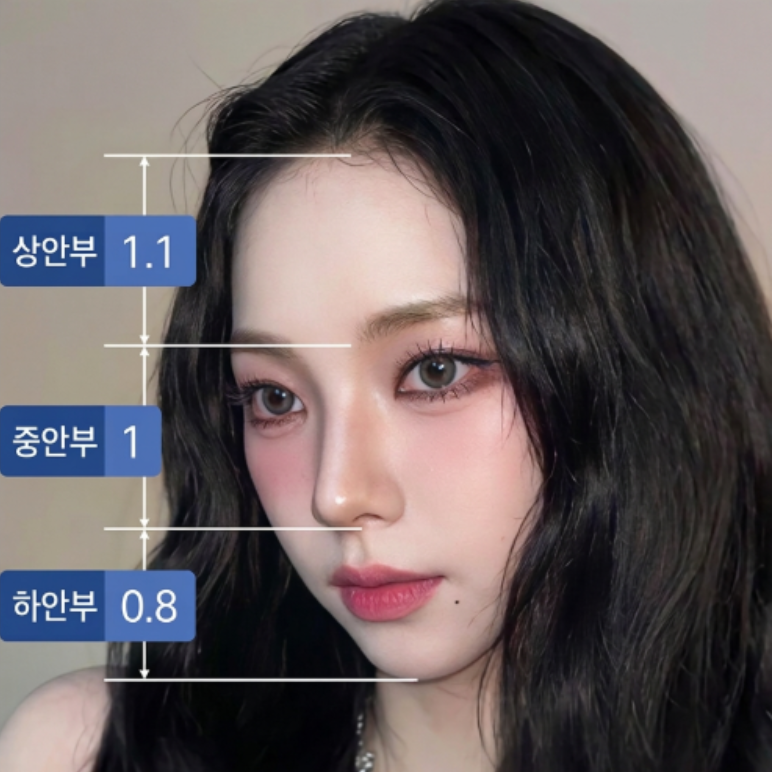
At this point, the cheekbones appear more prominent
than they actually are.
Therefore, even without directly reducing the cheekbones,
adjusting the surrounding structures can sufficiently change the impression.
2. Facial structural changes that emphasize cheekbones
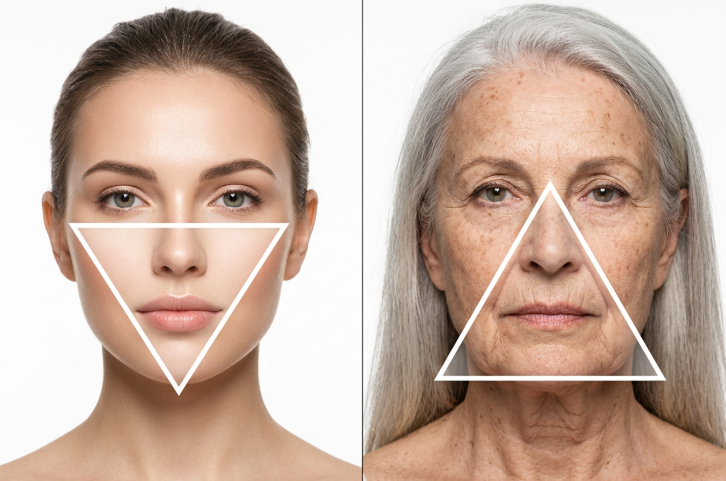
Over time, the face changes as upper volume decreases
and tissue shifts downwards.
When the midface sinks and the lower face widens, the center of the face
moves downwards, relatively emphasizing
the cheekbones more.
This change is the result of the collapse of the upper-centric
structure seen in youthful faces,
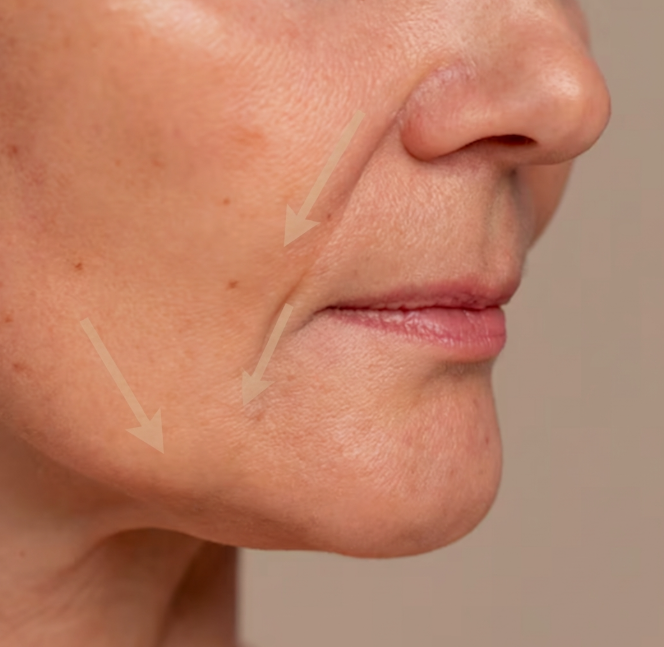
and is difficult to explain as a simple fat or bone problem.
In fact, as sagging tissue moves downwards, the jawline thickens
and the face appears longer.
3. Core principle of malar thread lift
A malar thread lift is not a method of directly reducing the cheekbones,
but rather a method of moving the soft tissues located below that area
upwards.
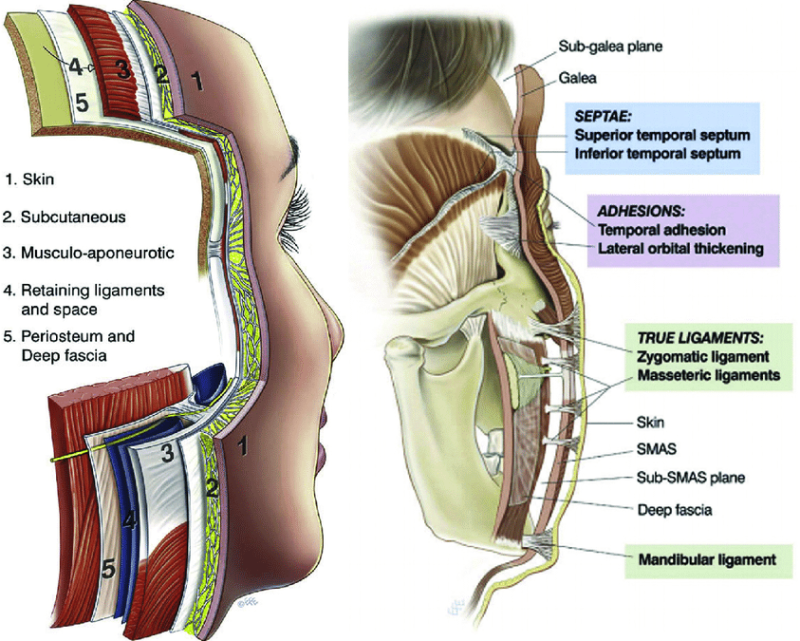
What is important here is not just pulling the skin,
but changing the position of the tissue using structures like the SMAS layer.
As the midface lifts, the sunken areas are filled, and the volume that was concentrated downwards is dispersed,
making the cheekbones appear less prominent.
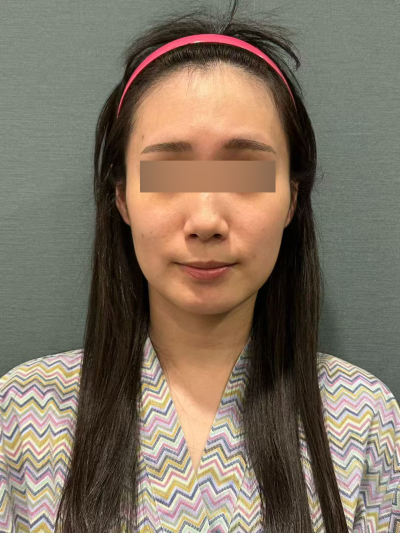
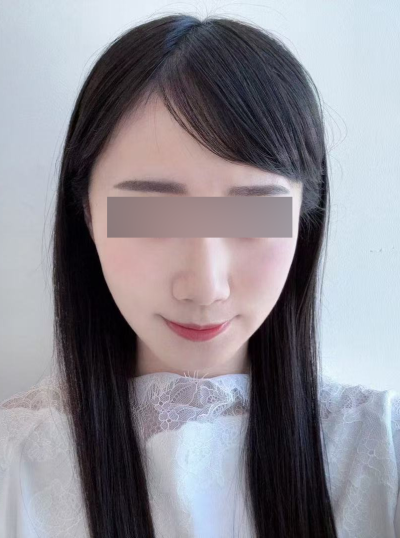
In other words, the cheekbones do not actually become smaller; rather, the overall facial
proportions change, altering the impression.
4. Design criteria that create a difference in results
The factor that determines the results is
the design, not simply the number or type of threads.

The fixation point should be placed in the temporal region, where there is less movement,
to ensure stable maintenance.
The pulling direction should not simply be upwards,
but set diagonally from bottom to top.
This allows the midface volume to be naturally restored.

Furthermore, the face has various layers and spaces,
and there is a structure called the ‘gliding plane’ where tissues move along these spaces.
This procedure is not about directly reducing the area,
but about rebalancing the entire face.
-Operating Hours-
Weekdays 9:00 ~ 18:00 Saturdays 9:00 ~ 16:00 Public Holidays / Sundays Regular closure |
-Contact Us-
Face Plus Plastic Surgery Clinic | ||
Consultation Phone: 02-541-8500 Inquiries: KakaoTalk Inquiry |
-Directions-
Malar Thread Lift Method
Frequently Asked Questions
What is the main reason why cheekbones appear large?
The main reason why cheekbones appear large is often due to changes in the position of surrounding tissues rather than the bone itself being large. In particular, when the balance between the midface and lower face is disrupted, or when the volume below the cheekbones is sunken and sagging tissue moves downwards, the cheekbones can appear more prominent.
Is a malar thread lift a procedure that directly reduces the cheekbone?
No, a malar thread lift is not a method that directly reduces the cheekbone. This procedure repositions the soft tissues located below the cheekbones upwards to adjust the overall facial proportions and improve the impression.
What is the core principle of a malar thread lift?
The core principle of a malar thread lift is not just pulling the skin, but changing the position of the soft tissues using structures like the SMAS layer. As the midface lifts, sunken areas are filled, and the volume that was concentrated downwards is dispersed, making the cheekbones appear less prominent.
What design criteria are important for a malar thread lift?
Important design criteria for a malar thread lift are the fixation point and the pulling direction. The fixation point should be in the temporal region, where there is less movement, for stability. The pulling direction should not simply be upwards, but set diagonally from bottom to top, to naturally restore midface volume.
In what cases can a malar thread lift be considered?
A malar thread lift can be considered in cases where cheekbones appear prominent due to changes in surrounding tissues rather than the cheekbone itself. It can be effective when the center of the face has shifted downwards or the midface is sunken, emphasizing the cheekbones.