2026-09-03
Gangnam Facelift Specialist: Explaining SMAS Layer Dissection and Lifting Range
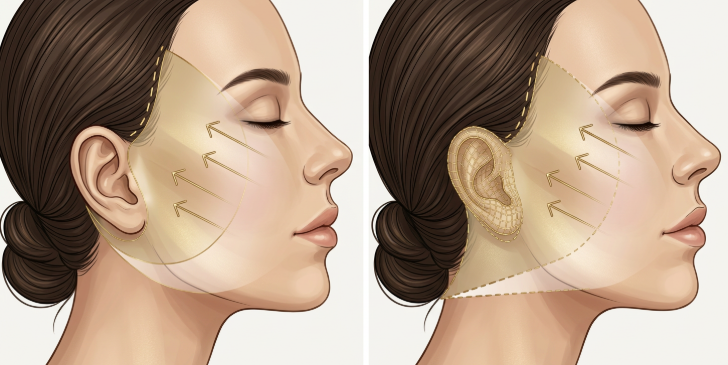
This article explains SMAS layer dissection and lifting range in facelift surgery, especially for those seeking a specialist in Gangnam. It covers what a facelift is, why SMAS is important, the significance of lifting range, and key consultation points.
※ This article is intended to provide medical information.
It is not subject to review under Article 56, Paragraph 2 and Article 57 of the Medical Act,
and is not an advertisement unrelated to review content.
Hello,
I am Dr. Park Jung-geun,
Director of Faceplus Plastic Surgery Clinic.

‘My jawline looks collapsed.’
‘My sagging cheeks make my impression look different.’
With such concerns,
some people look into facelift surgery.

Especially when searching for a good facelift clinic in Gangnam,
many encounter discussions about SMAS layer dissection
or the lifting range.
Today, we will explore
the SMAS layer and lifting range
discussed in facelifts.
Table of Contents | ||
1. What is Facelift Surgery? 2. Why SMAS Layer Dissection is Discussed 3. Why Lifting Range is Important 4. Factors to Check During Consultation |
1. What is Facelift Surgery?
Facelift surgery is a procedure discussed as a way to improve
sagging skin and soft tissues by pulling them upwards.
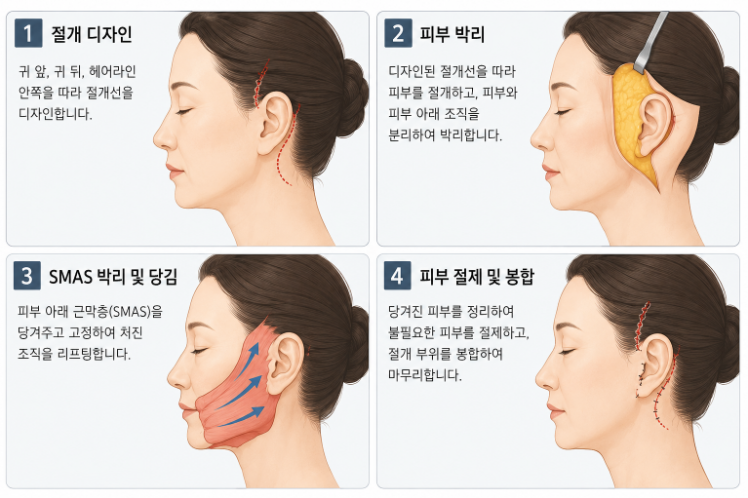
Rather than simply pulling the skin,
it often involves considering the overall facial balance and direction of sagging.
In particular, if there are changes in the midface or jawline,
and cheek sagging,
some consider a facelift.
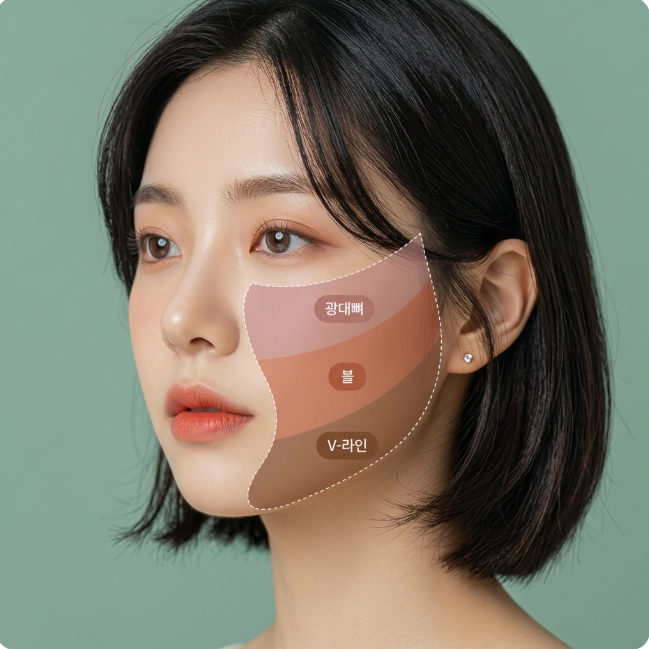
However, since each person's skin elasticity, fat volume,
and degree of sagging differ,
the surgical approach can also vary.
Therefore, the process of thoroughly assessing the current facial condition
and planning the lifting direction and range
is considered important.
2. Why SMAS Layer Dissection is Discussed
In facelift surgery, the SMAS layer,
located beneath the skin, is often mentioned.

The SMAS layer is a connective tissue between the skin and muscles,
and is one of the structures discussed in relation to facial sagging.
In some facelifts, rather than just pulling the skin,
this layer is also considered when planning the lifting direction.
Especially when facial sagging has progressed,
if only the skin is pulled too tightly,
an unnatural look can result, so
the overall direction of tissue movement is also considered.
However, the dissection range and approach
may vary depending on the current facial condition and degree of sagging.
3. Why Lifting Range is Important
The direction of change in a facelift
can vary depending on which area is primarily lifted.
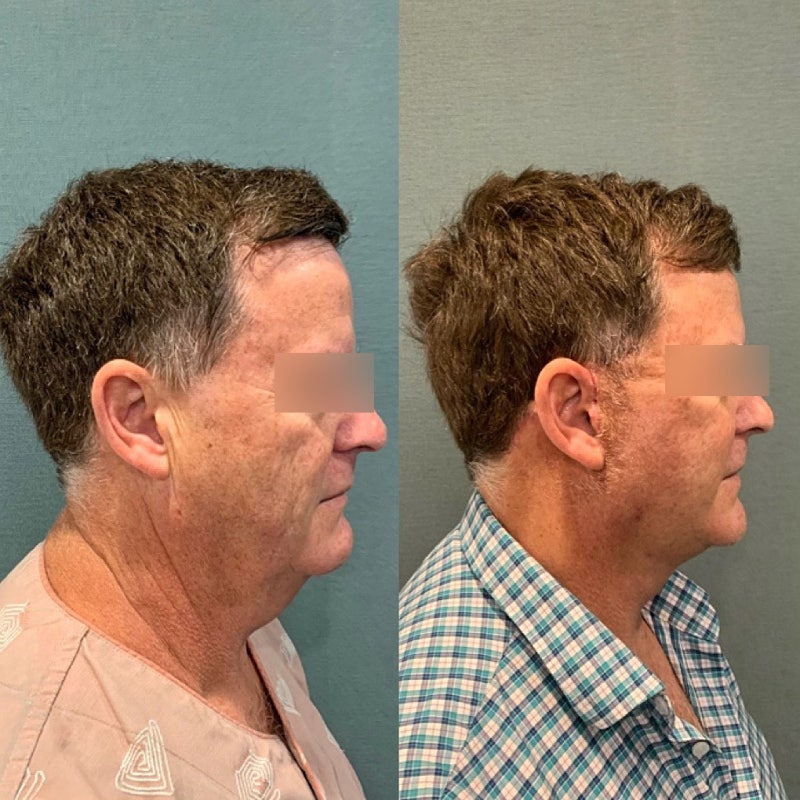
For example, the approach may differ for cases requiring jawline-focused changes
versus those needing midface sagging improvement.
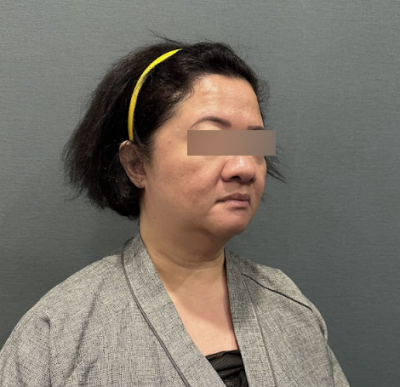
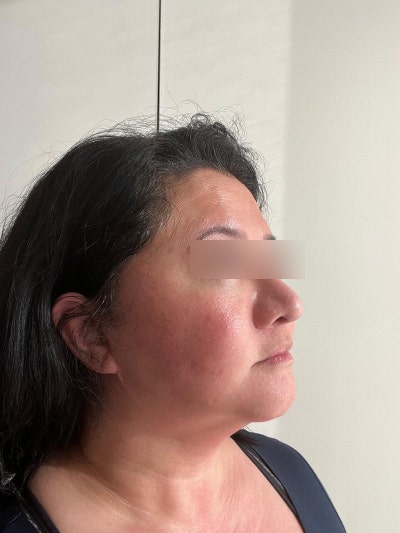
Also, some people
experience both cheek sagging and jawline changes,
leading them to consider overall facial contour improvement.
In such cases, the surgical plan can vary
depending on how wide the lifting range is considered.
4. Factors to Check During Consultation
When looking for a good facelift clinic in Gangnam,
it's important to check if the approach is suitable for your current facial condition,
rather than just looking at costs or reviews.
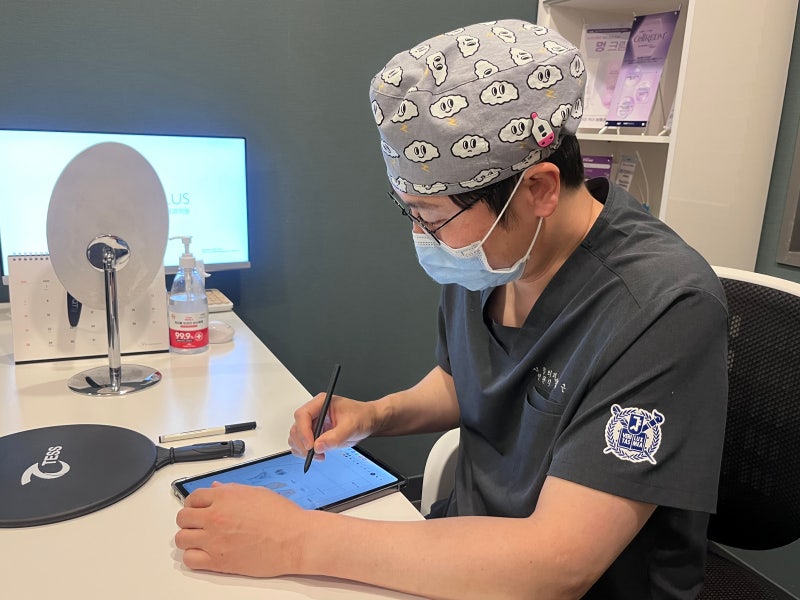
For example,
|
are often checked together.
It's also important to confirm if the approach considers harmony with facial expressions,
rather than just pulling too tightly.
Since each individual has different skin conditions and
sagging patterns for facelift surgery,
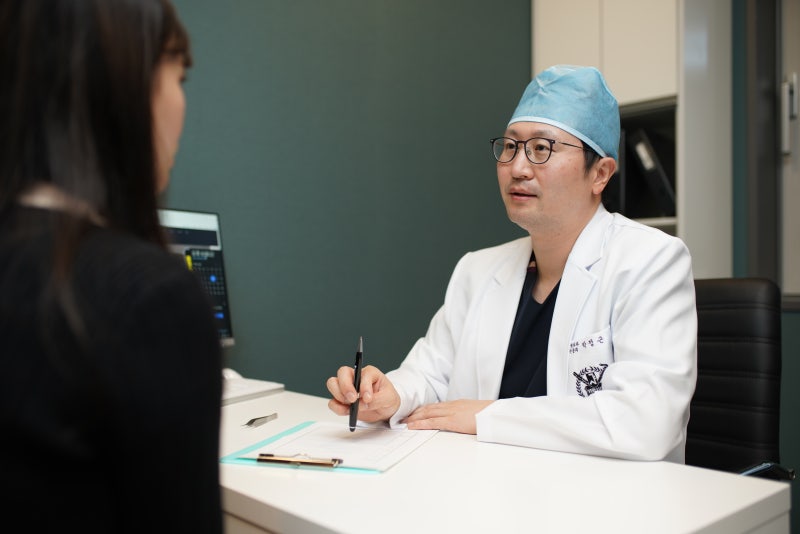
a thorough consultation to
determine the appropriate direction for your current facial condition
can be helpful.
-Operating Hours-
Weekdays 9:00 ~ 18:00 Saturdays 9:00 ~ 16:00 Public Holidays / Sundays Regular closure |
-Contact Us-
Faceplus Plastic Surgery Clinic | ||
Consultation Phone: 02-541-8500 Inquiries: KakaoTalk Inquiry |
-Directions-
Gangnam Facelift Specialist
Frequently Asked Questions
In what cases is facelift surgery considered?
Facelift surgery may be considered when the jawline appears collapsed or when sagging cheeks alter one's impression. Many individuals explore it for improvement, especially when experiencing changes in the midface, jawline, and cheek sagging simultaneously.
Why is SMAS layer dissection important in facelift surgery?
Yes, SMAS layer dissection is considered important in facelift surgery. The SMAS layer connects the skin and muscles, and simply pulling the skin alone can lead to an unnatural appearance. Therefore, this layer is considered to plan the overall direction of tissue movement.
How is the lifting range for facelift surgery determined?
The lifting range can vary depending on an individual's facial condition and the degree of sagging. The approach differs based on the improvement goal, such as focusing on jawline changes or improving midface sagging, and is planned through consultation.
What should be checked during a facelift surgery consultation?
During consultation, it's advisable to check the degree of sagging, lifting range, incision direction, recovery process, and post-operative care system. Furthermore, it's important to confirm that the approach considers harmony with facial expressions rather than just pulling too tightly.
Can facelift surgery plans differ for each individual?
Yes, they can. Since each person's skin elasticity, fat volume, and degree of sagging differ, the surgical approach can also vary. The process of thoroughly assessing the current facial condition and planning the lifting direction and range is considered important.