2026-09-03
Gangnam Plastic Surgery Clinic: Is it Always Better to Pull More for a Facelift? Misconceptions About Naturalness
This article addresses common misconceptions about facelifts, particularly the idea that pulling more leads to better results. It emphasizes the importance of a balanced approach for natural-looking outcomes and discusses recovery.

※ This article is for the purpose of providing medical information.
It is not subject to deliberation under Article 56, Paragraph 2 and Article 57 of the Medical Service Act, and we inform you that it is not an advertisement unrelated to the content of the deliberation.
Hello,
I am Dr. Park Jung-geun,
Director of Faceplus Plastic Surgery Clinic.
I'm looking for a famous plastic surgery clinic in Gangnam. I want to look younger, but I'm hesitant because I'm worried that pulling too much might change my impression.
This is a common concern we hear in consultations.
When thinking about a facelift, the change should be clear,
but at the same time,
the worry of ‘will it be too obvious?’ often follows.
Especially when encountering cases of aggressive pulling during searches,

the perception that more pulling leads to better results
can naturally form.
However, the face is not simply a structure where wrinkles are smoothed out,
so misunderstandings often begin at this point.
Misconceptions created by the idea that ‘more pulling is better’
If a facelift is understood only as a strong lift,
expectations for the results will also be skewed.
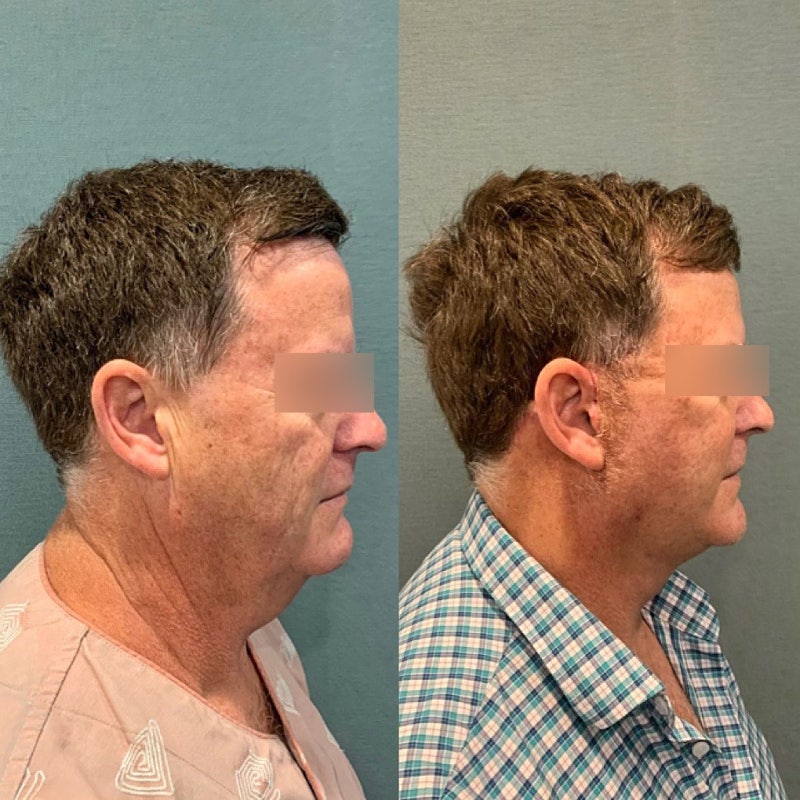
In cases where excessiveness is involved, the change may feel significant initially,
but over time, expressions can look unnatural or
the facial contours can appear artificial in many cases.

Because each area of the face has different movements, thickness, and aging patterns,
if force is concentrated in one direction,
the balance can easily be disrupted.
In such cases, some people feel that swelling or bruising lasts longer during the recovery process.
If only the magnitude of change is used as a criterion, the results may be perceived
in a different direction than the youthful image expected.
What's important in the surgical process is ‘how far,’ not ‘how much’
A facelift is not a method that simply pulls the skin upwards.
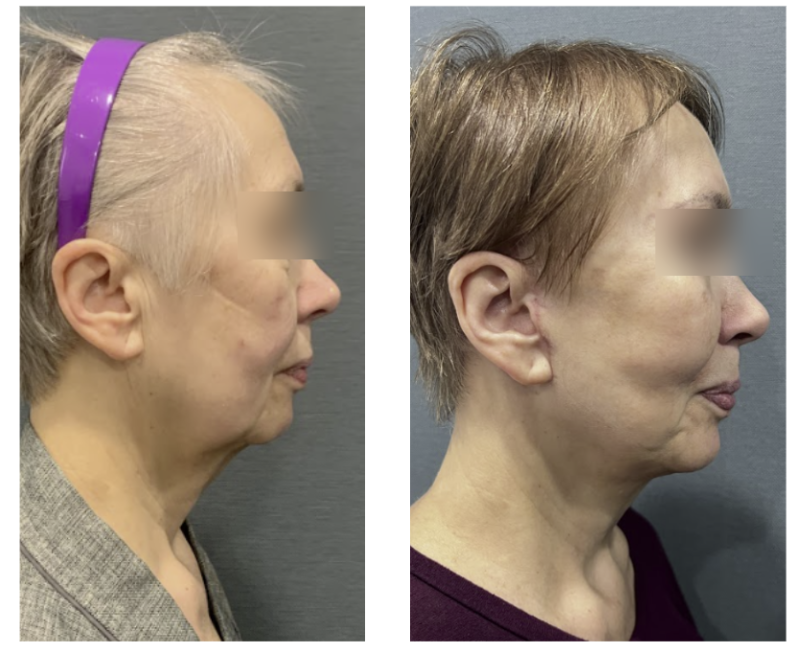
After the incision, the soft tissue and muscle layers beneath the skin are addressed together,
and in this process, how much of which layer is refined
determines the impression of the result.
If only the skin is pulled strongly, expressions can look stiff, and conversely, if the amount of muscle and skin is not sufficiently considered,
sagging may be felt again.
Furthermore, if the direction of pulling does not match the facial structure, situations can arise where an artificial impression
is revealed first, rather than a younger appearance.
Therefore, in the surgical process, it is important to determine ‘how far’ to refine, considering the skin, muscles, and the amount of remaining tissue together, rather than ‘how strongly’.
Frequently asked questions about recovery and returning to daily life
One of the most common questions after a facelift is,
“When can I return to daily life?”
Generally, for a few days immediately after surgery, the face may feel stiff or noticeable swelling may occur, and bruising can also appear depending on individual differences.
However, in cases where excessive pulling was not involved,
the swelling often gradually subsides over time.
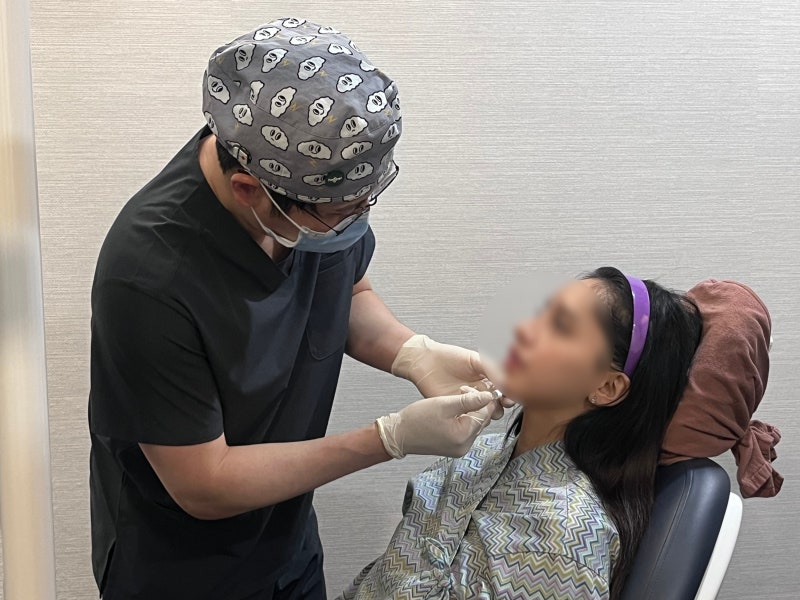
Usually, significant swelling noticeably
decreases within 1 to 2 weeks,
and thereafter, the face gradually changes in a way that refines its contours.
Pain is mostly at a level that can be controlled with painkillers,
but if discomfort persists longer than expected or if only one side is particularly uncomfortable,
it is necessary to recheck the condition.
For a facelift, rather than rapid change, it is more important that the recovery process
proceeds naturally and the results stabilize.
-Operating Hours-
Weekdays 9:00 ~ 18:00 Saturdays 9:00 ~ 16:00 Public Holidays / Sundays Regular Day Off |
-Contact Us-
Faceplus Plastic Surgery Clinic | ||
Consultation Phone: 02-541-8500 Inquiries: KakaoTalk Inquiry |
-Directions-
Frequently Asked Questions
Is it better to pull more during a facelift?
No. Simply pulling more during a facelift does not guarantee better results. While excessive pulling may initially create a significant change, over time, expressions can become unnatural or facial contours may appear artificial. The face has different movements and aging patterns in various areas, so balance must be considered.
Which layers are addressed during a facelift?
A facelift is not just about pulling the skin upwards. After the incision, the soft tissue and muscle layers beneath the skin are addressed together. In this process, how much of which layer is refined is a crucial factor that determines the impression of the surgical outcome.
When can I return to daily life after a facelift?
Typically, for a few days immediately after surgery, the face may feel stiff, and swelling or bruising may occur. Significant swelling generally decreases noticeably within 1 to 2 weeks, and thereafter, the face gradually changes in a way that refines its contours. Pain is mostly at a level that can be controlled with painkillers.
What are the side effects of an excessive facelift?
An excessive facelift can lead to unnatural expressions or artificial-looking facial contours. Additionally, the balance between different facial areas can easily be disrupted, and some may feel that swelling or bruising persists longer during the recovery process. Situations can also arise where an artificial impression is revealed first, rather than a younger appearance.
What is more important than ‘how much’ to pull in a facelift?
In a facelift, it is more important to determine ‘how far’ to refine rather than ‘how strongly’ to pull. To achieve natural and stable results, the direction and extent of pulling should be decided by considering the skin, muscles, and the amount of remaining tissue together, in accordance with the facial structure.