2026-06-12
Breast Augmentation Post-Surgery Precautions for Preventing Side Effects – Be Thorough!
Learn essential post-operative care for breast augmentation to prevent complications and ensure satisfactory results, focusing on the critical first month.
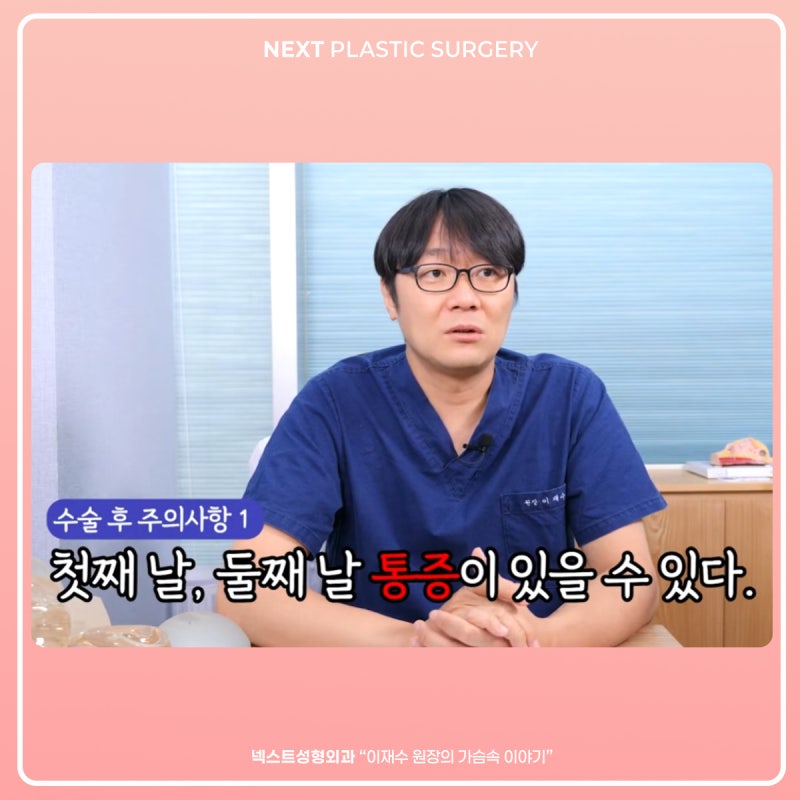
How you manage your breast augmentation during the immediate post-operative period and the first month can help prevent side effects and lead to satisfactory surgical results.
Shall we explore the 🚨key precautions after breast surgery🚨 with Next Plastic Surgery?
1. Breathing and Early Pain Management
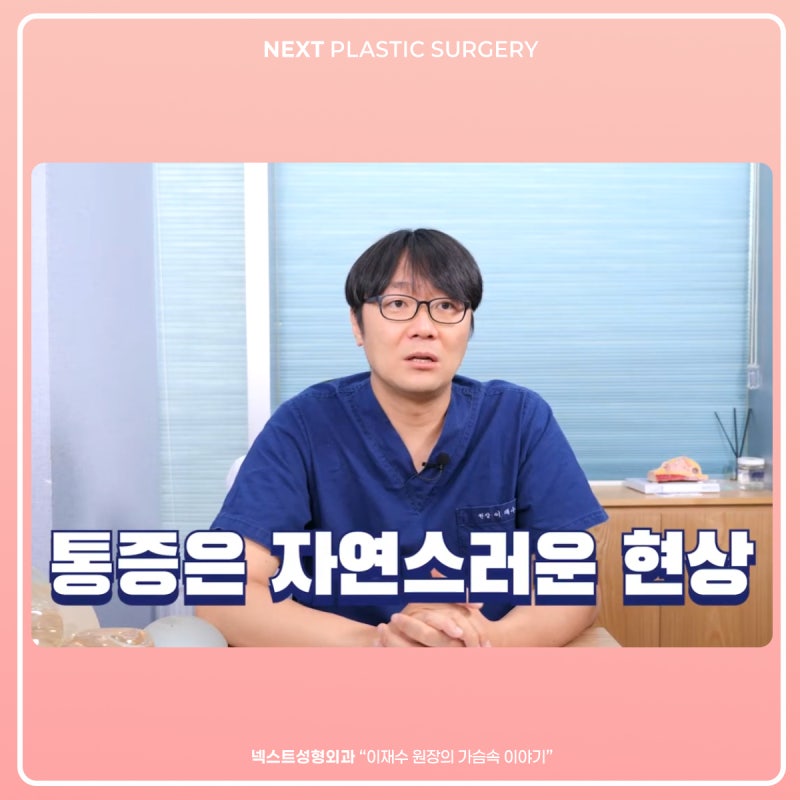
Pain Acceptance: It is natural to experience pain on the day of surgery and the following day.
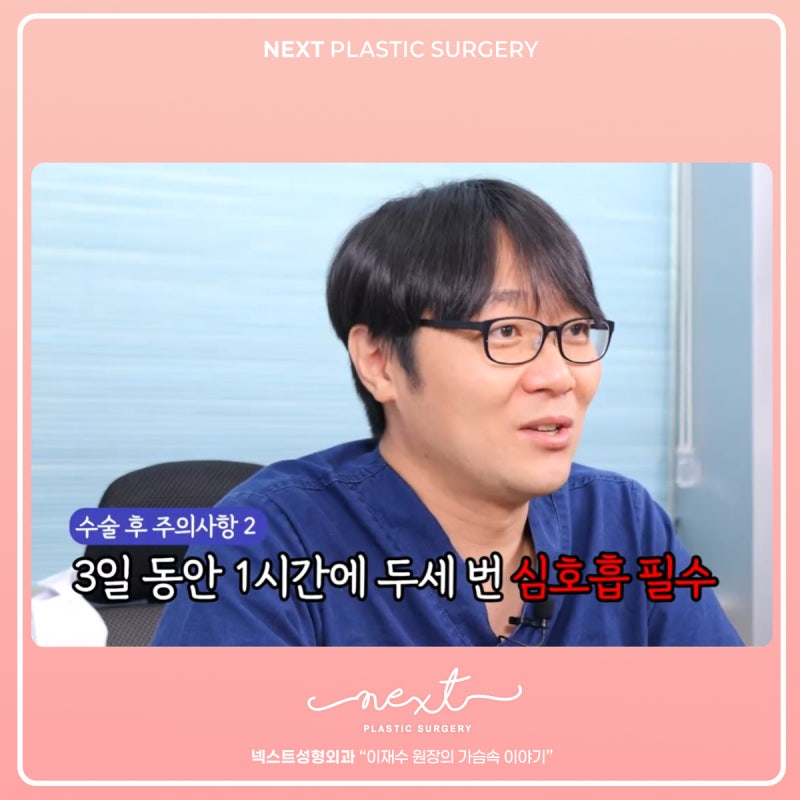
Continuous Deep Breathing: After general anesthesia, if the alveoli do not fully expand, phlegm can accumulate, leading to pneumonia (a cause of fever). It is essential to perform deep breathing exercises 2-3 times an hour for 3 days after surgery, inhaling deeply and exhaling slowly.
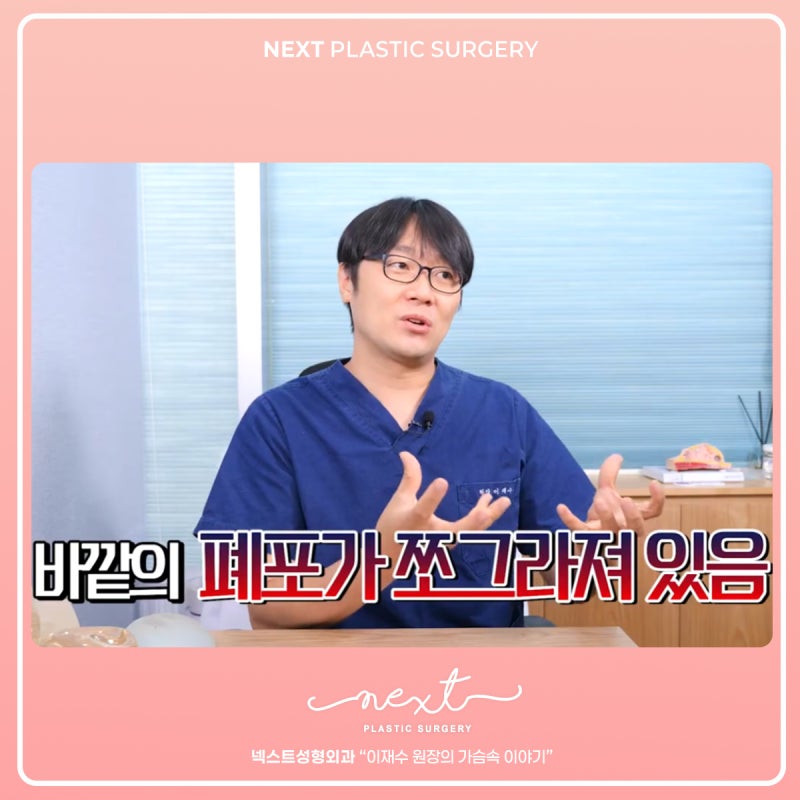
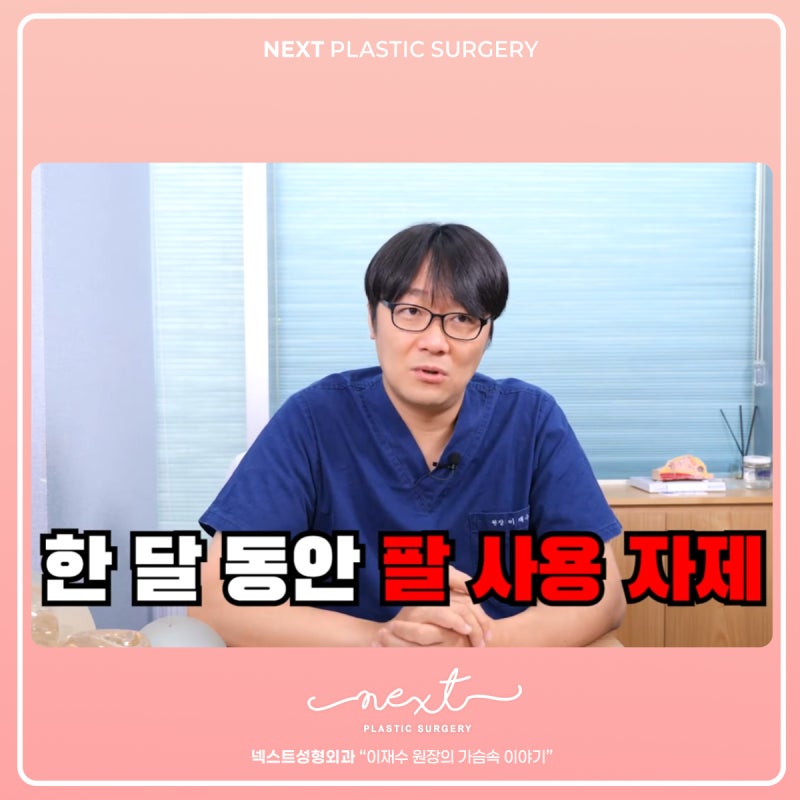
2. Arm Usage and Activity Restrictions (Observe for one month)
No Reaching Overhead: Do not raise your arms more than 100-110 degrees. This can stretch and tear blood vessels or cause bleeding.
No Lifting Heavy Objects: Excessive use of arm muscles greatly increases the risk of bleeding. Do not lift heavy items, such as a pack of bottled water (6 x 2L bottles), by yourself; seek assistance from others.

3. Implant Stabilization Management
Wearing the Upper Band: This must be worn for one month while lying down to prevent the implants from shifting upwards. It is not necessary to wear it when standing, and it should only apply slight pressure, enough to prevent movement when lying down.
Understanding Initial Position: Immediately after surgery, the implants may appear somewhat high and artificial. Rest assured that due to gravity, they will gradually settle downwards over time, achieving a natural shape after about 6 months.
4. Sleep and Body Changes 💤
Sleeping in the Correct Posture: For one month, you must sleep on your back and not turn onto your side. Pressure on one side can tear blood vessels. (Since you wear the upper band, there’s no need to sleep sitting up).
Abdominal Bloating (Swelling Migration): After surgery, accumulated fluid and swelling in the body may move towards the abdomen, causing a feeling of bloating and indigestion for more than ten days, but this is a normal part of the recovery process.
5. Medication and Prohibited Foods (Observe for one month) 💊
Essential Antibiotic Intake: Breast surgery has a relatively high chance of inflammation, so you must take your prescribed medication three times a day. It is recommended to take it after meals to reduce gastrointestinal discomfort.
Avoid Blood Circulation Supplements: Discontinue consumption of Omega-3, onion juice, red ginseng, and other supplements that promote blood circulation and could cause bleeding, for one month.
6. Lifestyle Restrictions
🚭 No Smoking (2 months): Smoking dramatically increases the risk of complications such as inflammation or capsular contracture (hardening of the breast), so absolute abstinence from smoking is required for at least two months.
❌ No Alcohol (1 month): Alcohol also lowers immunity, increasing the risk of inflammation, so abstain from alcohol for one month.
7. Clothing and Showering Methods
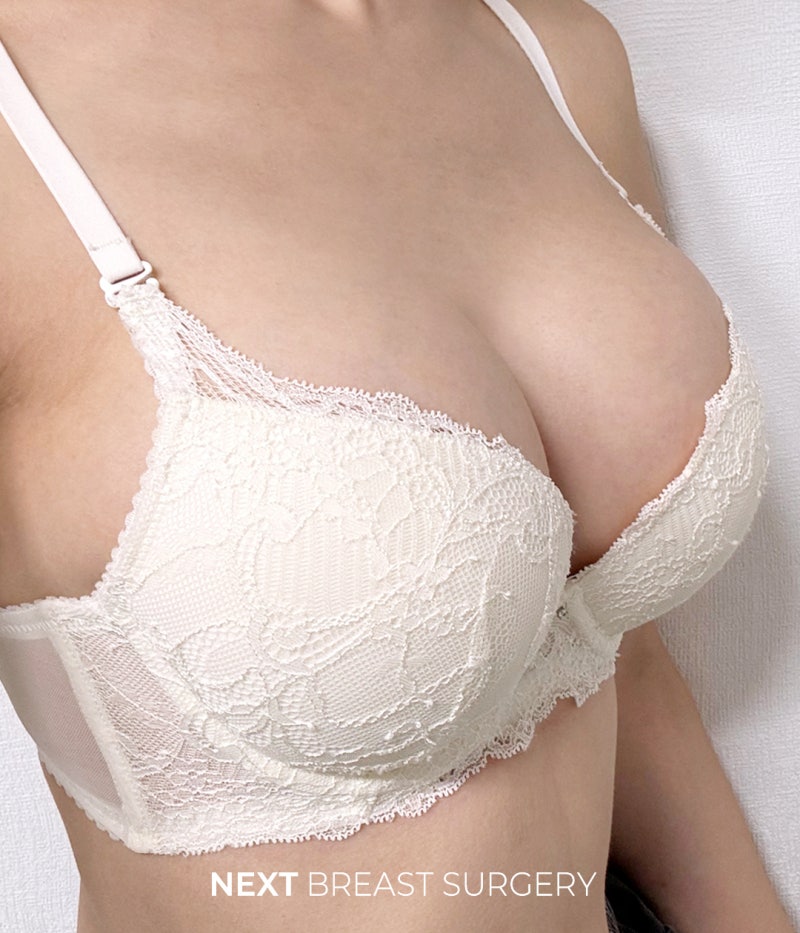
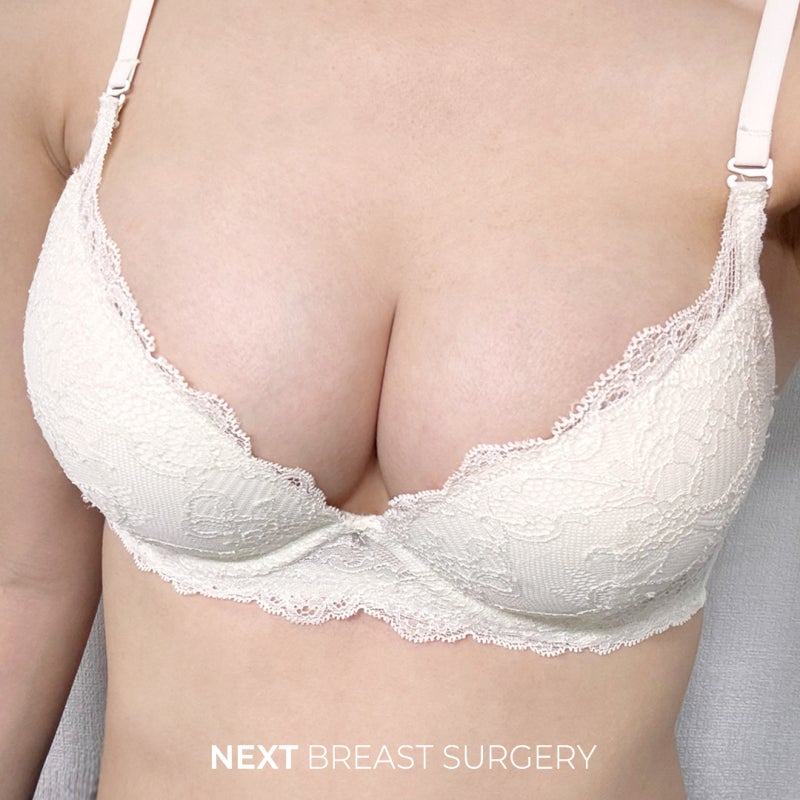
👚 Wear Loose Underwear: Tight underwear can cause pain and compress the breasts, leading to bleeding, so wear loose-fitting garments.
🛁 Careful Showering: The breast area can be gently washed with regular soap. The inframammary incision site is covered with waterproof tape, so it's fine for water to touch it, but care must be taken to prevent water from entering the armpit incision site.
Detailed guidelines may vary depending on each patient's surgical method (incision site, implant type, etc.). If you experience any unusual symptoms or have questions,
please consult directly with the specialist who performed your surgery.
* This article is intended to help Next Plastic Surgery patients understand
medical information and is written in compliance with
Article 56, Paragraph 1 of the Medical Service Act.
After breast augmentation procedures or surgery, individual conditions may vary in terms of
swelling, recovery period, bleeding, etc.,
and precautions against side effects are necessary.
Therefore, we recommend planning your surgery after thorough consultation with a specialist
and making a careful decision.